 Your credit score plays a major role in the mortgage process. It helps determine whether you qualify for a loan, how much you can borrow, and the interest rate you may receive. Even small changes to your credit profile can impact your long-term cost of homeownership. The good news is that there are clear steps you can take to protect your score and position yourself for better mortgage options.
Pay Every Bill On Time
Payment history is one of the most influential factors in your credit score. Late or missed payments can cause immediate damage and may remain on your credit report for years. Setting up automatic payments or reminders can help ensure every bill is paid on time.
Keep Credit Card Balances Low
Credit utilization refers to how much of your available credit you are using. High balances can negatively impact your score even if payments are made on time. Keeping balances well below your total credit limits shows lenders that you manage credit responsibly.
Avoid Opening New Credit Accounts
Applying for new credit cards or loans can temporarily lower your score due to hard inquiries and changes in account age. If you are planning to apply for a mortgage, it is best to avoid opening new accounts unless absolutely necessary.
Do Not Close Long-Term Credit Accounts
The length of your credit history matters. Closing older accounts can shorten your credit profile and reduce available credit. Even if you no longer use a card often, keeping long-term accounts open can support a stronger score.
Review Your Credit Reports Regularly
Mistakes on credit reports are more common than many people realize. Reviewing your reports allows you to identify errors such as incorrect balances or accounts that do not belong to you. Addressing issues early can prevent unnecessary problems during the mortgage process.
Pause Large Purchases During the Loan Process
Once you begin the mortgage process, financial stability is critical. Large purchases can increase debt or change your credit utilization, which may affect loan approval. Waiting until after closing helps keep everything on track.
Speak With a Mortgage Professional Early
Connecting with a mortgage originator early allows you to understand how your credit profile impacts your options. You can receive guidance on what to improve, what to avoid, and how to prepare for the most competitive rates. Early planning often leads to better outcomes.
Protecting your credit score is not only about qualifying for a mortgage, it is about saving money over time. Strong credit can mean lower monthly payments and greater financial flexibility. With the right habits and guidance, you can take control of your credit and your home buying future.

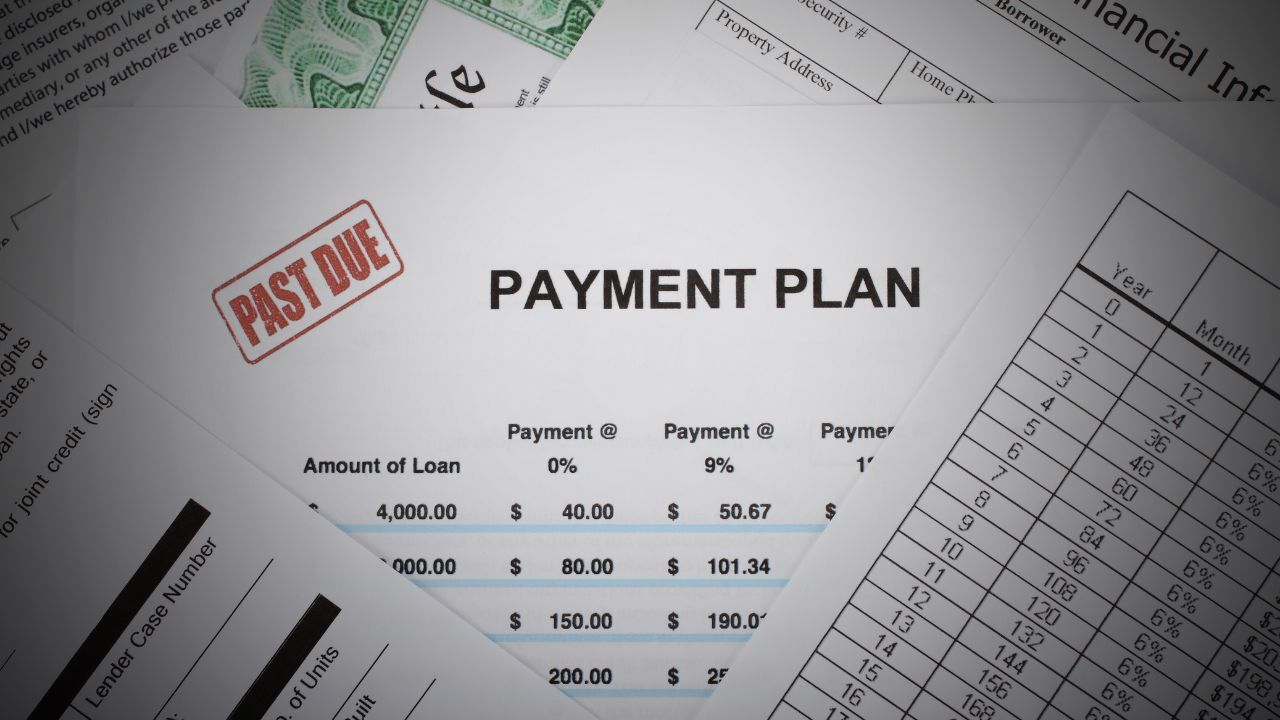 Missing a mortgage payment can feel scary, especially when you are working hard to manage your finances and stay on track. Life happens, and sometimes unexpected situations make it difficult to pay on time. The good news is that one missed payment does not mean you will lose your home. Understanding what happens behind the scenes, what lenders look for, and how quickly you should take action can help you stay calm, fix the issue, and protect your credit.
 When two people in a long-distance relationship decide to finally live in the same city, the excitement is huge, and so are the financial decisions that come with it. Moving from long-distance to local often means navigating new jobs, new routines, and possibly a new home purchase.
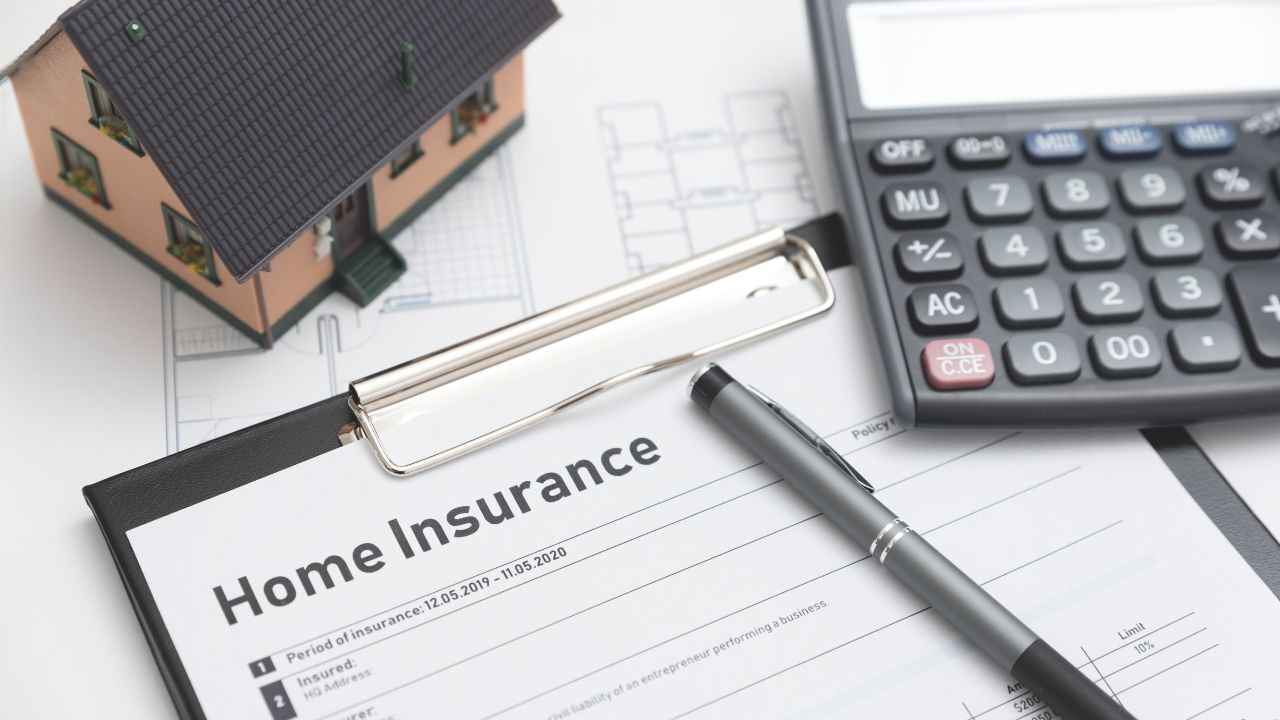 When you buy a home with a mortgage, homeowners’ insurance is not optional, it is required. Lenders need to know the property is protected, and you need the peace of mind that comes with knowing your largest investment is covered. The challenge is that many homebuyers end up paying too much for their policy without even realizing it. With a little preparation, you can avoid overpaying and make sure your insurance matches your true needs rather than one size that fits all approach.
 No deposit mortgage loans can sound appealing to buyers who want to purchase a home without spending years saving for a down payment. While these loans offer clear advantages, they also come with risks and responsibilities that every buyer should consider before moving forward.
 Does your home feel like it’s starting to burst at the seams? Many homeowners across the country can relate to this feeling having bought a home only to run out of space due to a growing family or for other reasons. Let’s take a quick look at a few questions that will help you to determine whether buying a new home or expanding your current home is the best choice when you’re in need of some extra space.
 Many homeowners feel pressure to pay off their mortgage as quickly as possible but faster is not always better. In many real-life situations, directing your money toward other financial steps can offer more growth, more protection, and more flexibility. Understanding when early payoff is helpful and when it is not can give you greater confidence in your long-term plan.
 The end of the year is the perfect time to review your finances and make smart moves that set you up for success. A few focused steps can strengthen your budget, improve your credit, and prepare you for major goals in the coming year.