 The holiday season is a time of joy and celebration, but it can also be a challenging time for your finances, especially if you’re juggling the responsibilities of a mortgage. However, with some thoughtful planning and budgeting, you can ensure that you enjoy the festivities without putting your financial stability at risk. I will provide you with essential tips and strategies to help you manage your mortgage budget during the holiday season.
Create a Holiday Budget
Set a specific budget for your holiday expenses. This budget should encompass everything from gifts and decorations to travel and entertainment. By creating a clear budget, you can ensure that you don’t overspend, keeping your mortgage payments on track.
Prioritize Needs Over Wants
It’s easy to get carried away during the holiday season, but it’s important to prioritize needs over wants. Make a list of your holiday expenses and identify which ones are essential and which ones are optional. Hint: Your mortgage payment should always be at the top of the list.
Set Realistic Expectations
The pressure to create the perfect holiday experience can lead to overspending. Set realistic expectations for your holiday celebrations and remember that meaningful moments don’t have to be expensive.
Take Advantage of Sales and Discounts
The holiday season is known for its numerous sales and discounts. Keep an eye out for deals on gifts and other holiday essentials. This can help you stretch your budget further and make the most of your money.
Consider DIY and Homemade Gifts
One of the best ways to save money during the holidays is by making homemade gifts. Not only do these gifts carry sentimental value, but they can also be more budget-friendly than store-bought items. Get creative and crafty to give your loved ones a meaningful and unique gift.
Monitor Your Spending
As the holiday season progresses, keep a close eye on your spending. Regularly review your budget and track your expenses to ensure you’re staying on track. This will help you make necessary adjustments if needed.
Plan for the Future
Once the holiday season is over, it’s essential to get back on track with your mortgage budget. Review your financial goals and create a plan for the coming year. Consider setting up a dedicated holiday savings fund for the next holiday season so you’re better prepared in advance.
The holiday season should be a time of joy and togetherness, not financial stress. By planning your mortgage budget for the holidays and implementing the strategies outlined, you can enjoy the festivities without jeopardizing your financial stability. Remember that moderation and mindful spending are key to a happy and financially responsible holiday season.
Enjoy it!
 Halloween is a thrilling time of the year, filled with spooky costumes, delicious treats, and endless fun. It is also important to remember that safety should always come first. Whether you’re a parent, homeowner, or someone simply looking out for your community, keeping your family and home safe on Halloween is a top priority. Here are some valuable tips to ensure that the holiday remains full of treats and without any tricks.
 This week’s most significant data offered preliminary numbers for manufacturing and services PMI (Purchasing Managers Index). Both can serve as a forward indicator for the economy while providing insight into the current state of the cost of living for the service industry. While manufacturing met an expected rise for the end of October, services saw a contraction, falling to 46.6 from 49.3. Readings below 50.0 can be a sign of a downturn for the economy, particularly given the time of the year.
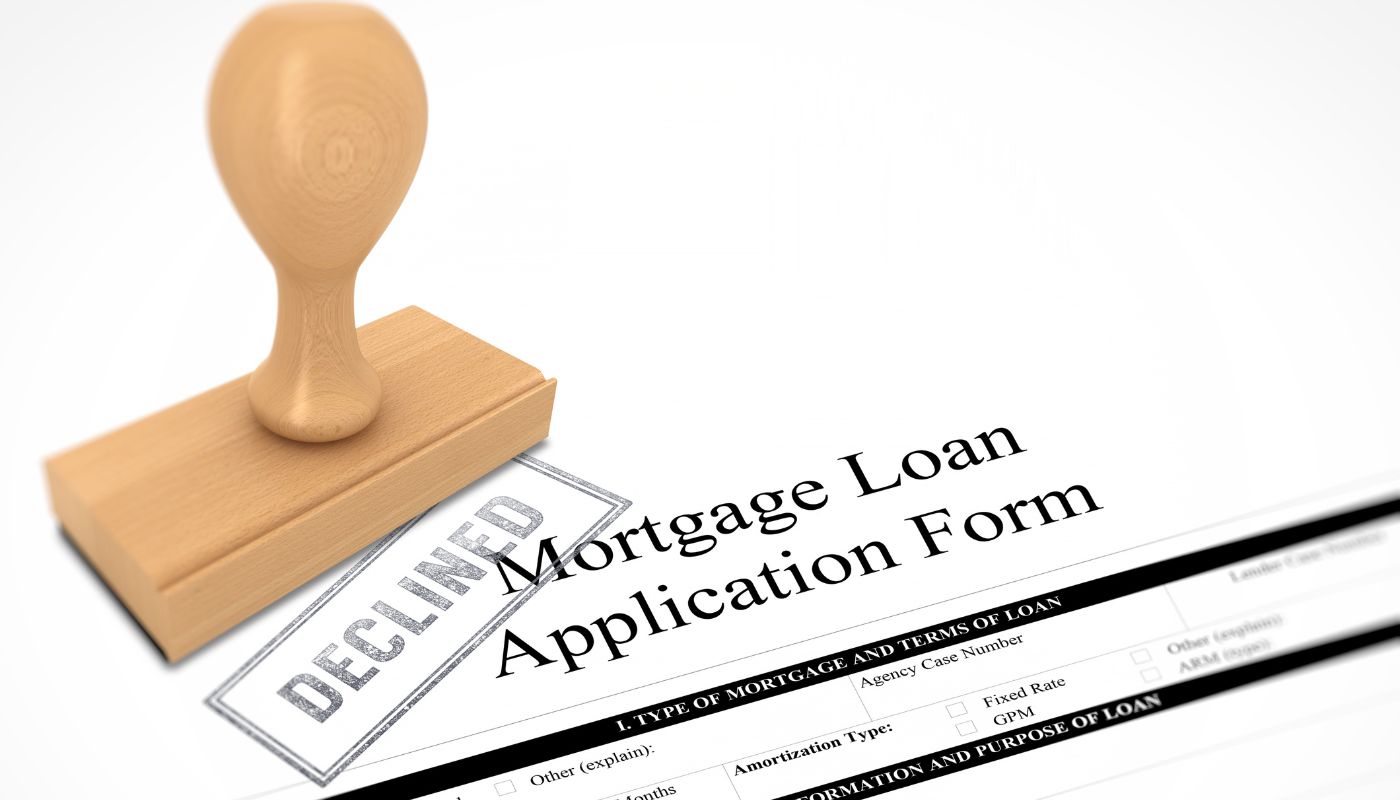 If you have been declined for a mortgage, you may think that buying that new home is out of reach. However, there are ways to turn a rejection into an approval and to find a more accessible loan. Here are just a few steps you can take to learn about your loan options and get the mortgage that works for you.
 “No-deposit” mortgage deals for first-time buyers refer to mortgage options that allow buyers to purchase a home without having to put down a deposit or a down payment. Here are the pros and cons of such deals:
 A closed-end second mortgage is a type of loan that allows a borrower to obtain a lump sum of money using their home as collateral. It is considered a “second” mortgage because it is taken out in addition to the borrower’s primary mortgage.
 When a borrower applies for a mortgage loan, the lender typically requires proof of insurance coverage before they approve the loan. An insurance binder is a document issued by the insurance company that provides temporary proof of insurance coverage until the official insurance policy is issued.
 This week featured the usual retail sales report which shows consumer demand and as well as an indicator of the velocity of money, not only for consumers but business to business as well. An increase would show an increase in national and local increase in economic activity, which is important as we move into Q4 of the year; where the holiday season is expected to see an increase in consumer activity.