 When you take out a home loan, you might have the option to purchase mortgage points. Essentially, this is money that you pay to the lender upfront in exchange for getting a lower interest rate over the life of the loan. If you got a great deal on the house, you might have some extra cash on hand. Should you use that money to buy down the interest rate? This is a math problem that you need to calculate for yourself.
How To Do The Math
If you want to figure out if the mortgage points are worth it, you need to do some math. For example, you may need to pay an extra $3,000 at closing to qualify for a lower interest rate. You need to figure out how long it will take you to get that $3,000 back in terms of interest savings. So, if you save $30 per month on interest in exchange for that $3,000 upfront, it will take you 100 months to get that $3,000 back. After that, you will come out ahead. That is about eight years. So, if you plan on staying in the home for eight years (or more), then it might be worth it. If you sell the house before that point, or if you decide to refinance your home loan, then you will lose that money.
Other Factors To Consider
There are other factors to consider as well. For example, if you decide to buy discount points, it might be tax deductible, but this is something that you need to talk about with an accountant. Furthermore, if you are not getting the lowest interest rate because of a low credit score, you might want to buy discount points as well. Finally, if you want to reduce your monthly payment, mortgage points might be a smart way to get a lower payment.
Do not forget that you need to think about other options for that cash. There is a chance that you might need that cash for another bill, such as tuition or a car repair, so think carefully before buying discount points.
 Last week’s economic reporting included readings on home price growth, federal data on public and private sector job growth, the national unemployment rate, and data on consumer sentiment. Weekly readings on mortgage rates and jobless claims were also released.
 Many people all over the world are dealing with issues involving debt or poor credit history, but most aren’t necessarily aware of what exactly makes up their credit score. Unfortunately, it might seem like it’s the big stuff that counts when it comes to credit, but little things can have a significant impact on your financial health. If you’re looking to improve your understanding and your finances, here’s what you need to know about small mistakes and your FICO score.
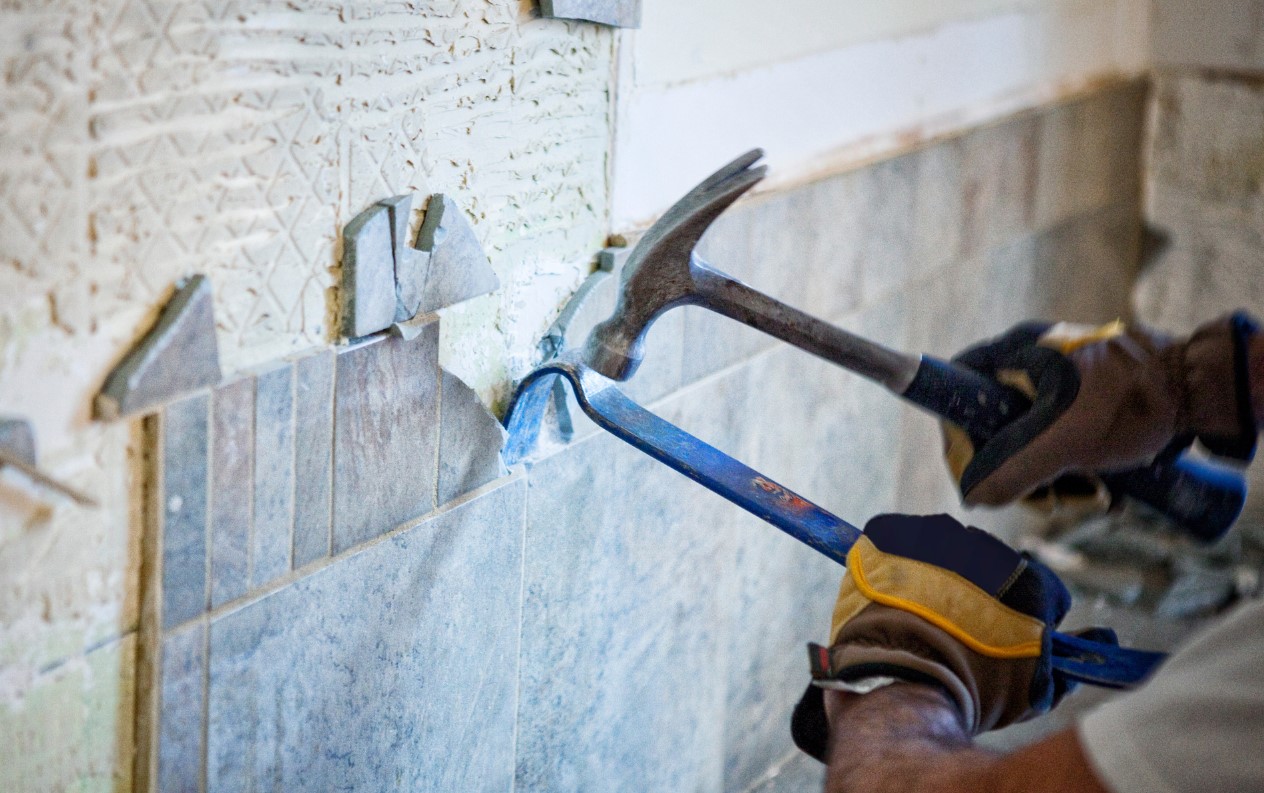 Today, there are many people who are having a difficult time purchasing a house. Even though interest rates have gone up, sales are still happening quickly. Therefore, it can be difficult for people to qualify for a mortgage, purchase a house, and get to the closing table before the property is sold. One potential way to get around the hot housing market is to consider a home renovation mortgage. How can a home renovation mortgage help you?
  When you are in the process of buying a home, it can be intimidating to take a look at so many factors. A home has a big price tag, and you need to make sure that you budget accordingly. Fortunately, this is not a process that you have to go through on your own. There are several items that all experts will say that you have to consider as you budget for your next home purchase.
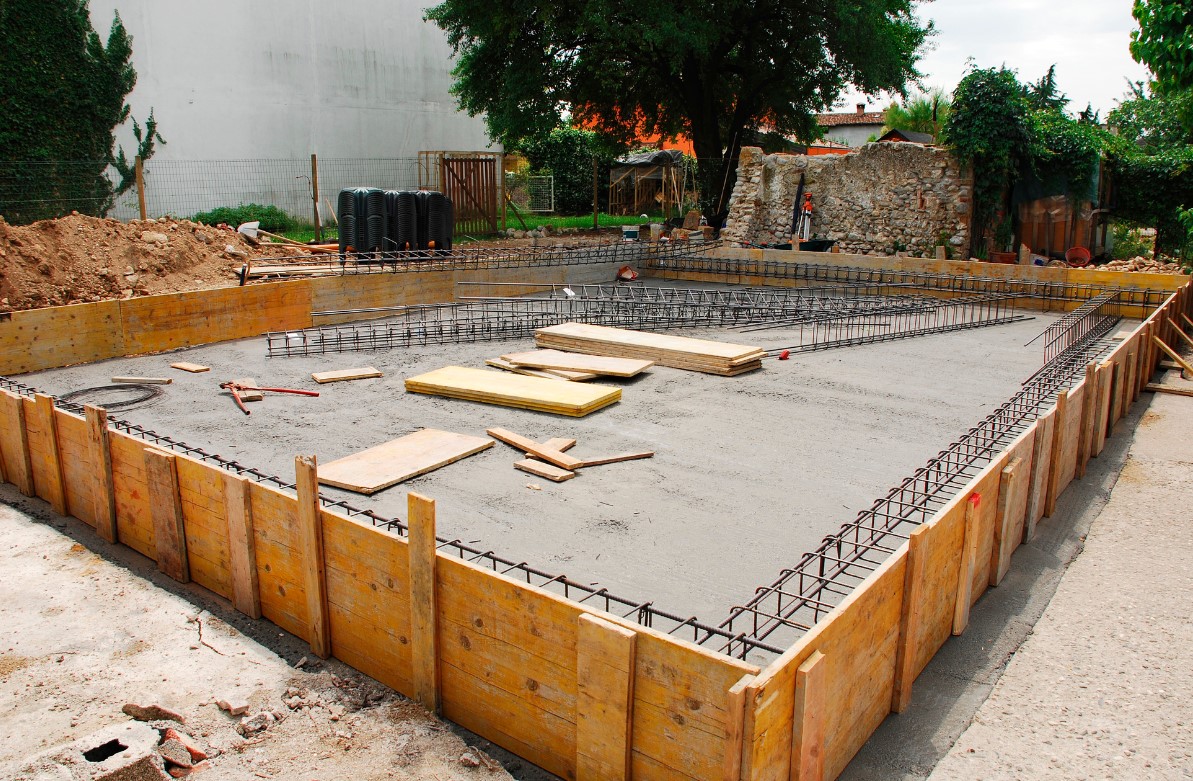 Are you thinking about purchasing a home in the near future? Or, are you thinking about building one? If so, you must think carefully about the foundation of the home. It is responsible for supporting the rest of the structure, so you need to find the right foundation to meet your needs. What are a few of the top options available?
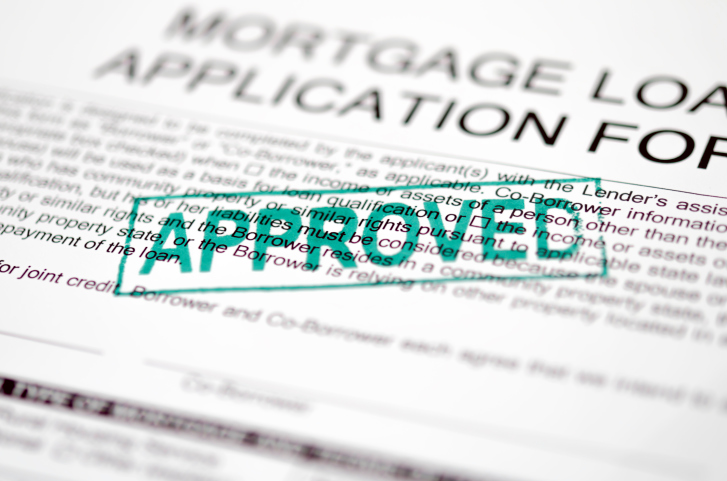 If you want to buy a home in the near future, you are probably aware of just how competitive the housing market is. You need to put yourself in the best position possible to be successful by getting pre-approved for a home loan. This is a very important step, particularly when you compete against people making cash offers. Learn more about the importance of getting pre-approved below, and make sure your offer is taken seriously.
 From the approaching holiday season to the New Year, there are a lot of things to prepare for when it comes to the winter. It’s important, though, not to forget about the needs of your lawn for the upcoming cold season. If you’re wondering how to ready your trees, your plants and your yard, here are some tips for saving your vegetation until the springtime.
 Starter homes are incredibly popular for young couples who plan to have a family in the future but don’t need a large place yet.