 Home equity is the difference between what your home can sell for and what you owe on it. Generally, the longer you own your home, the more equity you build.
This is money you can use before you sell your home through a home equity loan. Just keep in mind that a home equity loan is secured with your home. If you can’t make the payments, you can lose your home.
Use Your Home Equity In Smart Ways:
- Remodel Your Home – If you’ve wanted to add on a family room or modernize your kitchen, consider using your home’s equity to fund the project. Home improvements usually increase your home’s marketability and value.
- Make Needed Major Repairs – Your home’s equity can be a funding source for major repairs like plumbing problems and re-roofs. Once again, this is an improvement for your home that will help keep its value up.
- Buy Another Property – Real estate is still a safe investment. You can use your home equity to buy a second property when home values are down. When the market recovers, you can sell the investment property for a profit. This also works if you have to move out of town and are still trying to sell your home. If you can afford the payments, use your home’s equity to purchase your new home until the current one sells.
- Pay For Unexpected Medical Expenses Or Job Loss – You never know when a medical emergency or job loss will leave you in debt. A home equity loan can give you the money you need to get through this difficult time.
It’s easy to build equity in your home when you find the right deal. Let me help you find your perfect home and negotiate a great price and terms for you. Contact your mortgage professional today.
 So you’ve found the perfect home, the seller has accepted your offer, and now you’re just waiting for the mortgage to close before you wrap up the sale and take possession. It’s time for the closing meeting.
 The most popular time of year to sell a home is the summer. There are a lot of families with children who prefer to move during the summer because they do not want to move their children during the school year. In contrast, many people do not like to move during the winter. It can be difficult to request extra time off of work, particularly during the holiday season. At the same time, it is still possible to sell a home during the winter. What are a few tips homeowners need to follow to sell a home during the winter?
  The idea of conducting an energy audit on your home might seem like something complicated that should be left to the experts, but there are ways for you to make your home a little greener without consulting anybody. Instead of having someone else do the work, here are a few simple ways for you to inspect your home and green up its energy use.
 Last week’s economic reports included readings on home price trends, pending home sales, labor-sector readings on public and private-sector job growth. Weekly readings on mortgage rates and jobless claims were also released.
 When someone purchases a house, they might have to take out a loan. Because a house is expensive, most people end up with a mortgage. Some people decide to go with a 15-year mortgage while other people decide to go with a 30-year mortgage. Eventually, after all these years, someone might receive a deed of reconveyance. What does this mean, and how does it work?
  Whether you’re moving to a new home or you have a new family pet, it can be a struggle to make the place a little friendlier for them. From the garbage can to the cupboards and doors, there can be a lot of dangers that have the ability to hurt your furry friend you might not be aware of. If you’re looking for some simple ways to make their life a little easier, here are a few things you can do.
 There are many people who are thinking about buying a home for the first time. Even though this is an exciting experience, there are also people who develop anxiety when purchasing a home. This is a major financial decision, and it is critical to get it right. What do people need to do if they want to overcome anxiety as first-time homebuyers?
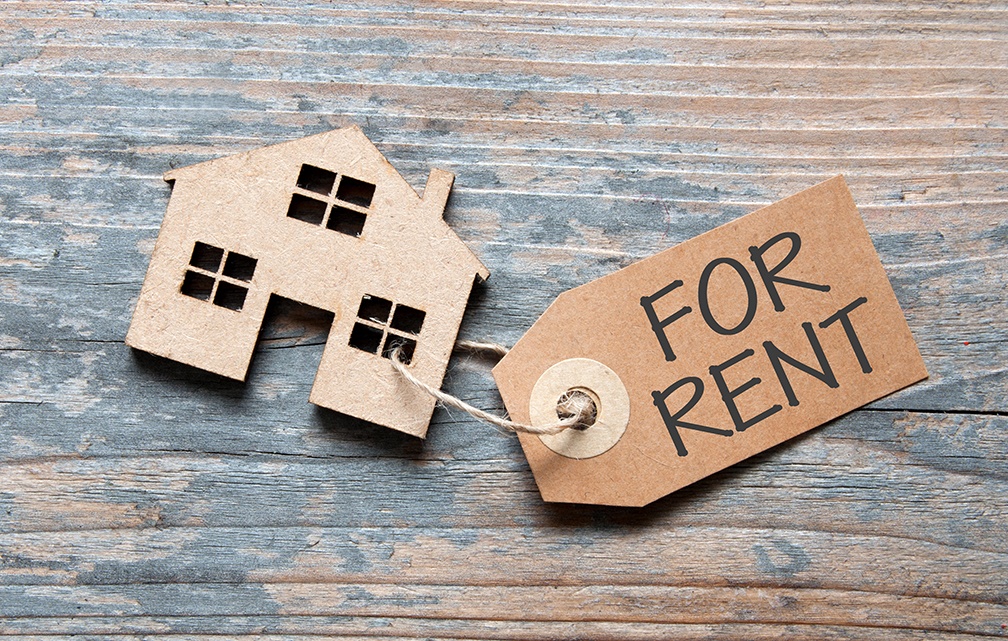 Rent has gone up significantly during the past year. Even though it is not unusual for rent to go up over time, the average rent across the country has increased significantly during the past year. This means that the average rent will probably be even higher next year than it is this year. Even though this is one of the biggest deterrents against renting, there are other reasons to get out of the rental market as well.
  Last week’s economic reporting included readings on sales of new and previously-owned homes, inflation, and weekly readings on mortgage rates and jobless claims. President Biden announced his nomination of Federal Reserve chairman Jerome Powell for a second term. Financial markets were closed Thursday and Friday for the Thanksgiving holiday.