 The idea of buying a home is challenging enough as the process requires a lengthy approval validation, paperwork, financing, and the actual move with logistics. However, when one really looks at what typically occurs with relocation, buying versus renting can start to make more sense over time.
Finances Have to be In Order
Buying a home more than once every ten years requires a good amount of discipline on one’s personal finances. Most of the initial decisions and approvals will depend heavily on keeping one’s debt versus income ratios in line and viable. That also means saving up a lot to have sufficient cash flow for fees and your down payment. It also means not letting credit cards get out of hand or taking on other significant debt unless necessary as both weigh against one’s ability to obtain new financing for the next home purchase.
Renting Versus Owning
Renting or leasing tends to be the go-to option during a relocation because it tends to be easier upfront, has fewer requirements to achieve, and involves less of a significant commitment financially. After all, what happens if there is another relocation just a year later? However, most relocations are fairly defined in time. Anything under a year would make sense for renting, but when one starts getting beyond a year, buying starts to become far more appealing.
First, all the dollars one pays in rent are a sunk cost. If one buys, some of that money goes into home equity. Second, many companies and organizations who relocate their people often have connections for quick purchasing and residential needs, leveraging corporate interests for their employees. This allows for the rotation of homes from one employee to the next and makes buying easier for longer-term stays.
Third, a purchase for a shorter-term stay doesn’t have to be a full-scale home. Smaller units that cost much less are easier to close and can work just as well for temporary living. Relocating buyers should really consider a wide range of housing options in a buy versus just a strict replacement of what they had before.
Finally, market costs in the target location have to be considered. Some markets are very affordable and might be cheaper than renting month to month but others are astronomical, and it simply doesn’t make sense to buy in these regions for a short-term stay.
The Bottom Line
Understand with renting everything paid is gone and won’t be recovered in any form at all. It’s a lost expense. That can be thousands of dollars after one year alone. Buying will have fees, but the money spent on the mortgage each month buys equity which can be recovered in a sale, plus a possible gain as well down the road. Buying doesn’t work in every situation where one is relocated, but it can be a viable option in affordable markets and when one is staying longer than a year.
As always, check with your local real estate professional for the best advice on your relocation and your personal financial situation.
 At the flowers begin to bloom and the weather starts to warm up, everyone is thinking about spring cleaning. It is critical to make sure the house is ready for the warmer weather. What are the top spring maintenance tasks that have to be completed? Do not procrastinate on these tasks, as the price could be high.
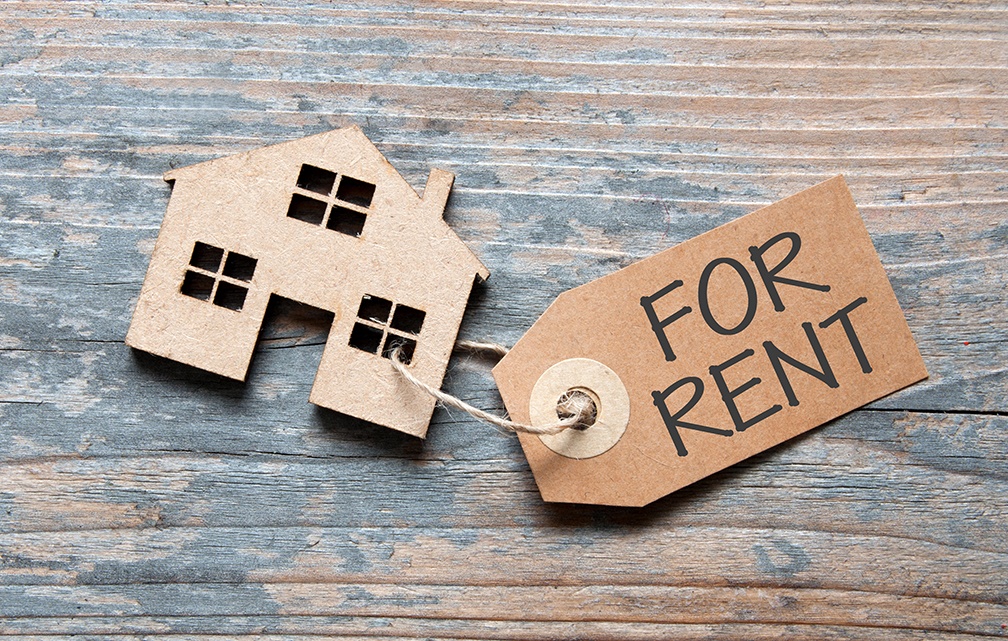 Upgrading your rental doesn’t need to cut deeply into your profits. You can add curb appeal and help prospective tenants see your rental as their next home by making some simple changes. The following upgrades are all things that a handy landlord can do without needing to hire professional contractors.
 Last week’s economic news included readings from the National Association of Home Builders on housing markets along with Commerce Department readings on housing starts and building permits issued. Fed Chair Jerome Powell appeared on 60 Minutes. Weekly readings on mortgage rates and jobless claims were also released.
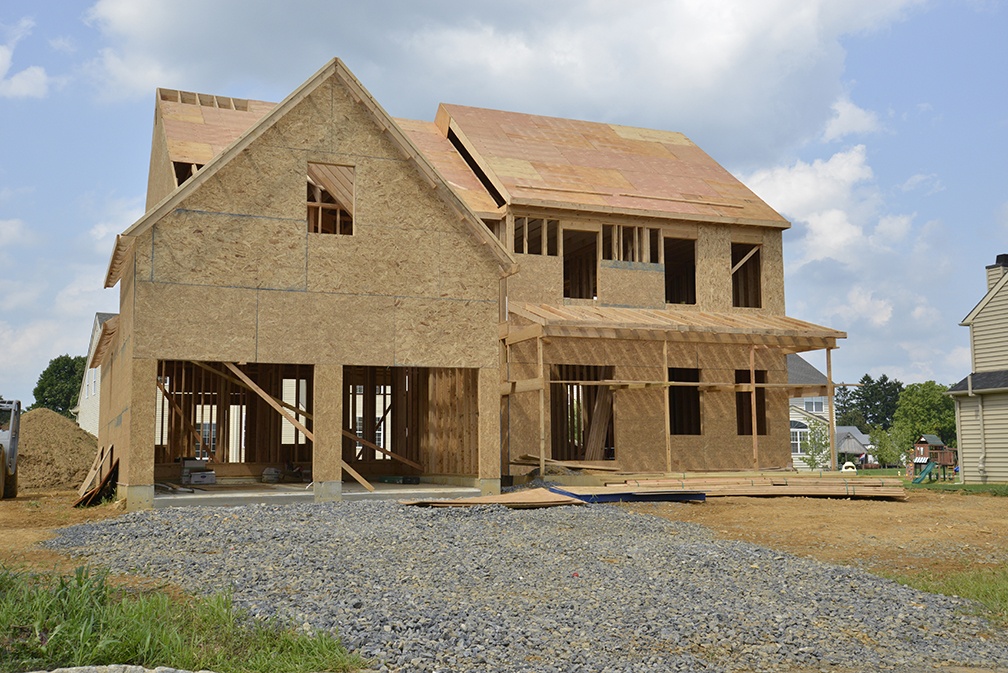 The national reading for home builder confidence rose one point to an index reading of 83 in April; the National Association of Home Builders predicted a reading of 84. Component readings for April’s national index readings were mixed. Builder confidence in current market conditions for single-family homes rose one point to 88. Builder confidence in market conditions for single-family homes in the next six months fell two points to 81 but homebuilder confidence in buyer traffic in new home developments rose two points to an index reading of 75.
 Spring is around the corner, and it’s time to get your home in order!
 If your personal budget is similar to many other people’s budgets, your home mortgage payment is by far the largest expense that you pay for each month. In fact, this payment may easily account for 20 or 25 percent or more of your take-home income.
 The Federal Reserve has a dual legal mandate to achieve an inflation rate of 2.00 percent and maximum employment. While inflation is expected to exceed 2.00 percent in 2022 and beyond, unemployment remains above pre-pandemic levels. FOMC members did not raise the Fed’s key interest rate range from 0.00 to 0.25 percent.
 Whether you are preparing to purchase your first home or it has been many years since you last walked through the home buying process, you may be starting to feel overwhelmed at the thought of all of the work that lies in front of you. From concerns about finding the right home to the physical act of relocating all of your belongings after the closing, there is certainly a lot to think about. While each home buying transaction is unique, the most successful home buyers have typically adopted a few behaviors. You may keep these in mind to help you navigate through the process with success.