
CTeBockhorst's Blog

The Mortgage and Real Estate Scoop

  • Home
  • About
  • Blog
  • Resources
    • Calculators
    • Download My eGuide Today!
    • First Time Buyer Tips
    • First Time Seller Tips
    • Loan Checklist
    • Loan Process
    • Loan Programs
    • Home Appraisal
    • Home Inspection
    • What to Expect at a Loan Closing: A Step-by-Step Guide
  • Apply
  • Reviews
    • Read My Reviews
    • Zillow Reviews
    • Leave a Review
  • Contact

How Property Taxes Impact Your Mortgage Payment

June 6, 2025 by Coleen TeBockhorst

When buying a home, most people focus on the home price, interest rate, and monthly payment. But there’s another major factor that can significantly affect your mortgage: property taxes. These taxes can make your mortgage payment higher than expected and understanding how they work is key to managing your budget effectively.

Below, I will break down how property taxes influence your mortgage and what you can do to plan ahead.

What Are Property Taxes?
Property taxes are local taxes assessed on real estate by your city or county government. These funds help pay for public services like schools, police and fire departments, roads, and parks. The amount you owe each year is based on the assessed value of your home and the tax rate in your area.

For example, if your home is valued at $300,000 and your local property tax rate is 1.2%, you will owe $3,600 in property taxes annually.

How Property Taxes Affect Your Mortgage Payment
Most homeowners pay their property taxes through an escrow account set up by their mortgage lender. Here is how it works:

Your lender estimates your annual property tax bill, divides it by 12, and adds that amount to your monthly mortgage payment. The lender collects this money each month and pays the tax bill on your behalf when it comes due.

So, if your base mortgage payment (principal + interest) is $1,500 and your estimated monthly property tax is $300, your total mortgage payment becomes $1,800.

This means your monthly payment can fluctuate, even if your loan amount and interest rate stay the same.

When Property Taxes Go Up
Your local government reassesses property values regularly. If your home’s value increases or the tax rate changes, your property taxes—and your mortgage payment—can go up, too.

Each year, your lender performs an escrow analysis to check if you’ve paid enough to cover your tax and insurance bills. If taxes have increased, you may receive a notice of escrow shortage and a higher monthly payment to make up the difference.

This surprise can catch homeowners off guard, especially if the increase is significant.

Tips to Stay Ahead

  1. Know Your Local Rates:
    Before buying a home, research the area’s property tax rate. A slightly more expensive home in a lower-tax area may have a lower monthly cost than a cheaper home with high taxes.
  2. Watch for Reassessments:
    Stay informed about property assessments in your area. If you think your home’s assessed value is too high, you may be able to appeal the assessment.
  3. Plan for Increases:
    Property values often rise, especially in desirable neighborhoods. Build some cushion into your budget for potential increases in taxes.
  4. Review Your Escrow Statement:
    Lenders send escrow statements each year. Review them carefully and ask your lender if anything looks off.

Understanding how property taxes affect your mortgage helps you plan smarter, avoid surprises, and stay in control of your housing costs. It’s not just about what you borrow, it’s also about what your community collects.
Filed Under: Mortgage Tagged With: Escrow Account, Mortgage Tips, Property Taxes

The Impact of Inflation on Mortgage Rates and Home Affordability

June 5, 2025 by Coleen TeBockhorst

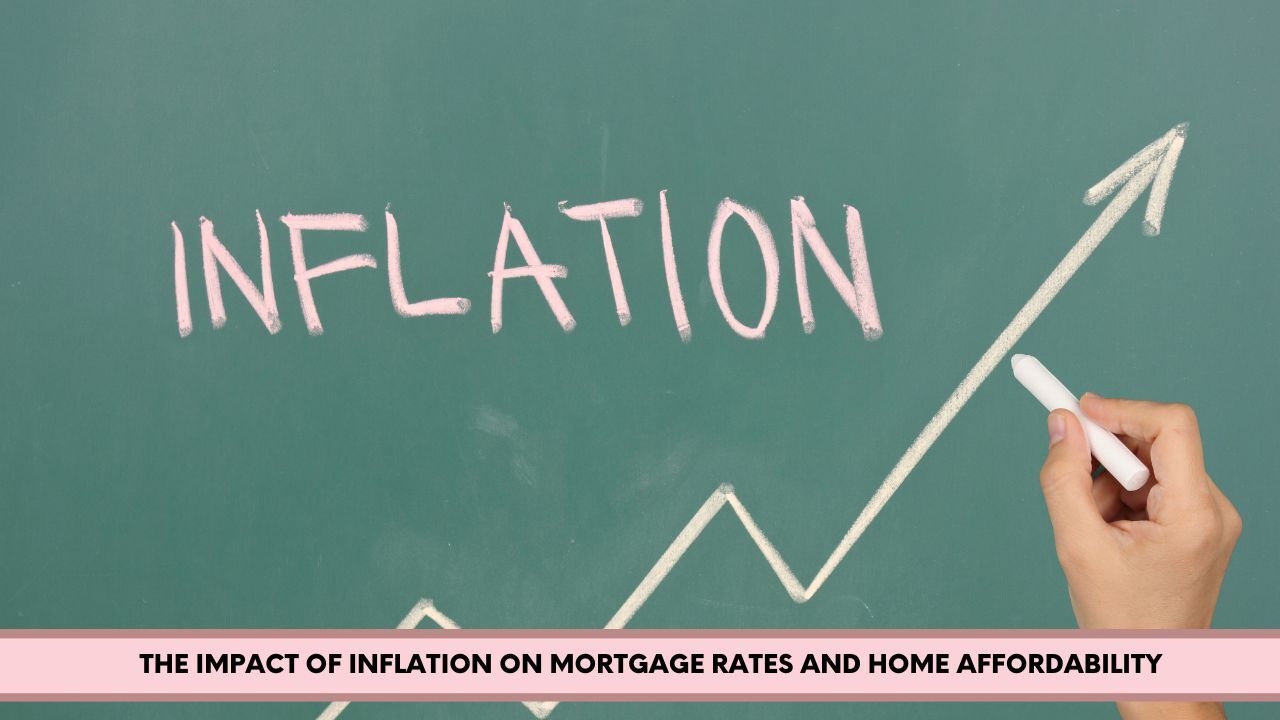
Inflation has made a loud and lasting entrance into our daily lives. From groceries to gas prices, everything seems more expensive. One of the most significant areas where inflation leaves its mark is in the housing market, particularly mortgage rates and home affordability. As inflation continues to fluctuate, many potential homebuyers are left wondering how it all connects, and what it means for their financial future.

How Inflation Drives Mortgage Rates
Inflation refers to the rise in the cost of goods and services over time. When inflation is high, the Federal Reserve typically responds by raising the federal funds rate in an effort to slow down spending and stabilize the economy. While the Fed does not directly set mortgage rates, its policies heavily influence them. As borrowing becomes more expensive for banks, those costs are passed down to consumers in the form of higher interest rates, including mortgage rates.

As of today, inflation remains a persistent concern, with housing costs playing a central role in many households’ budgets. Mortgage rates, which hovered near historic lows during the early pandemic years, have risen significantly. For a homebuyer, this shift can mean hundreds, or even thousands, more in monthly payments compared to just a few years ago.

Why Home Affordability Has Taken a Hit
Home affordability is a measure of how easily a typical family can afford to buy a median-priced home. With home prices still elevated and mortgage rates rising, affordability is at its lowest point in decades for many regions. Even if home prices stabilize or slightly decline, the effect of higher interest rates keeps monthly payments high, putting homeownership out of reach for many middle-income buyers.

For example, a $400,000 mortgage at 3% interest has a monthly payment of about $1,686 (excluding taxes and insurance). At 7%, that same loan would jump to roughly $2,661, a staggering difference for most households. That shift alone can drastically reduce buying power and force many would-be buyers to delay their home purchase or consider less expensive areas.

What Can Buyers Do?
Despite these challenges, buying a home is still possible with the right strategy. Improving your credit score, reducing debt, and saving for a larger down payment can all help secure a better mortgage rate. Some buyers are exploring adjustable-rate mortgages (ARMs) or buying discount points to lower their rates upfront. Others are considering smaller homes or moving to more affordable locations to stay within budget.

For those unable to buy right now, staying financially prepared is key. Continue building your credit, track market trends, and speak with a mortgage professional about your options. Inflation may not disappear overnight but understanding how it affects your homebuying journey is the first step.

Filed Under: Mortgage Tagged With: Home Affordability, Inflation Impact, Mortgage Tips

How to Pay Off Your Mortgage 10 Years Early Without Extra Payments

June 4, 2025 by Coleen TeBockhorst

If you’re like most homeowners, the idea of paying off your mortgage early sounds amazing—more freedom, fewer monthly expenses, and peace of mind. But what if you could shave 10 years off your mortgage without making extra payments each month? Sounds too good to be true? It’s not! There are smart strategies that don’t require more money out of pocket, just a little planning and a fresh approach.
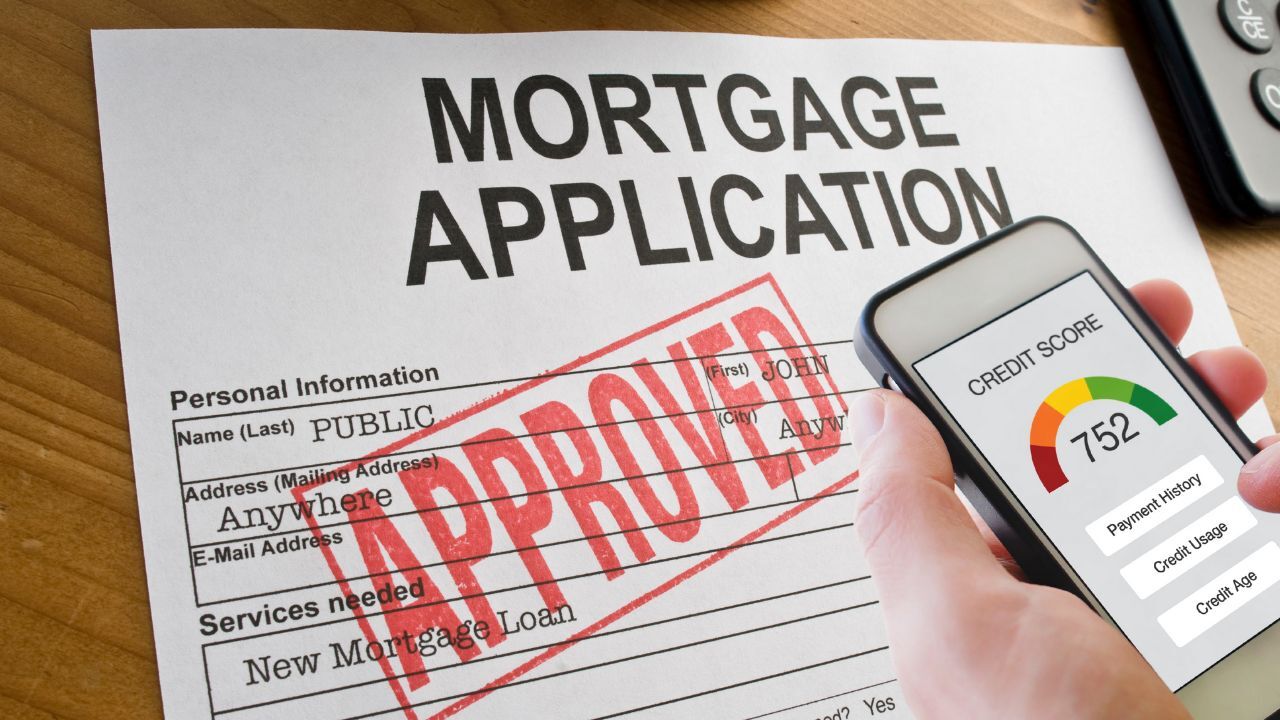
As a mortgage originator, I have helped many clients explore options that save them time and interest. Here’s how you can, too.

  1. Refinance to a Shorter Term:
    One of the most effective ways to pay off your mortgage faster without technically making extra payments is to refinance into a shorter loan term. For example, switching from a 30-year loan to a 20- or 15-year term automatically shortens the repayment period. Your monthly payment might go up slightly, but you’ll save thousands in interest and be mortgage-free much sooner.
  2. Biweekly Payments (Without Paying Extra):
    Here’s a simple trick: set up biweekly payments instead of monthly. You make half your monthly payment every two weeks. Since there are 52 weeks in a year, you end up making 26 half-payments, or 13 full payments, instead of 12. That one extra payment each year can cut several years off your loan term, without you needing to budget for more money each month.
    Many lenders allow you to set this up automatically, so it runs in the background with no extra effort on your part.
  3. Recast Your Mortgage:
    A mortgage recast allows you to re-amortize your loan after making a lump-sum payment. While this option does require one larger payment up front, it won’t increase your monthly payments like refinancing might. Instead, it lowers them, and you continue paying your original amount. The extra you are paying above the required minimum helps shorten the loan, even though you are not technically increasing monthly payments.
    Ask your lender if recasting is an option with your loan type—it is available for many conventional loans.
  4. Use Windfalls Wisely:
    Tax refunds, bonuses, and gifts can be powerful tools. Instead of adding more to your monthly budget, apply these lump sums toward your principal. You will not feel it in your everyday cash flow, but it can significantly reduce the interest and length of your loan.
  5. Review Your Loan Regularly:
    Stay in control by reviewing your mortgage annually. Check your loan balance, interest rate, and remaining term. If interest rates drop, refinancing may become a better option. Or if your financial situation changes, you might be ready for more aggressive payoff tactics.

Paying off your mortgage 10 years early does not have to mean giving up your lifestyle or straining your wallet. With smart moves like biweekly payments, recasting, or refinancing to a shorter term, you can save thousands and gain financial freedom sooner than you thought.

Filed Under: Mortgage Tagged With: Early Payoff, Home Ownership Goals, Mortgage Tips

Will Multiple Mortgage Applications Hurt Your Credit Score?

June 3, 2025 by Coleen TeBockhorst

When you are ready to buy a home, it is natural to shop around for the best mortgage rate and terms. But you may have heard that submitting multiple loan applications can damage your credit score and throw a wrench in your homebuying plans. Here is the truth behind hard inquiries, rate shopping, and how to protect your credit while securing the best deal.


Understanding Hard Inquiries vs. Soft Inquiries
Whenever a lender runs your credit, whether for a credit card, auto loan, or mortgage, they generate a hard inquiry on your report. Hard inquiries can lower your score by a few points and typically stay on your report for up to 12 months, but they fade after about two years. Alternatively, if you check your own credit or prequalify through some websites that promote no affect to your credit score, it will generate a soft inquiry and will not affect your score.

Rate Shopping Grace Periods
Credit scoring models from FICO and VantageScore recognize that savvy borrowers comparison-shop for the same type of loan. To prevent penalizing you for smart shopping, they group multiple mortgage (and auto) inquiries within a short window, usually 14 to 45 days, and will count them as a single inquiry. This means you can apply to several lenders within a couple of weeks without a significant hit.

  • FICO: 14-day window for newer models; 45 days for older versions.
  • VantageScore: 14-day window across all versions.

How Much Will Your Score Drop?
You can expect a single hard inquiry to typically cost you 5–10 points on a FICO score. If you keep all your mortgage applications within the allowed window, they will count as one inquiry and only incur that initial drop. If you miss the 14-day window applying for several loans over a 2-month period, you can expect it to trigger multiple inquiry hits, intensifying the effect.

Keep in mind that there are other factors that will play into this like credit utilization, payment history, length of credit history, and more that will carry more weight than a handful of inquiries. If your overall credit profile is strong, a temporary 5–10 point drop will not usually affect the outcome of the loan.

Best Practices for Mortgage Shoppers

  1. PreQualify First: Work with a mortgage professional that uses soft pull prequalification tools to see your likely rates without affecting your score.
  2. Apply Quickly: Have a plan in place to aggressively shop within a two-week span to bundle inquiries into one.
  3. Check Your Credit: Review your credit report before applying to correct any errors (e.g., misreported late payments, incorrect balances, accounts that you do not recognize, etc.).
  4. Mind Your Other Credit: Avoid opening new credit cards or taking out auto loans during this window; they generate hard pulls too. It’s best to refrain from any purchases during the approval process.
  5. Lock in Your Rate: Once you find a competitive offer, lock your rate to avoid having to re-apply and ensure your hard inquiry clock stops.

Multiple mortgage applications will hurt your credit if they are spread out over too long a period. By focusing your shopping within the 14-day window, you will only face a single, minor score dip. Pair smart timing with a strong credit profile, and you can secure the best mortgage deal without sacrificing your score.

Filed Under: Mortgage Tagged With: Credit Score, Home Buying, Mortgage Tips

What’s Ahead For Mortgage Rates This Week – June 2nd, 2025

June 2, 2025 by Coleen TeBockhorst

The PCE Index release—the Federal Reserve’s preferred inflation indicator—has shown favorable results. However, the overwhelming sentiment remains one of uncertainty due to the ongoing trade wars. With these conflicts still in full swing, inflation is expected to rise in the near future at a faster-than-anticipated pace. Following the recent trade truce with China, consumer sentiment has improved, though the long-term impact remains uncertain. As expected, consumer spending has declined noticeably, as the tariffs have led to short-term price increases.

PCE Index
The cost of living barely rose in April — and the rate of inflation slowed even closer to prepandemic levels — but it’s unclear whether the recent progress can be sustained as the trade wars drag on. The back-to-back monthly inflation readings were the softest since the pandemic in 2020. The 12-month rate of inflation, meanwhile, slowed to 2.1% from 2.3% and also matched the lowest level since the pandemic.

Consumer Sentiment
A survey of consumer sentiment improved in late May on some signs that the tariff war with China might not be as damaging for the economy as feared. The second of two readings of the consumer sentiment survey rose to 52.2 from 50.8 in early May, the University of Michigan said Friday. That matches the sentiment level in April.

Consumer Spending
Americans became more cautious spenders in April after the Trump administration jacked up U.S. tariffs and the stock market plunged. Now the big question is what they will do next as the trade wars die down. Personal spending rose a modest 0.2% last month, the government said Friday, matching the forecast of economists polled by The Wall Street Journal.

Primary Mortgage Market Survey Index

• 15-Yr FRM rates saw an increase of 0.02% for this week, with the current rate at 6.03%
• 30-Yr FRM rates saw an increase of 0.03% for this week, with the current rate at 6.89%

MND Rate Index

• 30-Yr FHA rates saw a decrease of -0.08% for this week. Current rates at 6.45%
• 30-Yr VA rates saw a decrease of -0.07% for this week. Current rates at 6.47%

Jobless Claims

Initial Claims were reported to be 240,000 compared to the expected claims of 230,000. The prior week landed at 223,000.

What’s Ahead

A strong release week is upcoming with expected manufacturing reports from ISM, S&P Global Manufacturing to denote where producers stand. Following that is the Beige Book and Non-farm Payrolls. This will help indicate the direction of inflation and response to the tariff policies.

Filed Under: Financial Reports Tagged With: Financial Report, Jobless Claims, Mortgage Rates

What Every Homebuyer Should Know About How Are Property Taxes Calculated

May 30, 2025 by Coleen TeBockhorst

When buying a home, it’s easy to focus on the down payment and mortgage rate, but don’t overlook property taxes. They can significantly affect your monthly payment and long-term budget and understanding how they’re calculated is key to making smart homebuying decisions.

We will break down the basics and highlight a few often-missed factors that could influence how much you’ll pay.

The Property Tax Formula
Property taxes are calculated based on the assessed value of your property multiplied by your local tax rate:

Assessed Value × Local Tax Rate = Annual Property Tax

The assessed value is determined by your local taxing authority and can be reassessed yearly or every few years depending on your location. This value isn’t always the same as your purchase price, it may be a percentage of market value or a figure set by recent local data.

Land Value vs. Structure Value
Most taxing authorities separate your property into two parts: the land and the improvements (like your home and any buildings). This matters because in many high-demand areas, land value can increase faster than the structure itself, even if no renovations have been made.

For example, if your home is in an area experiencing rapid growth or development, the land alone may account for a large portion of your tax bill. This is especially true for lots near commercial zones or in neighborhoods targeted for redevelopment.

“Highest and Best Use” Assessments
One often-overlooked factor in property taxes is the concept of “highest and best use.” This means your property may be taxed based on what it could be used for, not just what it is now.

For instance, a small home located in an area zoned for commercial or multi-family use might be assessed at a higher value because the land could potentially be redeveloped into something more profitable. Even if you have no intention of changing it, the possibility alone can drive up your assessed value and tax bill.

Tax Rates Vary by Location
Tax rates are typically set by a combination of city, county, and school district levies. Some states or counties reassess annually, while others only do so when a property is sold. Local laws may also include homestead exemptions, tax caps, or freezes that can help primary homeowners reduce or stabilize their tax bills.
Because these rules vary so widely, it’s essential to research how property taxes are assessed in the area where you’re planning to buy.

What Homebuyers Should Do
Before you commit to a property, be sure to:

  • Review recent and projected property tax bills
  • Understand how land and structures are valued locally
  • Ask if the area uses “highest and best use” in assessments
  • Factor in future tax increases based on development trends

Consult with a mortgage professional — they are a core part of homeownership costs. By doing your homework and asking the right questions, you can avoid surprises and budget confidently for your next move.

Filed Under: Home Buying Tips Tagged With: Budget Wisely, Mortgage Education, Property Taxes Explained

Sweet Loans for Every Taste: Which Mortgage Treat Is Right for You?

May 29, 2025 by Coleen TeBockhorst

Let’s face it, picking the right mortgage can feel overwhelming. But what if we made it more fun? Think of home loans like candy bars: each one has a distinct flavor, a specific audience, and its own perfect time and place. Whether you’re buying your first home, building your dream house, or tapping into retirement equity, there’s a mortgage match made just for you.

So let’s have a little fun with this sweet comparison…

FHA Loan – Milky Way
Smooth, classic, and made for first-timers.
FHA loans are the Milky Way of the mortgage world, soft, reliable, and oh-so-comforting. Designed for buyers with lower credit scores or smaller down payments, they’re ideal for those just starting their homeownership journey. With as little as 3.5% down and more lenient qualification standards, FHA loans are the classic comfort treat that helps many get a taste of homeownership.

VA Loan – PayDay
Salty, sweet, and packed with benefits for our heroes.
Just like a PayDay bar, VA loans combine rich rewards with a solid core. Exclusively available to eligible veterans, active-duty service members, and some surviving spouses, these loans offer zero down payment, no private mortgage insurance (PMI), and competitive interest rates. It’s a well-deserved treat for those who’ve served.

USDA Loan – 3 Musketeers
Light, fluffy, and built for the rural dream.
USDA loans are like the airy 3 Musketeers bar, light on the budget, heavy on the benefits. Designed for eligible rural and suburban areas, these loans offer no down payment and low interest rates, making them ideal for buyers dreaming of more space and a slower pace.

Conventional Loan – Snickers
Tried and true. Satisfies almost every situation.
You can’t go wrong with a Snickers, and the same goes for conventional loans. Whether you’re a seasoned buyer or refinancing, conventional loans are flexible, widely accepted, and perfect for those with strong credit and stable income. They’re the all-around winner that works for most situations.

Non-QM Loan – Twix
A little unexpected, flexible, and full of surprises.
Non-QM (Non-Qualified Mortgage) loans are for the out-of-the-box borrowers. Like a Twix, they offer a bit of a twist, great for self-employed individuals, investors, or anyone with unique financial documentation. They aren’t bound by traditional rules but still satisfy your financing needs with flair.

1099 Loan – Butterfinger
Crunchy and built for self-employed hustlers.
Independent contractors and gig workers, this one’s for you. Just like a Butterfinger, a 1099 loan has that extra crunch and texture—meant for those who don’t fit into W-2 boxes. If you’ve got income from contracts, freelancing, or side hustles, this loan keeps things sweet and flexible.

Bank Statement Loan – Hershey’s Cookies ‘n’ Creme
Smooth but with all the necessary chunks (of proof!).
Forget pay stubs, bank statement loans are here for the entrepreneurs and business owners who prove income through deposits. Like a Hershey’s Cookies ‘n’ Creme bar, it’s a smooth solution with bits of evidence baked in. This one’s all about showing your worth in your own unique way.

Reverse Mortgage – Werther’s Original
Classic, comforting, and perfect for the golden years.
Just like those timeless golden candies, reverse mortgages are made for homeowners 62 and older who want to tap into their home’s equity without leaving the house they love. It’s about adding sweetness and security to retirement with no monthly mortgage payments.

Construction Loan – Kit Kat
Break it down, build it up, layer by layer.
If you’re building a home from the ground up or taking on a major renovation, the construction loan is your Kit Kat. It’s structured, strategic, and all about financing your home in phases. With each stage of building funded in steps, this loan breaks down big dreams into manageable bites.

Find Your Flavor, Find Your Fit
Just like your favorite candy bar, the best loan for you is the one that suits your unique tastes, lifestyle, and goals. Whether you need something soft and simple or layered and bold, there’s a mortgage treat waiting to be unwrapped.

Let’s talk sweets… I mean, solutions! 🙂

Message us anytime, and let’s find the right loan to satisfy your homebuying cravings.

Filed Under: Mortgage Tagged With: Loan Flavors, Mortgage Humor, Mortgage Made Fun

Is Owner Financing Your Home the Smartest Move?

May 28, 2025 by Coleen TeBockhorst

Owner Financing Your Home Deciding to sell your home can feel overwhelming, especially when you want to maximize profit and close quickly. One strategy gaining popularity is owner financing (also known as seller financing). But is it right for you? Let’s discuss how it works, when to consider it, and the key factors every seller should weigh.


Why Buyers Ask for Owner Financing

Most buyers secure a mortgage through a bank or credit union. When a prospective purchaser requests you to carry their loan, ask yourself:

  • Credit Constraints: Do they lack sufficient credit history or have a low credit score?
  • Down Payment Challenges: Are they unable to come up with the typical 10–20% down payment?
  • Unique Loan Needs: Are they self-employed, retired, or otherwise outside conventional underwriting guidelines?

If a buyer can’t obtain traditional financing, owner financing may open the door to more offers and potentially at a higher interest rate.

Evaluating Your Risk

Before you agree to seller financing, get crystal clear on your own financial standing:

  1. Existing Mortgage Payoff
    Unless you own the property outright, you must pay off any outstanding mortgage when the sale closes. If you cannot and don’t have enough in reserves, you may not be able to extend the financing.
  2. Monthly Cash Flow
    In the event of default, can you afford the monthly payment on your former home? Ensure you have a plan (or an escrow cushion) to cover the mortgage if you need to reacquire the property.
  3. Interest & Terms
    Seller financing typically commands a higher interest rate than a bank loan. This can boost your long-term returns, but be sure to set clear amortization schedules, late-payment penalties, and balloon payment dates.

Structuring a Win-Win Deal

If you own your home free and clear, you have more flexibility:

  • Partial Financing: Offer to carry 20–30% of the purchase price, with the buyer obtaining a conventional loan for the remainder. After 12–24 months of on-time payments, they can refinance the balance and send you a lump-sum payoff.
  • Full Financing: You act as the bank for the entire sale price. The buyer makes monthly payments (with interest) to you directly. This creates a passive income stream but requires careful vetting and clear contractual terms.

Always work with a skilled real estate attorney to draft a compliant promissory note and mortgage (or deed of trust). A professional agent can help screen buyers, verify incomes, and coordinate appraisals.

Benefits & Risks at a Glance

Benefits

  • Faster sale in a slow market
  • Potentially higher interest income
  • Access to a wider pool of buyers
  • Reduced carrying costs if you’ve paid off

Risks

  • Responsibility for property upkeep
  • Complexity of loan servicing
  • Buyer default leading to foreclosure
  • Responsibility for property upkeep

Owner financing isn’t for every seller, but for the right situation, it can be a powerful tool to accelerate your sale and increase profits. Do your homework:

  1. Crunch your numbers: payoff, reserves, and projected returns.
  2. Consult a real estate attorney to draft airtight documents.
  3. Partner with an experienced agent to market and screen buyers.

Let’s discuss whether seller financing aligns with your goals and structure a deal that works for you and your buyer. Reach out today and unlock a smarter way to sell your home!

Filed Under: Home Selling Tips Tagged With: Owner Financing, Real Estate Advice, Seller Financing

What’s Ahead For Mortgage Rates This Week – May 27th, 2025

May 27, 2025 by Coleen TeBockhorst

Despite the recent pause on tariffs for Europe and progressing talks with China, the economic outlook remains largely negative across all sectors and markets. Although this week was relatively light on economic reports, the most notable was the Leading Economic Indicators, which showed a significant decline in every measurable category for April. This decline is largely attributed to the tariff policies implemented recently. Overall, the outlook remains pessimistic, despite other markets showing a more favorable reaction to the recent pauses on tariffs.

U.S. Leading Economic Indicators

The Conference Board Leading Economic Index (LEI) for the US fell sharply by 1.0% in April 2025 to 99.4 (2016=100), after declining by 0.8% in March (revised downward from the -0.7% originally reported). The LEI declined by 2.0% in the six-month period ending April 2025, the same rate of decline as over the previous six months (April–October 2024).

“The U.S. LEI registered its largest monthly decline since March 2023, when many feared the US was headed into recession, which did not ultimately materialize,” said Justyna Zabinska-La Monica, Senior Manager, Business Cycle Indicators, at The Conference Board. “Most components of the index deteriorated. Notably, consumers’ expectations have become continuously more pessimistic each month since January 2025, while the contribution of building permits and average working hours in manufacturing turned negative in April.

Primary Mortgage Market Survey Index

• 15-Yr FRM rates saw an increase of 0.09% for this week, with the current rate at 6.01%
• 30-Yr FRM rates saw an increase of 0.05% for this week, with the current rate at 6.86%

MND Rate Index

• 30-Yr FHA rates saw an increase of 0.18% for this week. Current rates at 6.53%
• 30-Yr VA rates saw an increase of 0.17% for this week. Current rates at 6.54%

Jobless Claims

Initial Claims were reported to be 227,000 compared to the expected claims of 230,000. The prior week landed at 229,000.

What’s Ahead

PCE Index data release, the Federal Reserve’s inflation indicator, the FOMC minutes giving us forward guidance for the Federal Reserve’s policy, and Univ. of Michigan Consumer Sentiment will be the most impactful releases of next week.

Filed Under: Financial Reports Tagged With: Financial Report, Jobless Claims, Mortgage Rates

Honoring Our Heroes and Celebrating the Meaning of Home

May 26, 2025 by Coleen TeBockhorst

This Memorial Day, we pause to remember the brave men and women who gave their lives in service to our country. Their courage, sacrifice, and commitment to freedom have made it possible for all of us to pursue our dreams, including the dream of home ownership.

What Home Truly Means
Home is more than four walls and a roof, more than a place to lay your head at night, it is where memories are made, milestones are reached, and futures are built. It is the front porch where your friends and neighbors gather, the backyard where barbecues bring families together, and the neighborhood that welcomes you. None of that would be possible without the dedication of those who fought to preserve our freedom.

Our Role in Building Dreams
In both the real estate and mortgage world, we have the privilege of helping individuals and families find a place to call home, a place they can grow, thrive, and live out the freedom so many fought to protect.

With Gratitude to the Families
On this solemn day, we also extend our deepest gratitude to the families of fallen heroes. Your strength and sacrifice do not go unnoticed. As we help our clients find homes and build futures, we carry that gratitude with us in everything we do.

Support for Those Who Serve
If you or someone you know is a veteran or active-duty service member, don’t forget there are special mortgage programs available to make homeownership more accessible. It’s one small way we can give back to those who have given so much.

Looking Ahead with Purpose
This Memorial Day, as we honor the past, we also look forward to helping build a future, one home, one family, and one dream at a time.

Wishing you peace, reflection, and time with loved ones on this Memorial Day holiday.

Filed Under: Holidays Tagged With: Honor and Remember, Memorial Day, Thank You For Your Service

« Previous Page
Next Page »

Contact Coleen

Coleen Tebockhorst

Coleen TeBockhorst
coleen.tebockhorst@citywidehm.com

Senior Loan Officer

Call me! (612) 701-8512

NMLS #274205

Download My Mortgage eGuide today

CW Home Mortgage logo_White

Guaranteed Rate, Inc. DBA Citywide Home Mortgage

Categories

Our Location

10591 165th St. West
Lakeville MN, 55044

Connect With Me

This site is not authorized by the New York State Department of Financial Services. No mortgage loan applications for properties located in New York will be accepted through this site. Operating in the state of California as Guaranteed Rate, Inc. D/B/A Citywide Home Mortgage. If you are a California resident, please review our Privacy Policy to learn more about the categories and business purpose of personal information we may collect and your right to opt-out from the sale of personal information.

Applicant subject to credit and underwriting approval. Not all applicants will be approved for financing. Receipt of application does not represent an approval for financing or interest rate guarantee. Refinancing your mortgage may increase costs over the term of your loan. Restrictions may apply. All information provided in this publication is for informational and educational purposes only, and in no way is any of the content contained herein to be construed as financial, investment, or legal advice or instruction. Citywide Home Mortgage does not guarantee the quality, accuracy, completeness or timelines of the information in this publication. While efforts are made to verify the information provided, the information should not be assumed to be error-free. Some information in the publication may have been provided by third parties and has not necessarily been verified by Citywide Home Mortgage. Citywide Home Mortgage, its affiliates and subsidiaries do not assume any liability for the information contained herein, be it direct, indirect, consequential, special, or exemplary, or other damages whatsoever and howsoever caused, arising out of or in connection with the use of this publication or in reliance on the information, including any personal or pecuniary loss, whether the action is in contract, tort (including negligence) or other tortious action.

Coleen TeBockhorst NMLS ID: 274205 Copyright © 1998-2025 Guaranteed Rate, Inc. D/B/A Citywide Home Mortgage. All rights reserved.

For licensing information, go to: www.nmlsconsumeraccess.org.

NMLS License #2611 – 3940 N Ravenswood Chicago, IL 60613. (866) 508-5515. Equal Housing Lender.

Licensing | Privacy | Terms of Use

Copyright © 2025 · Powered by MySMARTblog

Copyright © 2025 · Genesis Sample Theme on Genesis Framework · WordPress · Log in