 Going through bankruptcy can be a challenging and stressful process. However, it s important to understand how bankruptcy may affect your ability to secure a mortgage in the future. Bankruptcy, whether Chapter 7 or Chapter 13, can significantly impact your credit score and financial history, both of which are critical factors when applying for a mortgage. Despite this, it’s possible to obtain a mortgage after bankruptcy, though the path may be a bit more complicated.
Chapter 7 Bankruptcy and Mortgage Eligibility
Chapter 7 bankruptcy, also known as liquidation bankruptcy, involves the discharge of most unsecured debts. This means that individuals who file for Chapter 7 can have their qualifying debts erased, giving them a fresh financial start. However, filing for Chapter 7 can stay on your credit report for up to 10 years. Mortgage lenders typically look at your credit history to evaluate your ability to repay the loan, and a recent bankruptcy filing can be seen as a red flag.
While it may be difficult to secure a mortgage immediately after a Chapter 7 bankruptcy, it is possible. Most lenders require a waiting period of at least two years after the discharge of the bankruptcy before considering you for a mortgage. During this waiting period, it s crucial to rebuild your credit and demonstrate that you have regained financial stability. Having a stable income, a clean payment history since the bankruptcy, and a reasonable debt-to-income ratio can increase your chances of being approved.
Chapter 13 Bankruptcy and Mortgage Eligibility
Chapter 13 bankruptcy, also known as reorganization bankruptcy, allows individuals to create a repayment plan to pay back creditors over a period of three to five years. Since Chapter 13 bankruptcy does not discharge debts like Chapter 7, it is considered less damaging to your credit. However, it still leaves a mark on your credit report, remaining there for up to seven years.
The good news with Chapter 13 is that you may be eligible for a mortgage sooner than with Chapter 7. In some cases, you may be able to apply for a mortgage during the repayment period of your Chapter 13 bankruptcy, as long as you have made at least 12 months of on-time payments under the repayment plan. Lenders will want to see evidence of your ability to manage your finances while in bankruptcy and the likelihood that you will continue to make timely payments. After the completion of your repayment plan, you may be eligible for a mortgage with a shorter waiting period, usually around two years.
How Bankruptcy Affects Your Credit Score
A bankruptcy filing typically results in a significant drop in your credit score. The severity of the drop depends on your credit profile before the bankruptcy and the type of bankruptcy filed. A lower credit score can make it harder to qualify for a mortgage and can also lead to higher interest rates if you are approved. However, over time, your credit score can improve if you take steps to rebuild it. Making timely payments, keeping credit card balances low, and avoiding further debt can help boost your score.
Rebuilding After Bankruptcy
Regardless of whether you file Chapter 7 or Chapter 13, taking steps to rebuild your credit is crucial. Obtaining a secured credit card, paying off any remaining debts, and ensuring you maintain a steady income can all help increase your mortgage eligibility. Additionally, some government-backed loan programs, such as FHA loans, may be more lenient when it comes to bankruptcy and offer options for individuals who have had a bankruptcy discharge.
While bankruptcy can create challenges for mortgage eligibility, it is not the end of the road. By rebuilding your credit, maintaining financial stability, and working with a mortgage lender who understands your situation, it is possible to secure a mortgage even after bankruptcy. It may take time, but with careful planning, homeownership can still be within reach.
 The Benefits of Paying Points on Your Mortgage
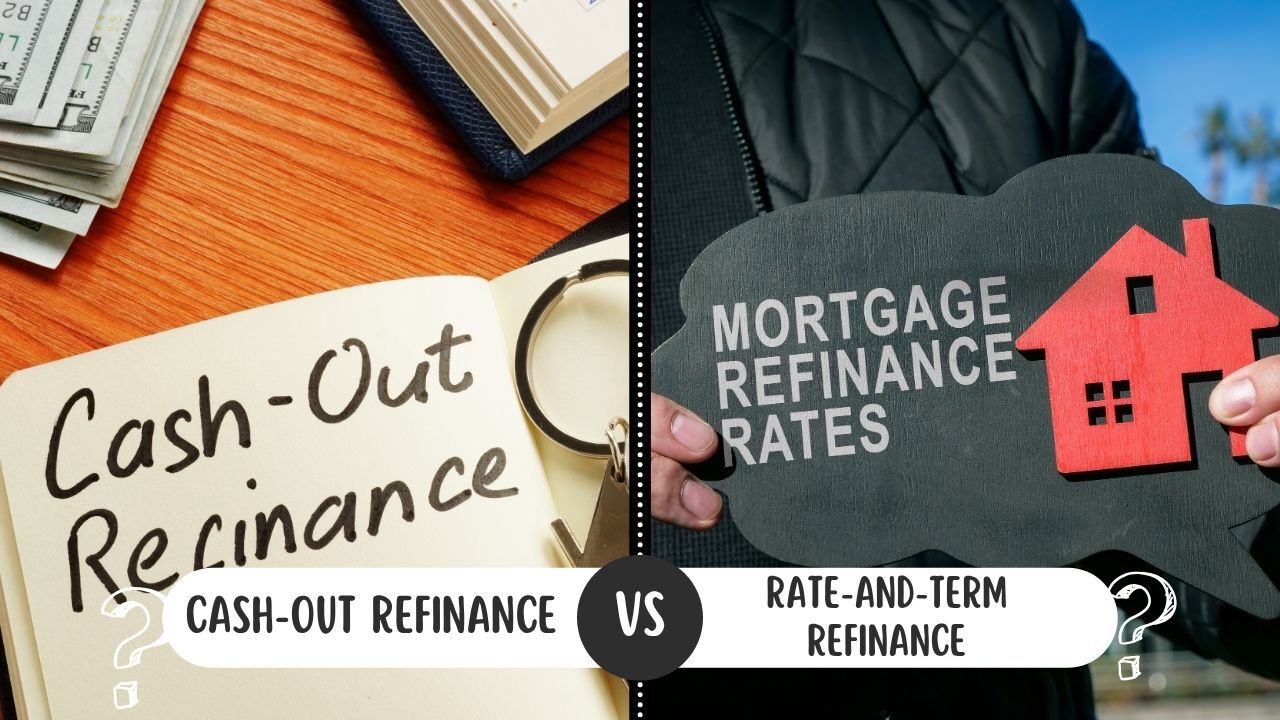 When considering refinancing your mortgage, two main options often come to the forefront: Cash-Out Refinance and Rate-and-Term Refinance. Both allow you to change the terms of your mortgage, but they serve different purposes and have distinct advantages. Understanding the differences between these two refinancing options is crucial to making an informed decision that best aligns with your financial goals.
 For generations, the goal was simple, pay off your mortgage before retirement and enjoy your golden years debt-free. But today’s retirees are changing the conversation. More and more, homeowners in or near retirement are choosing to take out a mortgage on purpose, not out of necessity. And for many, it is a smart financial move.
 For many homebuyers, the mortgage process feels like a maze. You know you want to own a home, but the path to get there can feel confusing. So let us try something different. Instead of walking forward through the process, let us walk backward, starting from the moment you get the keys and working our way to where you are now.
 When people think about getting a mortgage, the story usually sounds the same, young couple, starter home, perfect timing. But real life does not always follow that script. The truth is, many people come to the mortgage process in the middle of a major life change. Divorce, job loss, rebuilding credit, or starting over later in life, these chapters are real, and so are the mortgage paths that come with them.
 For many people, the idea of getting pre-approved for a mortgage feels overwhelming. You are asked to hand over personal financial information, trust a stranger with your credit report, and answer questions you may not feel ready to face. It is no wonder some buyers delay this step, even when they are serious about purchasing a home.
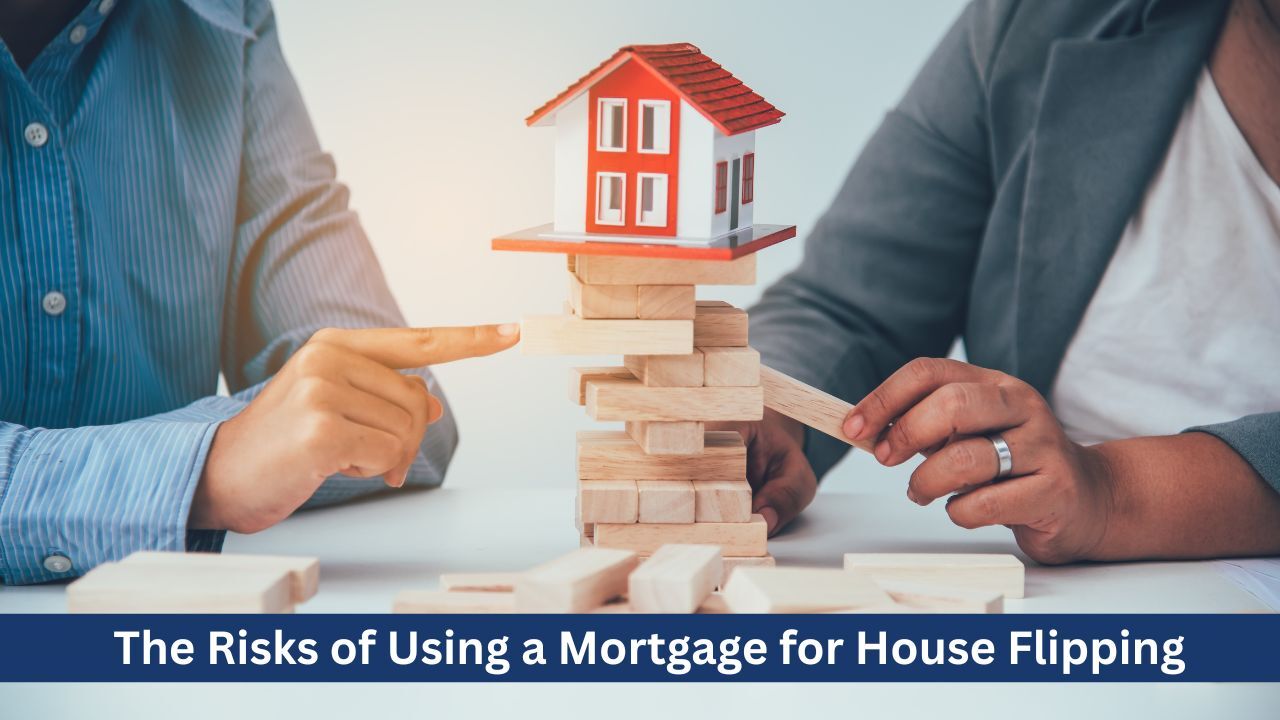 House flipping, the practice of buying a property, renovating it, and quickly selling it for a profit, can be an exciting and potentially lucrative investment strategy. However, financing a flip with a traditional mortgage carries significant risks that investors should carefully consider before proceeding.