CTeBockhorst's Blog

The Mortgage and Real Estate Scoop

  • Home
  • About
  • Blog
  • Resources
    • Calculators
    • Download My eGuide Today!
    • First Time Buyer Tips
    • First Time Seller Tips
    • Loan Checklist
    • Loan Process
    • Loan Programs
    • Home Appraisal
    • Home Inspection
    • What to Expect at a Loan Closing: A Step-by-Step Guide
  • Apply
  • Reviews
    • Read My Reviews
    • Zillow Reviews
    • Leave a Review
  • Contact

Cheers to New Beginnings and New Opportunities in 2025!

January 1, 2025 by Coleen TeBockhorst

As we step into 2025, I want to express my heartfelt gratitude to all my clients and those considering the journey to homeownership. A new year means fresh opportunities to turn your dreams into reality. Whether you’re planning to buy your first home, refinance, or invest in your future, I’m here to help every step of the way.

Let’s make this year the one where your goals come to life. Wishing you health, happiness, and success in 2025!


Filed Under: Holidays Tagged With: 2025 Goals, Happy New Year, New Year New Home

Looking Ahead to a New Year of Helping You Achieve Your Homeownership Dreams

December 31, 2024 by Coleen TeBockhorst

As we approach the end of this year, we can’t help but reflect on the incredible journey we’ve had together with all of you. This year has been filled with growth, new opportunities, and the realization of long-held dreams, whether it’s buying a new home, refinancing to secure a better rate, or exploring the best mortgage options available. We are honored to have played a part in helping so many of you achieve your homeownership goals.

As we look forward to the new year, we are excited to continue guiding you through the ever-evolving landscape of home financing. With the challenges and triumphs of the past year in mind, we are ready to face the future with renewed dedication, fresh insights, and a steadfast commitment to helping you find the best mortgage options for your unique situation.

A Year of Growth and Gratitude

We want to take a moment to express our heartfelt gratitude to each of you who trusted us with your mortgage needs. Whether you were a first-time homebuyer, someone looking to refinance, or a family in search of a construction loan, we are incredibly grateful for the opportunity to work with you. We’re thankful for the trust you’ve placed in us and the relationships we’ve built along the way.

In the past year, we’ve seen incredible resilience and adaptability from our clients. In a year filled with market shifts, rate changes, and economic fluctuations, you’ve shown us how important it is to be well-prepared and to have the right people by your side. Your patience, determination, and commitment to your goals have inspired us all, and we are proud to have been part of that journey.

As we move into the new year, we will continue to be here for you. Ready to offer guidance, answer questions, and provide the resources you need to make informed decisions about your home financing. From helping you navigate complex loan structures to securing the right type of mortgage for your needs, we are here to ensure you feel confident and well-informed every step of the way.

Here’s to a successful, prosperous, and exciting year ahead, we can’t wait to help you make your homeownership dreams a reality!

Filed Under: Holidays Tagged With: Homeownership Journey, Mortgage Goals, New Year New Home

What’s Ahead For Mortgage Rates This Week – December 30th, 2024

December 30, 2024 by Coleen TeBockhorst

With Christmas concluding the prior week, there were few reports other than Consumer Confidence, which had come in slightly below expectations. This should prove to have little impact, especially in the following week. With the New Year on the horizon, there are no reports other than the Chicago Manufacturing output report for the entire week. Happy Holidays!

Consumer Confidence

A post-election pop in consumer confidence fizzled at the end of the year, owing to worries about the U.S. stock market and a potentially higher cost of living as a result of new tariffs. The index of consumer confidence dropped 8.1 points to a three-month low of 104.7 in December, the privately run Conference Board said Monday.

Primary Mortgage Market Survey Index

• 15-Yr FRM rates saw an increase of 0.08% with the current rate at 6.00%
• 30-Yr FRM rates saw an increase of 0.13% with the current rate at 6.85%

MND Rate Index

• 30-Yr FHA rates saw an increase of 0.03% for this week. Current rates at 6.45%
• 30-Yr VA rates saw an increase of 0.03% for this week. Current rates at 6.46%

Jobless Claims

Initial Claims were reported to be 219,000 compared to the expected claims of 225,000. The prior week landed at 220,000.

What’s Ahead

Chicago PMI Report will be the only release for next week.

Filed Under: Financial Reports Tagged With: Financial Report, Jobless Claims, Mortgage Rates

How to Buy a Home if You Owe Taxes

December 27, 2024 by Coleen TeBockhorst

If you’re considering buying a home while dealing with unpaid taxes, you might be wondering how your tax debt affects your mortgage approval. The good news is, it is possible to buy a home even if you owe taxes. Here’s what you need to know about how owing taxes can impact your homebuying process.

How Owing the IRS Affects Buying a Home

You might not need to wait until your tax debt is completely paid off to apply for a mortgage. It’s important to speak with a loan officer who can guide you through your options based on your specific financial situation. If you’ve been paying off your tax debt through a payment plan, be sure to let your loan officer know and provide supporting documentation and proof of payment.

Getting a Mortgage While You Owe Taxes

While paying off your tax debt isn’t always required before getting a mortgage, there are specific qualifications for mortgages when you have unfiled taxes or a tax lien.

How to Qualify for a Mortgage with Unfiled Taxes

When applying for a mortgage, you’ll need to provide the last two years of your tax returns. If your taxes are unfiled, you’ll need to file an extension with the IRS or your state government to remain eligible.

How to Qualify for a Mortgage with a Tax Lien

A tax lien gives the government a legal claim to your property due to unpaid taxes. Federal and state liens typically need to be paid off before closing to qualify for a mortgage. The IRS releases the lien within 30 days after the tax debt is paid in full.

Exceptions to the Rule

In some cases, exceptions are made for tax liens if you have a payment plan in place. These exceptions depend on the type of loan program.

Conventional Home Loan Requirements

  • Fannie Mae (FNMA): Requires you to pay off all past-due taxes, including any tax liens, in full before closing. However, Fannie Mae allows installment plans unless there’s a Notice of Federal Tax Lien.
  • Freddie Mac (FHLMC): If you have a tax lien, Freddie Mac requires it to be paid off or be under a repayment plan for at least three months. Payment history must be documented and included in your debt-to-income ratio.

Government Home Loan Requirements

Government-backed loans (like VA, USDA, and FHA) have more flexibility but still require you to resolve your tax lien situation.

  • VA and USDA: You must pay off tax liens in full or have a repayment plan for at least three months.
  • FHA: If your tax liens are delinquent, they must be current or part of a written payment agreement that’s included in your debt-to-income ratio. You’ll need to make at least three months of timely payments.

Does Owing Taxes Affect Mortgage Approval?

Tax debt won’t automatically disqualify you from getting a mortgage, but paying off your debt will increase your chances of approval. If you can’t pay off your tax debt in full, request an installment agreement and ensure you’re making timely payments.

Filed Under: Tax Debts Tagged With: First Time HomeBuyer, Home Loan Advice, Tax Debt

Steps to Secure a Mortgage After Bankruptcy

December 26, 2024 by Coleen TeBockhorst

Experiencing bankruptcy can feel like a significant setback, but it doesn’t mean the end of your dream to own a home. With time, effort, and careful planning, you can rebuild your financial foundation and secure a mortgage. Here are some key steps to guide you through the process of buying a home after bankruptcy.

Step 1: Get a Professional Credit Assessment

After your bankruptcy is discharged, there is typically a waiting period before you can apply for a mortgage—usually two years for Chapter 7 bankruptcy and as little as one year for Chapter 13, depending on the loan type. Use this time to focus on improving your credit score.

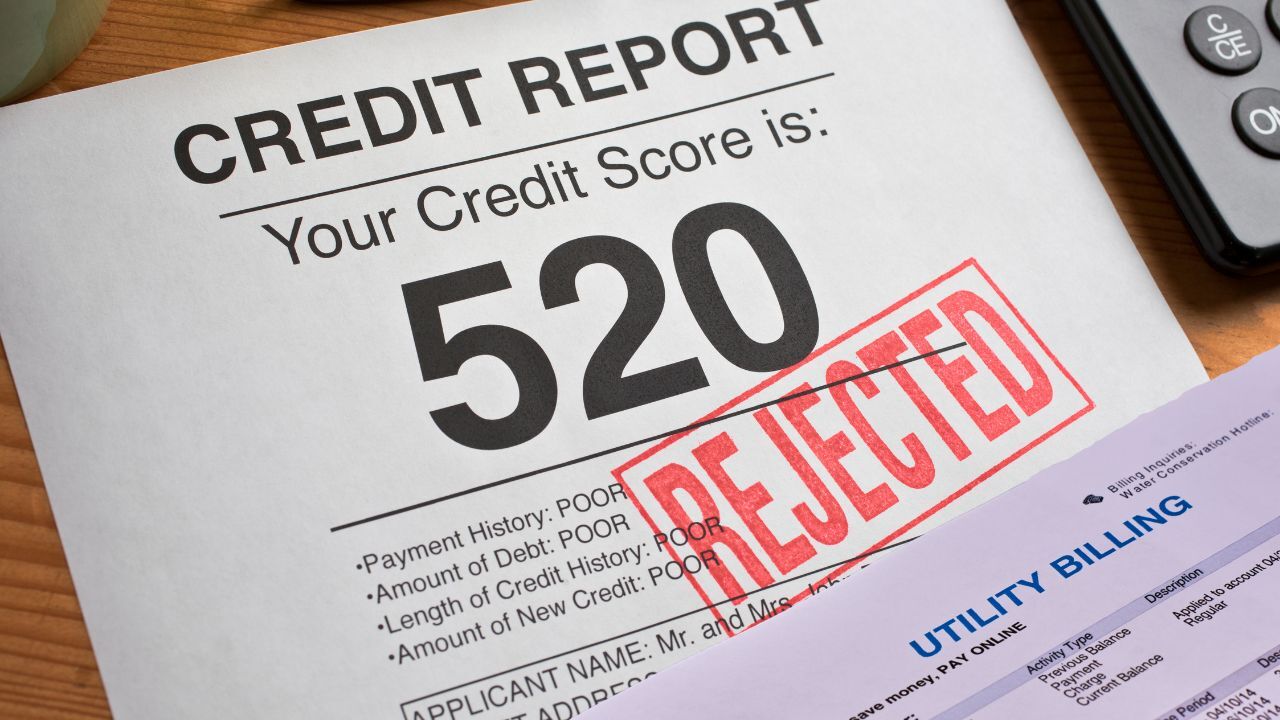
Your credit report will be closely scrutinized by lenders, so taking proactive steps to improve it is essential. The better your credit profile, the more likely you’ll be approved for a mortgage—and with better terms.

Step 2: Create and Stick to a Monthly Budget

Rebuilding financial stability after bankruptcy starts with creating a budget. A clear budget helps you manage your income and expenses, ensuring you don’t overextend yourself and remain on track toward homeownership.

Start by listing all your sources of income and subtracting your necessary expenses, such as housing, utilities, and groceries. Use budgeting tools like apps or spreadsheets to make tracking your finances easier. The goal is to allocate a portion of your income toward savings for a down payment and other home-buying costs.

Step 3: Save for a Down Payment

Saving for a down payment is one of the most critical steps in securing a mortgage after bankruptcy. A larger down payment reduces the lender’s risk and shows your commitment to the home-buying process.

The amount required for a down payment depends on the loan type and home price. Conventional loans often require around 20%, but some government-backed loans, like FHA loans, may allow down payments as low as 3.5%. Start saving as early as possible to meet your target amount.

A substantial down payment not only increases your chances of approval but may also qualify you for better interest rates and loan terms.

Step 4: Maintain Financial Discipline

Once your bankruptcy is discharged, maintaining strict financial discipline is crucial. Avoid unnecessary purchases, pay off any remaining debts, and refrain from opening new lines of credit.

Staying disciplined also helps improve your credit score over time, which is vital for qualifying for favorable loan terms and interest rates.

Step 5: Stay Positive and Patient

Rebuilding after bankruptcy is not an overnight process. It takes time, patience, and dedication to improve your financial health. However, by following these steps and staying committed to your goals, homeownership can become a reality.

Remember, your financial past does not define your future. With the right plan and support, you can move forward, secure a mortgage, and build a brighter future in the home of your dreams.

Filed Under: Bankruptcy History Tagged With: Credit Recovery, Home Buying Tips, Mortgage After Bankruptcy

Looking Ahead with Gratitude and Hope

December 25, 2024 by Coleen TeBockhorst

As the holiday season surrounds us with its warmth and cheer, we reflect on the incredible connections we’ve made this year. To our valued clients, whether we’ve worked together already or you’re considering partnering with us—thank you for trusting us to be part of your journey.

This season is not only a time for celebration but also a moment to appreciate the opportunities ahead. We’re truly grateful for the chance to help you achieve your dreams, whether it’s finding the perfect home or planning for a brighter financial future.

As we step into the new year, we’re filled with hope and excitement for what’s to come. May this holiday season bring you peace, joy, and cherished moments with loved ones. Here’s to a wonderful year ahead filled with growth, opportunity, and success!

Happy Holidays and best wishes for a prosperous New Year!

Filed Under: Holidays Tagged With: Holiday Gratitude, New Year New Goals, Thank You For Trusting Us

When Will Refinancing Pay Off? Calculating Your Break-Even Point

December 24, 2024 by Coleen TeBockhorst

Refinancing can help homeowners save money, but it’s essential to determine if the potential savings outweigh the upfront costs. One key tool in making this decision is calculating the refinance break-even point. This simple calculation reveals how long it will take for your monthly savings to cover the costs of refinancing. Here’s everything you need to know about determining when refinancing will pay off.

What Is the Refinance Break-Even Point?

The refinance break-even point is the time it takes for the savings from lower monthly payments to equal the total costs of refinancing, such as closing fees and other expenses.

For example, if your closing costs are $4,000 and you save $200 per month, your break-even point is 20 months.

If you plan to stay in your home beyond the break-even point, refinancing can offer substantial long-term savings.

How to Calculate Your Break-Even Point

  1. Determine the Total Costs of Refinancing
    Refinance costs typically include:
    • Loan origination fees
    • Appraisal fees
    • Title search fees
    • Attorney fees

These costs generally amount to 2-6% of the loan amount.

  1. Calculate Monthly Savings
    Subtract your new monthly mortgage payment from your current one. For example, if your current payment is $1,500 and your new payment is $1,300, your monthly savings are $200.
  2. Divide Closing Costs by Monthly Savings
    Use this formula:
    Break-Even Point = Total Closing Costs ÷ Monthly Savings
    Example: If your closing costs are $4,000 and your monthly savings are $200, your break-even point is 20 months.

Factors That Influence Your Break-Even Point

Several factors affect how quickly you reach your break-even point:

  • Interest Rates: A larger rate drop leads to higher monthly savings, shortening the break-even time.
  • Loan Term: Shortening your term may delay the break-even point but reduce long-term interest costs, while extending it may lower monthly payments and speed up the break-even time.
  • Closing Costs: Higher closing costs lengthen the time it takes to recoup your expenses.
  • Loan Amount: Larger loan amounts tend to offer greater savings potential with lower rates.

When Does Refinancing Make Sense?

Refinancing might be a good choice if:

  • You plan to stay in your home for several years.
  • You can secure a significantly lower interest rate.
  • You want to switch from an adjustable-rate mortgage (ARM) to a fixed-rate mortgage (FRM).
  • You want to lower your monthly payments or pay off your loan faster.
  • You need to access home equity with a cash-out refinance.

Common Mistakes When Calculating the Break-Even Point

To ensure accurate calculations, avoid these common pitfalls:

  • Forgetting to include property taxes, homeowners insurance, or mortgage insurance in your calculations.
  • Failing to align refinancing with your broader financial goals.
  • Overestimating how long you’ll stay in your current home.

The Long-Term Benefits of Refinancing

Once you pass the break-even point, the monthly savings from refinancing can add up to significant financial benefits, potentially saving you thousands over the life of the loan. However, resetting your loan term may extend repayment time, so it’s essential to weigh the pros and cons.

Filed Under: Mortagage Tips Tagged With: Home Finances, Mortgage Refinance, Smart Savings

What’s Ahead For Mortgage Rates This Week – December 23rd, 2024

December 23, 2024 by Coleen TeBockhorst

The rate cut by the Federal Reserve was hotly anticipated, and as predicted, they proceeded with the reduction, signaling the possibility of further cuts depending on inflation data. Although markets were generally receptive to the positive news, other government-related issues had dampened the high spirits temporarily. Outside of the rate decision, the PCE Index (the Federal Reserve’s preferred inflation indicator) has performed positively by beating the forecast. In addition, the Consumer Sentiment was exactly where it should be as expected.

PCE Index

The PCE index increased a scant 0.1% last month, the government said Friday. That’s the smallest rise in three months and just half as much as economists polled by The Wall Street Journal predicted. The barometer of U.S. inflation favored by the Federal Reserve rose more slowly than expected in November, breaking what appears to be a gradual drift higher in prices that forced the central bank to scale back plans to cut interest rates.

FOMC Rate Decision

The Federal Reserve on Wednesday cut interest rates by a quarter point, the third rate cut since it began to lower borrowing costs in September. The central bank’s latest move leaves its benchmark lending rate at a range of 4.25%-4.5%, a two-year low.

Primary Mortgage Market Survey Index

• 15-Yr FRM rates saw an increase of 0.08% with the current rate at 5.92%
• 30-Yr FRM rates saw an increase of 0.12% with the current rate at 6.72%

MND Rate Index

• 30-Yr FHA rates saw an increase of 0.10% for this week. Current rates at 6.42%
• 30-Yr VA rates saw an increase of 0.10% for this week. Current rates at 6.43%

Jobless Claims

Initial Claims were reported to be 242,000 compared to the expected claims of 220,000. The prior week landed at 224,000.

What’s Ahead

With an extremely light release schedule ahead of Christmas, the jobs release data will be the only important release.

Filed Under: Financial Reports Tagged With: Financial Report, Jobless Claims, Mortgage Rates

Does Your Home Loan Have a Prepayment Penalty?

December 20, 2024 by Coleen TeBockhorst

Buying a home is a huge milestone, and the excitement of closing can lead many buyers to quickly accept any mortgage offer without fully understanding its terms. One important detail to watch for is whether your mortgage includes a prepayment penalty. This fee can be an unwelcome surprise, so it’s crucial to know what you’re signing up for before finalizing your loan.

What is a Prepayment Penalty?
A prepayment penalty is a fee that some lenders charge if a borrower pays off their mortgage within a specified period, typically during the first two to five years. Though less common, some loans still include this clause. The lender charges the penalty to recoup the loss of expected interest from the loan. Prepayment penalties can apply whether you refinance or sell your home, so understanding the conditions of this fee before signing is essential.

How to Determine if You Have a Prepayment Penalty
Don’t wait until the closing process to ask about a prepayment penalty. Review your loan estimate thoroughly after pre-approval. While prepayment penalties are more typical with certain loans, always read the fine print. If anything seems unclear or if there’s a discrepancy between what you’re told and what’s on paper, reach out to your loan officer for clarification.

What Can You Do About It?
If you find out that your loan includes a prepayment penalty, you still have options. For some borrowers, the penalty isn’t a concern, especially if they plan to stay in the home long-term and don’t expect to refinance soon. Sometimes, agreeing to the penalty can lower your interest rate or closing costs.

However, if you foresee moving or refinancing within a few years, this fee could be problematic. In that case, try negotiating with your lender to remove or reduce the penalty. If that doesn’t work, consider shopping around for another lender who offers better terms.

A prepayment penalty can significantly impact your mortgage, but understanding it upfront allows you to make informed decisions. If you do encounter this fee, negotiation and comparison shopping could help you secure more favorable loan terms for your dream home.

Filed Under: Real Estate Tips Tagged With: Home Loan Tips, Prepayment Penalty , Real Estate Tips

What If My Mortgage Pre-Approval Expires?

December 19, 2024 by Coleen TeBockhorst

A mortgage pre-approval is one of the most valuable tools in your homebuying journey. It’s not just a letter stating how much you’re qualified to borrow; it’s a written commitment from your lender that assures sellers you have the financial backing to make a competitive offer.

Having a pre-approval letter in hand can give you a significant advantage in a competitive housing market, signaling to sellers that you’re serious, financially prepared, and ready to move forward.

However, like many things in life, pre-approval letters have an expiration date. If you don’t find your dream home before that date passes, you may be wondering what your next steps should be.

When Does Pre-Approval Expire?

Pre-approval letters typically expire within 60 to 90 days from the date they are issued. The exact expiration period depends on your lender and personal financial situation. A variety of factors may contribute to the expiration of your pre-approval, including changes in your credit, income, or debt. It’s important to stay mindful of the expiration date so you can plan ahead and ensure you’re still on track for purchasing the home of your dreams.

What Happens If You Don’t Use Your Pre-Approval?

It’s important to remember that just because your pre-approval expires doesn’t mean your home search is over. If you haven’t yet found the right property, or if the market has been particularly competitive, don’t be discouraged.

If your pre-approval expires, all you need to do is refresh it. This is a common step in the homebuying journey and is relatively simple to do. You’ll need to provide updated documentation—such as your most recent bank statements, pay stubs, or any changes to your financial situation—to ensure your pre-approval remains accurate and valid. This allows the lender to reassess your qualifications and ensure you still meet the necessary requirements for a mortgage.

Steps to Take When Your Pre-Approval Expires

  1. Contact Your Loan Officer
    • The first step is to reach out to your loan officer as soon as your pre-approval is about to expire. They’ll be able to guide you through the process of renewing your pre-approval and make sure everything is up to date.
    • Be open and transparent with your loan officer about any changes in your financial or employment situation that might affect your application. This could include a new job, a change in income, or any other significant financial adjustments.
  2. Update Financial Documents
    • Your lender will need to verify your current financial situation before issuing a new pre-approval. To do this, you’ll need to provide your most recent bank statements, pay stubs, tax returns, or other requested materials.
    • These updates will allow the lender to reassess your qualifications and determine if you still meet the criteria for your desired loan program. The more timely and accurate your documents are, the faster the process will go.
  3. Obtain a New Pre-Approval
    • After reviewing your updated documents, your loan officer will issue a new pre-approval letter, which will have an updated expiration date. This new letter will enable you to continue your house-hunting journey with confidence.
    • Keep in mind that your new pre-approval will reflect your current financial standing, so it’s important to stay on top of any changes that could impact your mortgage application.

Filed Under: Home Mortgage Tips Tagged With: Home Buying Tips, Mortgage Pre Approval, Pre-Approval Process

« Previous Page
Next Page »

Contact Coleen

Coleen Tebockhorst

Coleen TeBockhorst
coleen.tebockhorst@citywidehm.com

Senior Loan Officer

Call me! (612) 701-8512

NMLS #274205

Download My Mortgage eGuide today

CW Home Mortgage logo_White

Guaranteed Rate, Inc. DBA Citywide Home Mortgage

Categories

Our Location

10591 165th St. West
Lakeville MN, 55044

Connect With Me

This site is not authorized by the New York State Department of Financial Services. No mortgage loan applications for properties located in New York will be accepted through this site. Operating in the state of California as Guaranteed Rate, Inc. D/B/A Citywide Home Mortgage. If you are a California resident, please review our Privacy Policy to learn more about the categories and business purpose of personal information we may collect and your right to opt-out from the sale of personal information.

Applicant subject to credit and underwriting approval. Not all applicants will be approved for financing. Receipt of application does not represent an approval for financing or interest rate guarantee. Refinancing your mortgage may increase costs over the term of your loan. Restrictions may apply. All information provided in this publication is for informational and educational purposes only, and in no way is any of the content contained herein to be construed as financial, investment, or legal advice or instruction. Citywide Home Mortgage does not guarantee the quality, accuracy, completeness or timelines of the information in this publication. While efforts are made to verify the information provided, the information should not be assumed to be error-free. Some information in the publication may have been provided by third parties and has not necessarily been verified by Citywide Home Mortgage. Citywide Home Mortgage, its affiliates and subsidiaries do not assume any liability for the information contained herein, be it direct, indirect, consequential, special, or exemplary, or other damages whatsoever and howsoever caused, arising out of or in connection with the use of this publication or in reliance on the information, including any personal or pecuniary loss, whether the action is in contract, tort (including negligence) or other tortious action.

Coleen TeBockhorst NMLS ID: 274205 Copyright © 1998-2025 Guaranteed Rate, Inc. D/B/A Citywide Home Mortgage. All rights reserved.

For licensing information, go to: www.nmlsconsumeraccess.org.

NMLS License #2611 – 3940 N Ravenswood Chicago, IL 60613. (866) 508-5515. Equal Housing Lender.

Licensing | Privacy | Terms of Use

Copyright © 2026 · Powered by MySMARTblog

Copyright © 2026 · Genesis Sample Theme on Genesis Framework · WordPress · Log in