 The inflation data report released last week showed a surprising result—it was cooler than expected across the board. This has led to a much more positive outlook, even in light of recent events regarding the Trump administration. While consumer sentiment reports from the University of Michigan still showed more dissatisfaction than expected, they were accompanied by largely positive data across various releases. There are strong expectations that there will be no interest rate increases, with some potential for rate cuts this year.
Consumer Price Index
The consumer price index increased a mild 0.2% last month, the government said, breaking a string of elevated inflation readings since November. The rate of inflation in the past 12 months fell to 2.8% from 3.0% in January. It had slowed to as low as 2.4% early last fall before a rebound in inflation toward the end of 2024.
Producer Price Index
The flat reading in the producer-price index — helped by lower energy costs — came in under expectations. Economists polled by the Wall Street Journal had forecast a 0.3% increase. The last time the producer-price index showed so little inflation was in July. The rate of wholesale inflation in the past 12 months, meanwhile, dropped to 3.2% from a one-year high of 3.7% in January.
Consumer Sentiment
The burst of optimism following Donald Trump’s presidential election victory has evaporated. A new survey shows that Americans are worried about rising inflation due to the president’s tariffs and are unsettled by the uncertainty in Washington. According to the University of Michigan, consumer sentiment fell to a 29-month low of 57.6 in March, down from 64.7 in the previous month.
Primary Mortgage Market Survey Index
• 15-Yr FRM rates saw an increase of 0.01% with the current rate at 5.80%
• 30-Yr FRM rates saw an increase of 0.02% with the current rate at 6.65%
MND Rate Index
• 30-Yr FHA rates saw an increase of 0.11% for this week. Current rates at 6.28%
• 30-Yr VA rates saw an increase of 0.10% for this week. Current rates at 6.30%
Jobless Claims
Initial Claims were reported to be 220,000 compared to the expected claims of 225,000. The prior week landed at 220,000.
What’s Ahead
The FOMC is making it’s next rate decision in the upcoming week on Wednesday. There are a number of smaller data releases surrounding the rate decision, but largely all eyes are on the rate decision.
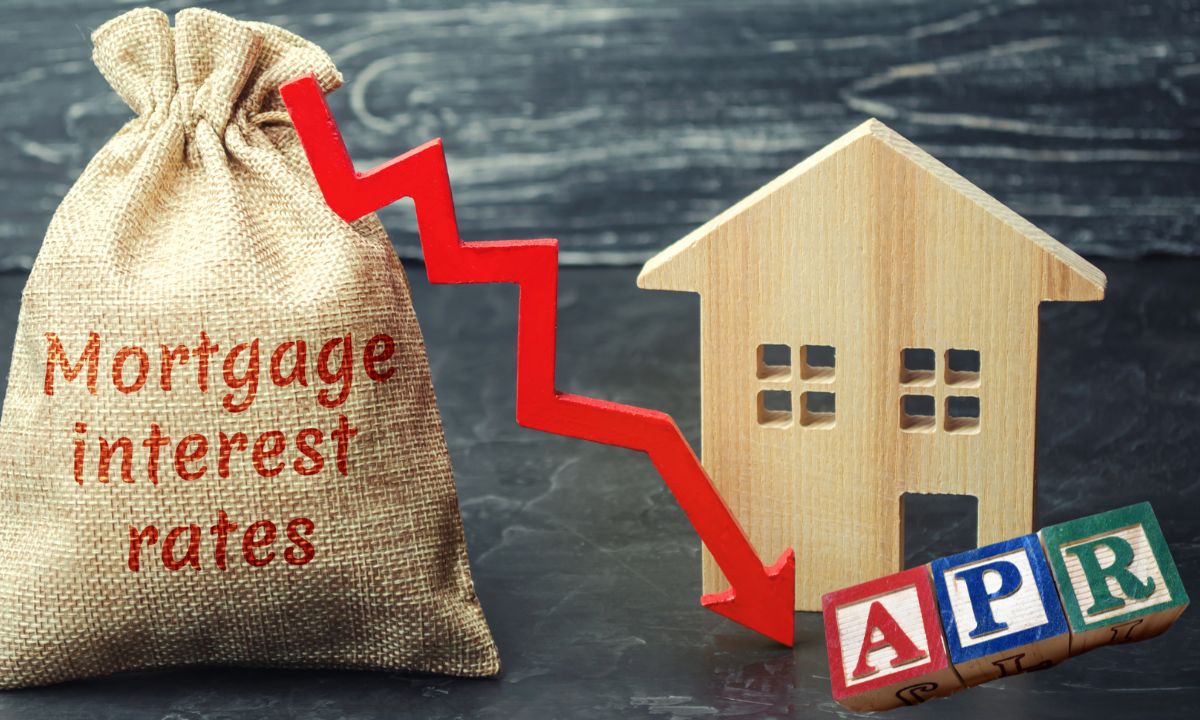 If you’re gearing up to dive into the world of real estate, there are a few key terms you’ll want to wrap your head around before taking the plunge. Today, we’re demystifying APR and interest rate, two crucial concepts that can impact your home-buying journey. Don’t worry, I’ll break it down in simple terms so you can confidently navigate the process like a pro.
 Creative financing can be an attractive option for sellers, especially those with significant equity. One popular approach is carrying back a second mortgage, where the seller effectively becomes a lender to help the buyer complete the purchase. While this can be a beneficial arrangement, it’s essential to understand the risks and the protections available, particularly regarding lender’s title insurance.
 Owning a home is an important goal for many people, and as a single mom, it can sometimes feel like a distant dream. But the reality is that homeownership is more achievable than you might think, especially when you know about the financial resources and programs available to you. First-time homebuyer grants, special loan programs, and down payment assistance can help you overcome the financial barriers that might otherwise stand in your way. Here’s what single moms should know about these opportunities.
 While the data releases were plentiful, many are made less significant in consideration of the current disruption with the administration and the oncoming inflation data reports with the CPI and PPI arriving next week. The largest and most noteworthy report this time is the Job Report numbers, which will help give a clearer idea on the state of the job market. With the mass federal layoffs, there is much uncertainty, but the labor market is still holding up in light of things. The most pressing data to be released is the predictions for GDP, which has shown to have shown a deflationary value. As long as the inflation data remains consistent then there is little chance the Federal Reserve will consider increasing the interest rates once again. The silver lining in all the reports is the Manufacturing PMI data is noting that the manufacturing sector is still showing strong growth.
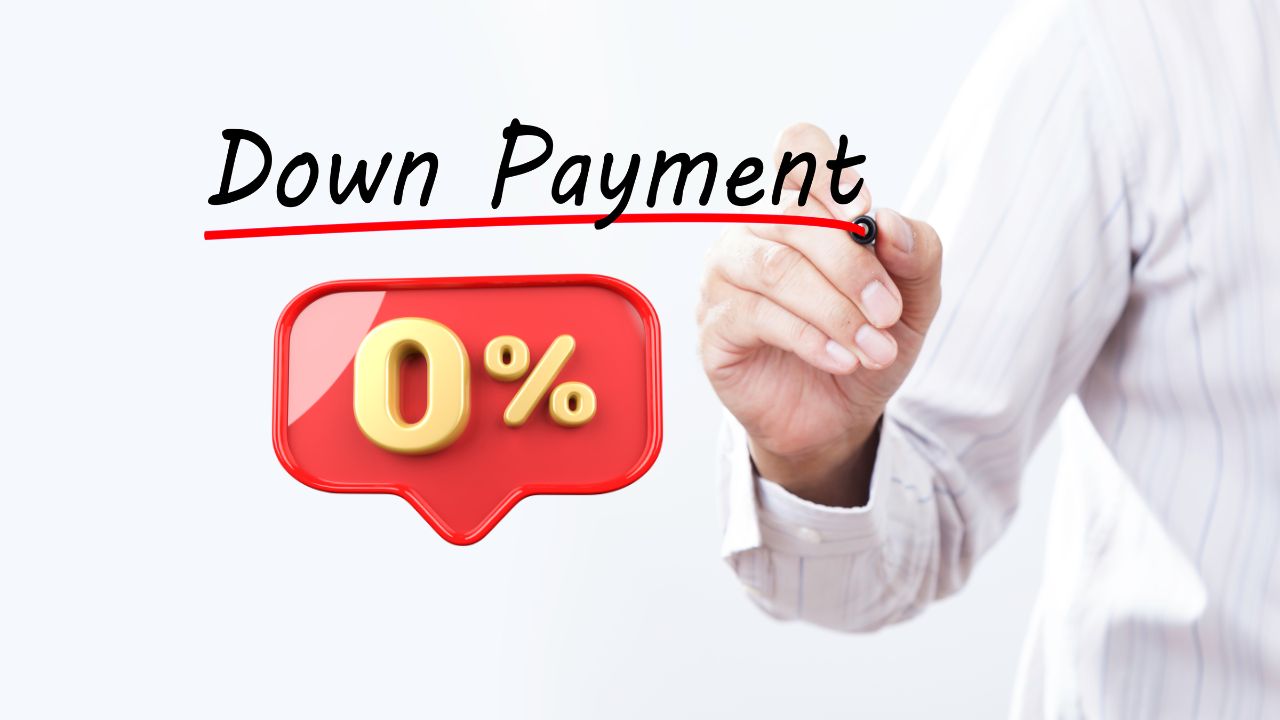 Buying a home without a down payment is possible, but it requires exploring the right loan programs and financial assistance options. While lenders have tightened their requirements since the 2008 housing crisis, there are still ways to achieve homeownership with little to no upfront cash.
 When buying a home or refinancing, comparing mortgage options can make a significant financial difference. Many borrowers assume that the first loan offer they receive is the best one, but taking the time to explore multiple lenders can lead to substantial savings.
 Knowing how to calculate mortgage payments can help you plan for homeownership and budget effectively. Several factors determine your monthly payment, including the loan amount, interest rate, and loan term. Here’s a step-by-step guide to understanding the process.
 If you have a reverse mortgage, you may be wondering whether refinancing is an option. The good news is that yes, you can refinance a reverse mortgage, and doing so may offer financial benefits depending on your situation. Here’s what you need to know about refinancing, including reasons to consider it, eligibility requirements, costs, and key factors to keep in mind.