CTeBockhorst's Blog

The Mortgage and Real Estate Scoop

  • Home
  • About
  • Blog
  • Resources
    • Calculators
    • Download My eGuide Today!
    • First Time Buyer Tips
    • First Time Seller Tips
    • Loan Checklist
    • Loan Process
    • Loan Programs
    • Home Appraisal
    • Home Inspection
    • What to Expect at a Loan Closing: A Step-by-Step Guide
  • Apply
  • Reviews
    • Read My Reviews
    • Zillow Reviews
    • Leave a Review
  • Contact

An Overview Of Umbrella Insurance: How It Works

September 26, 2024 by Coleen TeBockhorst

An Overview Of Umbrella Insurance: How It WorksAccidents can happen from time to time, which is why it is important for people to have insurance. While you might be able to fix some accidents on your own, others can lead to a significant amount of financial stress. This is why people must have insurance. Insurance is supposed to help individuals and families pay for catastrophic expenses; however, what happens if the insurance policy is not big enough to cover the expenses? That is where umbrella insurance can be helpful. What is umbrella insurance, and how does it work? Learn more about how umbrella insurance might be able to help you.

Umbrella Insurance: A Definition

Umbrella insurance provides extra liability that goes above and beyond the limits of other existing policies. If the policyholder is at-fault for damages and the existing insurance policies are not enough to cover the damages, the umbrella insurance kicks in. In addition, umbrella insurance provides coverage for other items, such as legal fees, that other policies might not cover. Umbrella insurance can cover a wide range of issues that could provide important financial protection.

What Does Umbrella Insurance Cover?

Umbrella insurance acts as a fail-safe to protect you and your family against lawsuits that are directly related to accidents that could result in a personal injury lawsuit. Furthermore, umbrella insurance can cover landlord liability, defamation, and a number of other tricky financial situations, depending on how your policy is structured. Your umbrella policy will have a liability limit; however, your policy might continue to cover associated legal costs above that specific limit, depending on the wording of your policy. Because details and exclusions can vary between policies, you should ask a professional for help if you have questions.

What Umbrella Insurance Does Not Cover

Unlike some insurance policies, umbrella insurance will not cover the damages and injuries of the policyholder. This means that if you sustain property damage, your umbrella insurance policy might not cover this. In addition, there are limits to umbrella insurance with respect to breach of contract cases. Finally, umbrella insurance also does not cover intentional acts or criminal issues. It is critical to read the policy carefully to understand what is covered and what is not.

Filed Under: Mortgage Tagged With: Mortgage, Protecting Your Assets, Umbrella Insurance

Eco-Friendly Homes for a Sustainable Tomorrow

September 25, 2024 by Coleen TeBockhorst

In recent years, the concept of eco-friendly homes has gained significant traction, and for good reason. As awareness of environmental issues grows, more homeowners are seeking ways to minimize their carbon footprint while also reaping the benefits of sustainable living. We will discuss the world of eco-friendly homes, exploring their sustainable features and the potential cost savings they offer. From solar panels to energy-efficient appliances, there’s a plethora of options available to conscientious homeowners looking to make a positive impact on the planet.

The Positives of Eco-Friendly Homes

Reduced Energy Consumption: One of the primary benefits of eco-friendly homes is their reduced energy consumption. Features such as solar panels, energy-efficient appliances, and LED lighting help homeowners minimize their reliance on traditional energy sources, ultimately lowering utility bills and decreasing their carbon footprint.

Improved Indoor Air Quality: Eco-friendly homes often incorporate materials and systems designed to enhance indoor air quality. From low-VOC paints to natural ventilation systems, these features contribute to a healthier living environment, reducing the risk of respiratory problems and allergies.

Long-Term Cost Savings: While the upfront costs of implementing eco-friendly features in a home may be higher than traditional options, the long-term cost savings can be substantial. Energy-efficient appliances, for example, consume less electricity, leading to lower utility bills over time. Additionally, features like rainwater harvesting systems can reduce water expenses in the long run.

Enhanced Resale Value: As the demand for eco-friendly homes continues to rise, properties with sustainable features often command higher resale values. Potential buyers are increasingly prioritizing sustainability, making eco-friendly upgrades a wise investment for homeowners looking to maximize their property’s value.

The Challenges of Eco-Friendly Homes

Higher Initial Costs: One of the main challenges of eco-friendly homes is the higher initial costs associated with implementing sustainable features. From solar panels to green roofing systems, these upgrades often require a significant upfront investment, which can deter some homeowners, particularly those on a tight budget.

Limited Availability of Materials and Technologies: While eco-friendly building materials and technologies are becoming more widely available, they may still be less accessible or more expensive than their conventional counterparts in some regions. This limited availability can pose a challenge for homeowners looking to incorporate sustainable features into their homes.

Maintenance Requirements: Some eco-friendly features, such as green roofs and rainwater harvesting systems, may require additional maintenance compared to traditional options. Regular upkeep is essential to ensure optimal performance and longevity, which can be a consideration for homeowners with busy lifestyles.

Potential Aesthetic Limitations: In some cases, incorporating eco-friendly features into a home’s design may pose aesthetic challenges. For example, solar panels and rainwater barrels may alter the visual appearance of a property, which could be a concern for homeowners who place a premium on curb appeal.

Eco-friendly homes offer a multitude of benefits, from reduced energy consumption to improved indoor air quality. While there are challenges to overcome, such as higher initial costs and maintenance requirements, the long-term advantages far outweigh the drawbacks. By embracing sustainability in home design and construction, homeowners can not only reduce their environmental impact but also enjoy significant cost savings and enhance the value of their properties. In the quest for a greener future, eco-friendly homes are leading the way towards a more sustainable tomorrow.

Filed Under: Homebuyer Tips Tagged With: Eco-Friendly Homes, Home Buying, Reduced Energy Consumption

Tips and Insights on Home Buying with Bad Credit

September 24, 2024 by Coleen TeBockhorst

When thinking about homeownership, a perfect credit score often seems like the golden ticket. But what if your credit history isn’t picture-perfect? Don’t worry; buying a home with bad credit is still within reach. With careful planning and strategic moves, you can turn your dream of homeownership into a reality. Here are some valuable tips and insights to guide you through the process:

1. Know Your Credit Score Inside Out

Before plunging into the homebuying journey, arm yourself with knowledge about your credit score. Request a copy of your credit report from all three major credit bureaus—Equifax, Experian, and TransUnion. Review these reports thoroughly to identify any errors or discrepancies that could be dragging your score down. Rectifying inaccuracies can give your credit score a significant boost.

2. Understand Your Options

Having bad credit doesn’t necessarily mean you’re out of options. Research various home loan programs tailored for individuals with less-than-perfect credit. FHA (Federal Housing Administration) loans, for instance, are accessible to borrowers with credit scores as low as 500 with a 10% down payment or 580 with a 3.5% down payment. Keep in mind that the FHA sets this limit, but individual lenders may require a higher score. Explore alternative lenders or credit unions that might offer more flexibility in lending criteria.

3. Build Up Your Savings

While a hefty down payment can mitigate the impact of bad credit, it’s not the only financial aspect to consider. Lenders often scrutinize your savings and assets to gauge your financial stability. Prioritize building up your savings to demonstrate your ability to handle homeownership responsibilities. Aim to have a healthy emergency fund in place to cover unexpected expenses post-purchase.

4. Consider a Co-Signer or Joint Application

If your credit score falls below the lender’s threshold, consider enlisting the help of a co-signer with a stronger credit profile. A co-signer essentially guarantees the loan and shares responsibility for repayment. Alternatively, explore joint applications with a spouse, partner, or family member to combine incomes and improve your overall financial standing in the eyes of lenders.

5. Improve Your Credit Score Before Applying

Patience can be a powerful tool in your homeownership journey. Take proactive steps to improve your credit score before applying for a mortgage. Pay down existing debts, make timely payments on all bills, and avoid opening new lines of credit. These actions demonstrate financial responsibility and can lead to a gradual increase in your credit score over time.

While bad credit may present challenges on the path to homeownership, it’s not an impossible obstacle. Armed with knowledge, determination, and strategic planning, you can navigate the homebuying process with confidence. Remember, the journey to owning your dream home may have its twists and turns, but with perseverance and the right approach, you can turn your homeownership dreams into reality. Give us a call today to see how we can help!

Filed Under: Home Buyer Tips Tagged With: Bad Credit, Homebuying Tips, Mortgage

What’s Ahead For Mortgage Rates This Week – September 23rd, 2024

September 23, 2024 by Coleen TeBockhorst

The long-awaited week has come and within expectations, the Federal Reserve has decided to reduce interest rates for central banks by 50 basis points. This is the bigger of the two options for a rate cut, with the lesser being 25 basis points. The impact of this cannot be understated as this gives an official nod that the economy is in a good spot and inflation is under control, according to the Federal Reserve’s outlook on the data. The only black mark on the week of releases is the U.S. Leading Economic Indicators showing the economy has been in a slower trend for the past 6 months. The Federal Reserve, despite the rate cut, has continued to remain hard in its stance about not cutting rates too quickly. This will likely depend on future data.

Federal Reserve Rate Decision

The Federal Reserve cut its policy interest rate by half a percentage point on Wednesday, a more aggressive move than many economists expected. The central bank opted to start “with a bang,” said Paul Ashworth, chief North America economist at Capitol Economics.

U.S. Economic Indicators

The leading indicators for the U.S. economy sank 0.2% in August, the privately run Conference Board said Thursday. That is the sixth straight monthly decline. The index fell 0.6% in July. The leading index is a composite of 10 forward-looking components designed to show whether the economy is in danger of falling into recession and where the economy is headed in the near term.

Primary Mortgage Market Survey Index

  • 15-Yr FRM rates saw a decrease of –0.12% with the current rate at 5.15%
  • 30-Yr FRM rates saw a decrease of -0.11% with the current rate at 6.09%

MND Rate Index

  • 30-Yr FHA rates saw a 0.02% increase for this week. Current rates at 5.70%
  • 30-Yr VA rates saw a 0.03% increase for this week. Current rates at 5.72%

Jobless Claims

Initial Claims were reported to be 219,000 compared to the expected claims of 229,000. The prior week landed at 231,000.

What’s Ahead

Following the rate decision, we have another important inflation report with the PCI Price Index, the Federal Reserve’s preferred inflation indicator, which is followed up by the GDP Estimates for the year. Consumer Confidence should also play a role, albeit a much smaller one.

Filed Under: Financial Reports Tagged With: Financial Report, Jobless Claims, Mortgage Rates

Beware of Credit Report Scams: Essential Tips to Protect Your Financial Information

September 20, 2024 by Coleen TeBockhorst

Introduction

Credit reports play a crucial role in your financial health, influencing everything from loan approvals to interest rates. Unfortunately, scammers know this and are increasingly targeting individuals with fraudulent schemes related to credit reports. In this post, we’ll explore the common types of credit report scams, how they work, and most importantly, how you can protect yourself from falling victim.

1. Understanding Credit Report Scams

Credit report scams come in various forms, but the goal is always the same: to steal your personal information or money. Scammers may pose as legitimate credit bureaus, lenders, or even government agencies to trick you into providing sensitive details. Here are some common types of credit report scams:

  • Phishing Scams: These scams involve fraudulent emails, texts, or calls that appear to be from legitimate credit reporting agencies. They often ask you to “verify” your personal information by clicking a link, which leads to a fake website designed to steal your details.
  • Fake Credit Report Offers: Scammers may offer free credit reports or credit monitoring services to lure you in. Once you provide your personal information, they use it for identity theft or sell it to other criminals.
  • Credit Repair Scams: These scams promise to fix your credit score quickly or remove negative information from your credit report for a fee. In reality, they do nothing to improve your credit and often leave you worse off financially.
  • Impersonation Scams: Scammers may call or email you pretending to be from a legitimate credit bureau, offering to “correct” issues on your credit report for a fee. They may ask for your Social Security number, credit card information, or other sensitive data.

2. How to Spot a Credit Report Scam

Recognizing the signs of a credit report scam can help you avoid becoming a victim. Here are some red flags to watch out for:

  • Unsolicited Contact: Be cautious if you receive an unexpected email, text, or call asking for personal information. Legitimate credit bureaus will not ask for sensitive details through these methods.
  • Too Good to Be True Offers: Be wary of offers that promise to fix your credit quickly or provide free credit reports. Always verify the legitimacy of the offer before providing any information.
  • Pressure Tactics: Scammers often use high-pressure tactics to make you act quickly. They may claim that your credit is in danger or that you’ll miss out on an important opportunity if you don’t respond immediately.
  • Requests for Sensitive Information: Be suspicious if you’re asked to provide your Social Security number, bank account details, or credit card information. Legitimate organizations will not ask for this information unsolicited.

3. How to Protect Yourself from Credit Report Scams

Taking proactive steps can help you protect yourself from credit report scams. Here’s how:

  • Use Official Websites: Always access your credit reports through official websites like AnnualCreditReport.com, which is the only source authorized by federal law to provide free credit reports.
  • Monitor Your Credit Regularly: Keep an eye on your credit report for any suspicious activity. You’re entitled to a free credit report from each of the three major credit bureaus—Equifax, Experian, and TransUnion—every 12 months.
  • Be Cautious with Personal Information: Never provide your personal or financial information in response to unsolicited emails, calls, or texts. If you’re unsure about a request, contact the organization directly using a verified phone number or website.
  • Enable Fraud Alerts: Consider placing a fraud alert on your credit report. This alerts potential creditors to verify your identity before opening new accounts in your name.
  • Report Suspicious Activity: If you believe you’ve been targeted by a scam, report it to the Federal Trade Commission (FTC) and your state’s attorney general. You should also contact the credit bureaus to place a fraud alert or freeze on your credit report.

4. What to Do If You’ve Fallen Victim

If you’ve already fallen victim to a credit report scam, it’s essential to act quickly to minimize the damage:

  • Contact the Credit Bureaus: Immediately place a fraud alert or credit freeze on your reports. This will help prevent further unauthorized access to your credit.
  • Monitor Your Accounts: Keep a close eye on your bank accounts and credit card statements for any suspicious activity. Report any unauthorized transactions to your financial institutions.
  • File a Report: Report the scam to the FTC and your local law enforcement agency. This can help prevent others from becoming victims.
  • Consider Identity Theft Protection: If your personal information has been compromised, consider enrolling in an identity theft protection service. These services can monitor your credit and alert you to any suspicious activity.

Conclusion

Credit report scams are becoming increasingly sophisticated, but you can protect yourself by staying informed and vigilant. Always verify the legitimacy of any contact related to your credit report and never provide personal information unless you’re certain it’s safe. For personalized advice and to explore your mortgage options, contact Coleen TeBockhorst at Bay Equity Home Loans. Our team is here to help you navigate the complexities of credit and home financing.

Contact Information:

  • Phone: 612-701-8512
  • Email: Coleen@ColeenTeBockhorst.com
  • Website: Bay Equity Home Loans
  • Facebook: Coleen TeBockhorst

Call to Action

Stay informed and protect your financial health by following our blog and social media channels. Share this post with anyone who might benefit from learning about credit report scams and how to avoid them!


Filed Under: Mortgage Tips Tagged With: #CreditReportScams #ProtectYourCredit #IdentityTheftPrevention #FinancialSafety

Understanding Hidden and Non-Hidden Mortgage Fees

September 20, 2024 by Coleen TeBockhorst

When navigating the mortgage process, understanding the various fees involved is crucial for accurate financial planning. Mortgages come with a range of fees, some of which are clearly outlined and others that may not be immediately obvious. We will explore both hidden and non-hidden mortgage fees, providing insights into how they impact the total cost of your loan.

Non-Hidden Mortgage Fees

Non-hidden fees are those that are clearly outlined in your loan agreement and are typically part of the initial cost of securing a mortgage. These fees are transparent and essential for completing the mortgage process.

  1. Origination Fee:
    • Description: This fee is charged by the lender for processing your loan application. It usually ranges from 0.5% to 1% of the loan amount.
    • Impact: It is a one-time fee paid at closing and is a direct cost of securing the mortgage.
  2. Appraisal Fee:
    • Description: An appraisal fee is paid to a professional appraiser to determine the value of the property you are purchasing.
    • Impact: This fee, typically ranging from $300 to $600, is necessary to ensure the property’s value supports the loan amount.
  3. Title Insurance:
    • Description: Title insurance protects the lender and/or borrower against any legal issues that may arise with the property’s title.
    • Impact: Costs vary by location but generally range from $400 to $1,000. It is paid at closing and is crucial for protecting ownership rights.
  4. Credit Report Fee:
    • Description: This fee covers the cost of obtaining your credit report to assess your creditworthiness.
    • Impact: Typically ranging from $30 to $50, this fee is usually paid upfront as part of the loan application process.
  5. Escrow Fees:
    • Description: Escrow fees are charged for managing the escrow account, which holds funds for property taxes and insurance.
    • Impact: These fees can range from $300 to $700 and are paid at closing. They ensure that funds are available for future expenses related to the property.

Hidden Mortgage Fees

Hidden fees are those that may not be immediately apparent or clearly disclosed in the initial loan agreement. These fees can significantly affect the overall cost of the mortgage and are often revealed only after closer scrutiny.

  1. Private Mortgage Insurance (PMI):
    • Description: PMI is required if your down payment is less than 20% of the home’s purchase price. It protects the lender in case of default.
    • Impact: PMI can add $100 to $200 per month to your mortgage payment. It’s often not highlighted upfront but can significantly increase your overall mortgage cost.
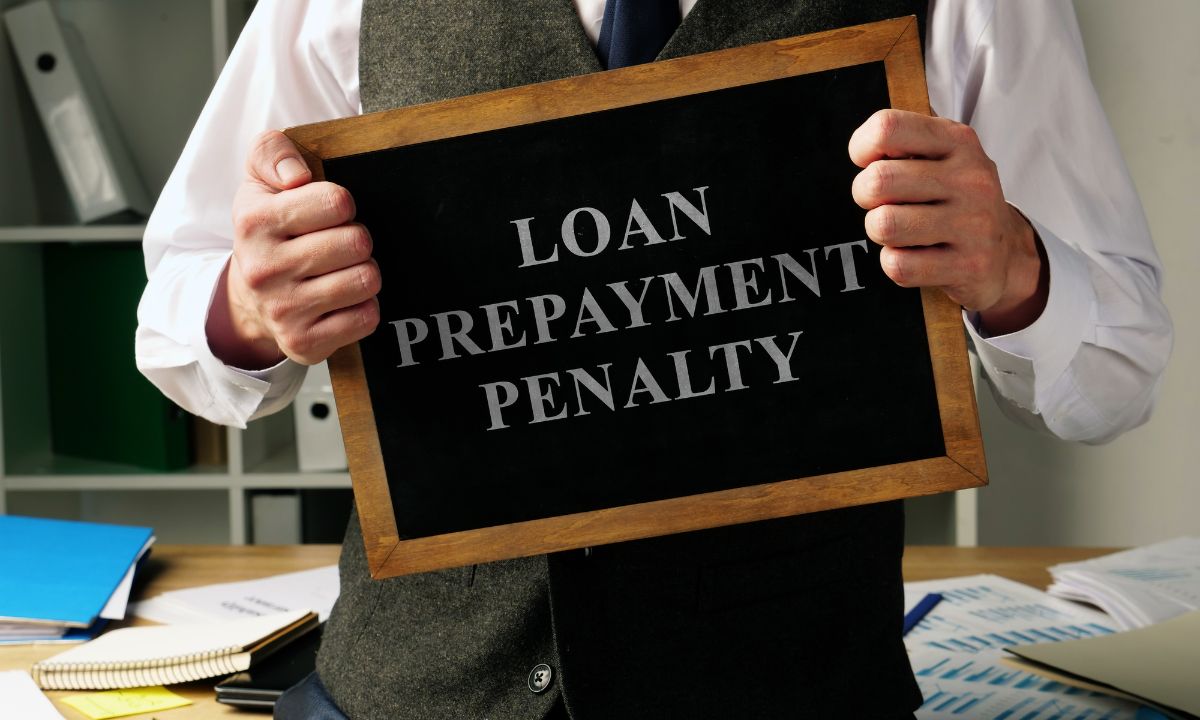
  2. Prepayment Penalties:
    • Description: Some loans include penalties if you pay off your mortgage early, whether through refinancing or additional payments.
    • Impact: These penalties can be a percentage of the remaining balance or a set number of months’ worth of interest. They are not always clearly disclosed and can affect your decision to pay off your loan early.
  3. Underwriting Fees:
    • Description: Underwriting fees cover the cost of evaluating and approving your loan application. They are sometimes rolled into the origination fee but can be a separate charge.
    • Impact: These fees typically range from $300 to $600 and may not be clearly separated in the initial fee disclosures.
  4. Document Preparation Fees:
    • Description: Fees for preparing the legal documents required for closing the loan. These can sometimes be hidden in the overall closing costs.
    • Impact: Typically ranging from $100 to $300, these fees ensure that all legal paperwork is correctly handled.
  5. Loan Servicing Fees:
    • Description: Some lenders charge fees for servicing the loan after it is issued, which may include managing the account or handling payments.
    • Impact: These fees can vary but are often included in the fine print of your loan agreement.

Understanding both hidden and non-hidden mortgage fees is essential for accurate financial planning and avoiding unexpected costs. By being aware of these fees, you can make more informed decisions and better manage your mortgage expenses.

#MortgageFees #HiddenFees #LoanCosts #MortgageOriginationFee

Filed Under: Home Mortgage Tagged With: Loan Costs, Mortgage Fees, Mortgage Origination Fee

The Impact of Interest Rate Changes on Your Mortgage Payment Over Time

September 19, 2024 by Coleen TeBockhorst

When it comes to mortgages, interest rates play a crucial role in determining your monthly payments and the total cost of your loan. While fixed-rate mortgages offer stable payments, adjustable-rate mortgages (ARMs) can fluctuate with market conditions, leading to significant variations in your financial obligations over time. Understanding how interest rate changes impact your mortgage can help you better prepare for the future.

Fixed-Rate vs. Adjustable-Rate Mortgages

Fixed-rate mortgages offer a consistent interest rate throughout the life of the loan. This stability means your monthly payment remains unchanged, providing predictability and ease of budgeting. However, the trade-off is that fixed-rate loans often start with higher rates compared to the initial rates of ARMs.

Adjustable-rate mortgages (ARMs), on the other hand, have interest rates that adjust periodically based on market conditions. ARMs usually come with an initial fixed-rate period, after which the rate changes at set intervals, such as annually. The fluctuations in ARMs can significantly impact your monthly payments and overall loan cost.

How Interest Rate Changes Affect Your Payments

  1. Initial Period Changes: Most ARMs start with a lower interest rate than fixed-rate mortgages, which can make them attractive to borrowers looking for lower initial payments. For instance, an ARM with a 3% initial rate might offer lower payments compared to a fixed-rate mortgage at 4%. However, after the initial period—often 5, 7, or 10 years—the rate adjusts based on a specified index plus a margin set by the lender.
  2. Adjustment Periods: When the rate adjusts, it can lead to significant changes in your monthly payments. For example, if your ARM adjusts from 3% to 5%, your monthly payment will increase accordingly. This change can be substantial, especially if the loan term is long or if rates rise significantly.
  3. Rate Caps: ARMs typically have caps that limit how much the interest rate can increase at each adjustment period and over the life of the loan. While these caps provide some protection, they do not eliminate the risk of higher payments. For example, if your ARM has a cap of 2% per adjustment period, your rate could increase by 2% at each adjustment, potentially leading to higher payments over time.

Financial Impact Scenarios

  1. Rising Interest Rates: In a scenario where interest rates rise steadily, an ARM can become increasingly expensive. If you started with a 3% ARM and rates rise to 6%, your payments will rise accordingly. For a $300,000 loan, this could mean an increase from approximately $1,264 to $1,798 per month after the initial fixed period, translating to an additional $535 per month or $6,420 per year.
  2. Stable or Declining Rates: Conversely, if interest rates remain stable or decline, an ARM may still offer lower payments compared to a fixed-rate mortgage. For example, if your ARM’s rate stays at 3% or falls slightly, you could benefit from lower payments compared to the fixed rate’s higher payments.
  3. Long-Term Costs: Over the life of the loan, ARMs can sometimes end up costing more than fixed-rate mortgages if interest rates rise significantly. For instance, over a 30-year term, frequent rate increases can add up, resulting in a higher total loan cost compared to a fixed-rate mortgage with a higher, but stable, interest rate.

Understanding how interest rate changes affect your mortgage payments is crucial for managing your financial future. While ARMs can offer lower initial rates and payments, they come with the risk of increased payments as rates adjust. Fixed-rate mortgages provide stability but might start with higher rates. By considering your long-term financial goals and potential interest rate trends, you can make an informed decision that aligns with your financial situation and risk tolerance.

Filed Under: Mortgage Tagged With: Adjustable Rate Mortgage, Interest Rates, Mortgage Rates

Green Loans for a Sustainable Future and The Rise of Eco-Friendly Mortgages

September 18, 2024 by Coleen TeBockhorst

In recent years, the demand for eco-friendly living has surged, with more homebuyers seeking properties that are energy-efficient and environmentally conscious. This growing trend has given rise to eco-friendly mortgages, also known as green mortgages. These specialized loans offer financial incentives for purchasing or upgrading to energy-efficient homes, benefiting both buyers and the environment.

Understanding Eco-Friendly Mortgages

Eco-friendly mortgages are designed to support homeowners who prioritize energy efficiency and sustainability. They often come with various benefits, including lower interest rates, reduced down payments, or rebates for energy-efficient upgrades. Here’s a closer look at how these mortgages work:

  1. Types of Green Mortgages: There are several types of eco-friendly mortgages available. Some are specifically for buying energy-efficient homes, while others are for financing home improvements that increase energy efficiency. Common examples include Energy-Efficient Mortgages (EEMs) and Green Home Loans.
  2. Energy Efficiency Requirements: To qualify for a green mortgage, the property typically needs to meet specific energy efficiency criteria. This may involve energy audits, certifications like LEED (Leadership in Energy and Environmental Design), or meeting certain efficiency standards for appliances and insulation.
  3. Incentives and Benefits: Green mortgages often come with perks such as lower interest rates, reduced closing costs, or special financing options. These incentives are designed to make it more affordable for buyers to invest in energy-efficient homes or upgrades.

Benefits for Buyers

Eco-friendly mortgages offer numerous advantages for buyers:

  1. Lower Utility Bills: Energy-efficient homes are designed to reduce energy consumption, leading to lower utility bills. This can result in significant long-term savings, making the initial investment more worthwhile.
  2. Improved Home Value: Homes with energy-efficient features often have higher resale values. Investing in these upgrades can increase your property’s market value and attract environmentally-conscious buyers.
  3. Financial Savings: With lower interest rates or reduced closing costs, green mortgages can save buyers money upfront. Additionally, some programs offer rebates or incentives for making energy-efficient improvements, further reducing overall expenses.

Environmental Impact

Beyond the personal financial benefits, green mortgages contribute positively to the environment:

  1. Reduced Carbon Footprint: By supporting energy-efficient homes and improvements, green mortgages help lower greenhouse gas emissions. Energy-efficient homes consume less power, leading to a reduction in carbon emissions and a smaller environmental footprint.
  2. Sustainable Living: Promoting energy efficiency aligns with broader goals of sustainability and conservation. By encouraging homeowners to adopt eco-friendly practices, these mortgages help advance a greener future.

How to Get Started

If you’re interested in an eco-friendly mortgage, here are some steps to consider:

  1. Research Available Programs: Look into green mortgage programs offered by lenders, government agencies, or non-profit organizations. Each program may have different requirements and incentives, so find one that aligns with your goals.
  2. Get an Energy Audit: Before applying for a green mortgage, consider having an energy audit performed on the property. This audit will assess the home’s current energy efficiency and identify areas for improvement.
  3. Consult with a Mortgage Professional: Work with a mortgage advisor who has experience with green loans. They can guide you through the application process and help you understand the specific benefits and requirements.

Eco-friendly mortgages represent a significant step toward sustainable homeownership. By offering financial incentives for energy-efficient homes and upgrades, these loans benefit both buyers and the environment. Embracing green mortgages not only leads to personal financial savings but also contributes to a greener, more sustainable future.

#GreenMortgages #EcoFriendlyHomes #EnergyEfficientLiving

Filed Under: Mortgage Tips Tagged With: Eco-Friendly Homes, Energy Efficient Living, Green Mortgages

Managing Your Mortgage During Major Life Changes

September 17, 2024 by Coleen TeBockhorst

Life is full of significant transitions, and major life events such as divorce, inheritance, or starting a business can deeply affect your financial landscape, including your mortgage. Understanding how these changes impact your mortgage options and financial planning can help you make informed decisions and manage your home loan effectively.

Divorce: Reassessing and Refinancing

Divorce can be emotionally and financially challenging, especially when it comes to managing joint mortgages. Here are some steps to consider:

  1. Review Your Mortgage Agreement: Determine whether you and your ex-spouse are both legally responsible for the mortgage. This review will guide your next steps, whether that means selling the home, refinancing the mortgage, or transferring ownership.
  2. Consider Refinancing: If one partner wishes to keep the home, refinancing the mortgage in their name alone can be an option. This process involves applying for a new loan to pay off the existing one and can help establish a new financial arrangement.
  3. Update Your Financial Plan: Divorce might necessitate a reevaluation of your budget and financial goals. Factor in new expenses and changes in income to ensure you can manage the mortgage payments going forward.

Inheritance: Making the Most of Your New Assets

Inheriting a property can be a wonderful but complex experience. Here’s how to navigate it:

  1. Understand the Tax Implications: Inherited properties can come with tax responsibilities. Consult a tax advisor to understand potential capital gains taxes and estate taxes associated with the property.
  2. Evaluate Your Financial Position: Assess how the inherited property fits into your overall financial situation. Decide if you want to keep the home, rent it out, or sell it. Each option will have different financial and tax implications.
  3. Consider a Mortgage on the Inherited Property: If you plan to keep the property and it has an existing mortgage, you may need to assume the loan or refinance it. Check with the lender to understand your options and any requirements.

Starting a Business: Balancing Home and Entrepreneurial Finances

Starting a business is a thrilling endeavor but can strain your finances. Here’s how to manage your mortgage while launching your new venture:

  1. Create a Solid Budget: Develop a comprehensive budget that includes your new business expenses and mortgage payments. Ensure that you have sufficient funds to cover both areas without compromising your financial stability.
  2. Consider a Home Office Deduction: If you’re running your business from home, you might be eligible for tax deductions related to your home office. This can ease some financial pressure by reducing your overall tax burden.
  3. Monitor Your Cash Flow: Starting a business often comes with fluctuating income. Keep a close eye on your cash flow to ensure you can consistently make mortgage payments. Building an emergency fund can provide a financial cushion during lean times.

Major life changes can significantly impact your mortgage and financial planning. By understanding how divorce, inheritance, or starting a business affects your mortgage options, you can make informed decisions and manage your home loan effectively. Give us a call to guide you through these transitions and help you maintain financial stability.

Filed Under: Mortgage Tips Tagged With: Divorce And Mortgages, Financial Planning, Mortgage Advice

What’s Ahead For Mortgage Rates This Week – September 16th, 2024

September 16, 2024 by Coleen TeBockhorst

The week for the Federal Reserve’s rate decision has finally come. This is the week everyone has been waiting which will decide whether we will see any rate cuts this year. There has been a lot of speculation that this will be the first rate cut and likely more in the future. With the Federal Reserve giving hints the data has been on track, the outcome of one seems very likely. With the previous week’s CPI and PPI statistics coming in, which both were slightly warmer than expected, the data still largely shows that inflation has been kept under control. This may affect the decision, but ultimately throughout the year, the data has been consistent with few surprises. The week rounded out with the Consumer Sentiment data reports showing favorable results, indicating that the current state of the economy is in a neutral position in the eyes of the average consumer.

Producer Price Index

U.S. wholesale prices showed a mild increase in August and reinforced the idea the rate of inflation is returning to low pre-pandemic levels. The moderate increase in wholesale costs follows a similarly mild rise in consumer prices last month. With inflation slowing, the Federal Reserve is widely expected to cut interest rates next week.

Consumer Price Index

The consumer price index rose a mild 0.2% in August, the government said Wednesday, in line with The Wall Street forecast. Yet a measure of prices that strips out volatile food and energy costs, known as the core rate, rose a somewhat stiffer 0.3%. That was a tick above the forecast and matched the biggest increase in five months.

Consumer Sentiment

The rise in sentiment, 0.54%, is the highest since May. Consumer sentiment rose to a four-month high in September, just ahead of the U.S. presidential election, as expectations about future inflation fell to the lowest level since 2020. Yet Americans are still “guarded” in their views about the economy.

Primary Mortgage Market Survey Index

  • 15-Yr FRM rates saw a decrease of –0.20% with the current rate at 5.27%
  • 30-Yr FRM rates saw a decrease of -0.15% with the current rate at 6.20%

MND Rate Index

  • 30-Yr FHA rates saw a 0.01% increase for this week. Current rates at 5.68%
  • 30-Yr VA rates saw no change for this week. Current rates at 5.69%

Jobless Claims

Initial Claims were reported to be 232,000 compared to the expected claims of 230,000. The prior week landed at 228,000.

What’s Ahead

The FOMC Rate Decision will take place on Sunday of this upcoming week. 

Filed Under: Financial Reports Tagged With: Financial Report, Jobless Claims, Mortgage Rates

« Previous Page
Next Page »

Contact Coleen

Coleen Tebockhorst

Coleen TeBockhorst
coleen.tebockhorst@citywidehm.com

Senior Loan Officer

Call me! (612) 701-8512

NMLS #274205

Download My Mortgage eGuide today

CW Home Mortgage logo_White

Guaranteed Rate, Inc. DBA Citywide Home Mortgage

Categories

Our Location

10591 165th St. West
Lakeville MN, 55044

Connect With Me

This site is not authorized by the New York State Department of Financial Services. No mortgage loan applications for properties located in New York will be accepted through this site. Operating in the state of California as Guaranteed Rate, Inc. D/B/A Citywide Home Mortgage. If you are a California resident, please review our Privacy Policy to learn more about the categories and business purpose of personal information we may collect and your right to opt-out from the sale of personal information.

Applicant subject to credit and underwriting approval. Not all applicants will be approved for financing. Receipt of application does not represent an approval for financing or interest rate guarantee. Refinancing your mortgage may increase costs over the term of your loan. Restrictions may apply. All information provided in this publication is for informational and educational purposes only, and in no way is any of the content contained herein to be construed as financial, investment, or legal advice or instruction. Citywide Home Mortgage does not guarantee the quality, accuracy, completeness or timelines of the information in this publication. While efforts are made to verify the information provided, the information should not be assumed to be error-free. Some information in the publication may have been provided by third parties and has not necessarily been verified by Citywide Home Mortgage. Citywide Home Mortgage, its affiliates and subsidiaries do not assume any liability for the information contained herein, be it direct, indirect, consequential, special, or exemplary, or other damages whatsoever and howsoever caused, arising out of or in connection with the use of this publication or in reliance on the information, including any personal or pecuniary loss, whether the action is in contract, tort (including negligence) or other tortious action.

Coleen TeBockhorst NMLS ID: 274205 Copyright © 1998-2025 Guaranteed Rate, Inc. D/B/A Citywide Home Mortgage. All rights reserved.

For licensing information, go to: www.nmlsconsumeraccess.org.

NMLS License #2611 – 3940 N Ravenswood Chicago, IL 60613. (866) 508-5515. Equal Housing Lender.

Licensing | Privacy | Terms of Use

Copyright © 2026 · Powered by MySMARTblog

Copyright © 2026 · Genesis Sample Theme on Genesis Framework · WordPress · Log in