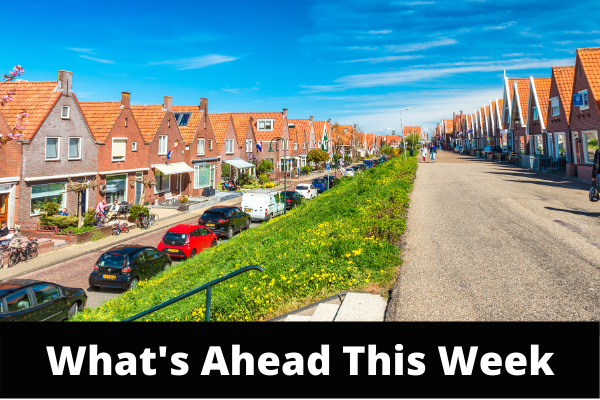
Last week’s economic reporting included readings on home sales, Fed Chair Jerome Powell’s testimony on monetary policy to the House Financial Services Committee, and the University of Michigan’s Consumer Sentiment Index. Weekly reports on mortgage rates and jobless claims were also released.
New Home Sales Pace Rises as Pre-Owned Homes Sales Pace Slows
The Commerce Department reported a seasonally-adjusted annual pace of 696,000 new homes sold in May; analysts predicted a year-over-year pace of 587,000 new homes sold as compared to April’s year-over-year pace of 629,000 new homes sold. While the year-over-year pace of new home sales increased by 10.70 percent month-to-month in May, the year-over-year sales pace for new homes fell by 5.90 percent.
Increasing materials and labor costs continued to challenge home builders, but high demand for homes fueled sales of new homes even as mortgage rates and home prices rose. The median price of new homes sold in May fell to $449,000 from April’s record high of $454,700. The inventory of available homes fell by 7.20 percent in May, which equaled a 7.70-month supply of new homes for sale.
Regional results for new home sales were mixed; sales of new homes fell by -51.10 percent in the Northeast and were -18.30 percent lower in the Midwest. New home sales rose by 12.80 percent in the South and were 39.30 percent higher in the West.
In other news, Fed Chair Jerome Powell spoke on monetary policy before the House Financial Services Committee and explained the Fed’s strategy to ease inflation through a series of interest rate increases intended to cut into consumers’ purchasing power.
Mortgage Rates Rise; New Jobless Claims Fall
Freddie Mac reported higher average mortgage rates last week as the rate for 30-year fixed-rate mortgages rose by three basis points to 5.81 percent. Rates for 15-year fixed-rate mortgages averaged 4.92 percent and were 11 basis points higher than in the previous week. The average rate for 5/1 adjustable rate mortgages was eight basis points higher at 4.41 percent. Discount points averaged 0.80 percent for 30-ye
ar fixed-rate mortgages and 0.90 percent for 15-year fixed-rate mortgages.
Initial jobless claims fell to 229,000 new filings last week as compared to 231,000 new claims filed in the previous week. Analysts expected 225,000 new jobless claims last week. Continuing jobless claims inched up with 1.32 million continuing claims filed as compared to the previous week’s reading of 1.31 ongoing jobless claims filed.
The University of Michigan’s Consumer Sentiment Index fell to an index reading of 50.0 for June as compared to May’s reading of 50.2 and the expected June reading of 50.2. Consumer concerns over fuel prices and rising inflation eroded consumer confidence in the economy. Readings above 50 indicate that most consumers have a positive outlook on current economic conditions.
What’s Ahead
This week’s scheduled economic reports include readings from Case-Shiller on home prices, pending home sales, and construction spending. Weekly readings on mortgage rates and jobless claims will also be released.
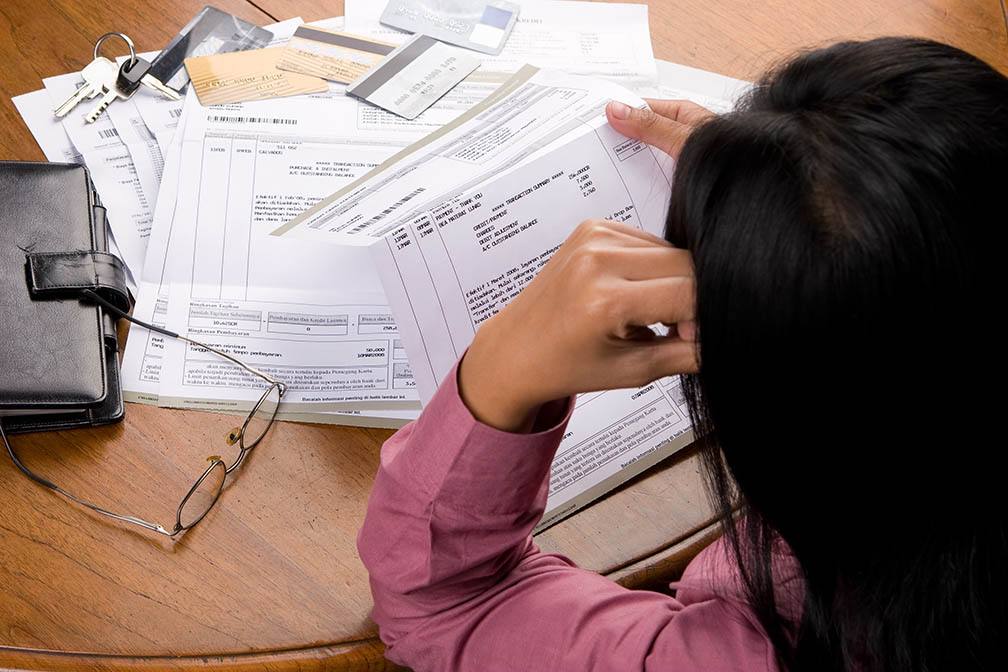 It may feel like a very daunting task to consider buying a home after you’ve declared bankruptcy, and there’s no doubt that it’s an uphill battle. Fortunately, while you’ll have hard work ahead, there are things you can do in order to make your dream of home ownership a possibility. Whether you’ve just declared bankruptcy or some time has passed, here are some things you should consider before getting into the market.
 If you are looking for a way to diversify your investments, you might be thinking about buying a rental property. One of the most common rental options is AirBnB. Given the number of people who use AirBnB, this could be a great way to generate a steady stream of short-term renters. On the other hand, can you take out a loan to buy an AirBnB property?
 If you’re in the process of buying a home, you probably have your deposit and monthly mortgage charges in a spreadsheet, along with a chart of your other expenses and your monthly income. But when it comes to buying a home, there are lots of different costs that will come into play – and it’s easy to forget something. When you’re preparing to close on your new home, make sure you consider these three closing costs that most buyers forget.
 Last week’s economic news included reporting on home builder confidence in national and regional housing markets, a post-meeting statement from the Federal Reserve’s Federal Open Market Committee, and Fed Chair Jerome Powell’s news conference. The National Association of Home Builders released its national and regional housing market indices. Weekly readings on mortgage rates and jobless claims were also published.
 If you want to improve your quality of life while also increasing the value of your home, you might be interested in updating it. You probably want to live in a home that is well-designed, and a prospective buyer wants the same thing. Unfortunately, performing a major renovation can be time-consuming and expensive, but there are more cost-effective ways to update your home. What are a few of the top ideas?
 If the time has come to purchase a home and you’ve been perusing the real estate market, it’s possible you’ve also been considering the mortgage options that might work best for you. In the event that you’re already spending a lot of time looking at homes and trying to sell your own, here are a few reasons you may want to leave your mortgage considerations to a professional.
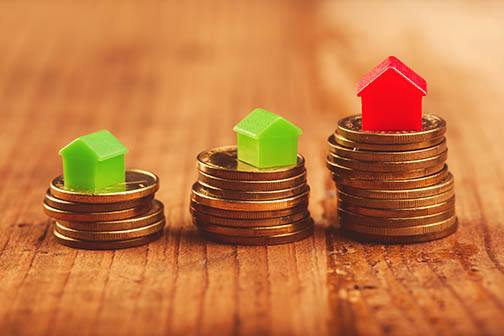 The monthly mortgage payment can be burdensome for many, but it’s possible you’ve thought of trying to pay it down more quickly. Without getting a new job or working overtime, here are some tips you can use on a daily basis to save additional funds and pay off your mortgage at a swifter rate.
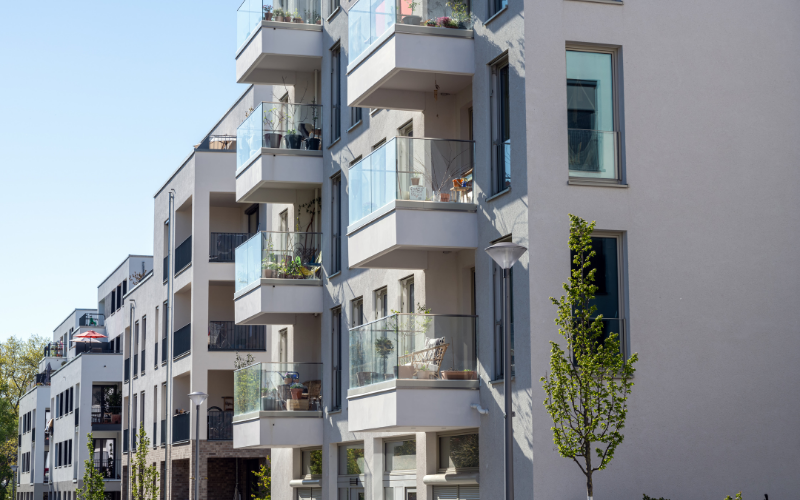 It is important for everyone to diversify their investments. One of the ways to do so is to invest in real estate. There are numerous types of properties, and one of the most attractive options is a multifamily property. Even though it might seem like a challenge to manage such a large property, there are several benefits of multifamily properties everyone should keep in mind.