 Savvy home buyers who are preparing to make a real estate purchase should do their research and understand that they need to save money for not only the down payment, but the closing costs as well. The closing costs can account for as much as three to five percent of the sales price in some cases, so this can be a rather sizable amount of money. Some home buyers however, may not realize that the amount of closing costs can vary considerably based on the home that is purchased. With a closer look at why this is, home buyers can make a more educated decision when selecting a home to purchase.
Prepaid Taxes And Insurance
One of the most significant closing costs relates to prepaid taxes and insurance, and both of these expenses are directly tied to the location and value of the property. Consider that the property tax rate can vary based on the city, county, and state. Real estate insurance can also vary based on the type of construction of the home, if the home is located in a flood plain, and other factors. These are only a few examples of how the location and property type can impact these fees, and home buyers should consider the costs assoicated with the tax rates and insurance when selecting a property to purchase.
Third Party Reports
There are several third party reports that are commonly paid for at closing, and these include an appraisal, a survey, a pest inspection and a property inspection. The third party reports may vary in cost based on the size of the home, the amount of land that is being purchased, and even the condition of the property. Those who want to keep their closing costs lower may consider learning more about how these fees are calculated up-front before finalizing their plans to buy a specific home.
Title Insurance Fees
Title insurance fees are another typically sizable expense for home buyers, and this insurance offers protection to the lender if the title is not clean. Title insurance can increase based on the size of the property as well as different factors that are revealed with a title search. This information can be difficult to learn with an initial home search, but home buyers should be aware that title defects can increase closing costs.
The location, size, age and construction of a property all impact the closing costs. Those who are shopping for real estate may be inclined to make a decision that keeps closing costs down, and they can reach out to their knowledgeable mortgage professional for more assistance with their particular situation.
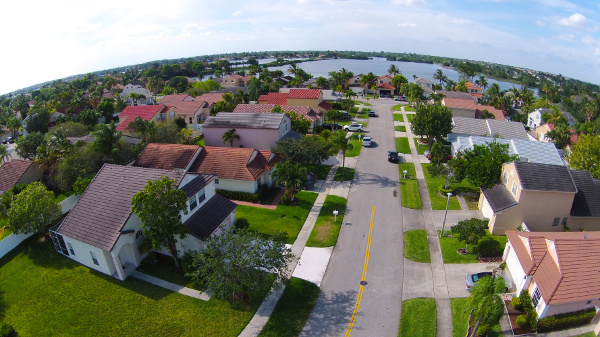 From finding the right agent to discovering the home you can truly feel comfortable in, there are a variety of things involved in the home buying process. However, it’s important not to get caught up in the home and ignore altogether the community you’ll be living in. If you’re planning a move to a new neighborhood, here are some things you should look into before putting in an offer.
 Whether or not you’re new to real estate, there’s little doubt that you’ve heard the term down payment as it relates to purchasing a home. There’s a lot of different information out there in regards to how much this figure should be and it can be hard to determine exactly what the importance of this payment is. If you’re trying to determine the ideal amount to put down, here are some things to consider.
 During the past year, the housing market has been on fire. There are not a lot of houses for sale, many people are interested in moving, and there is a rising demand from the people who put off moving during the coronavirus pandemic. Furthermore, Millennial demand is picking up, which will only make the housing market even hotter. Recently, a survey found that approximately two-thirds of people who qualify for Generation Y are thinking about buying a home in the near future. Many of them have improving financial circumstances, and they are looking for a way to build wealth and settle down.
  If you are looking for a way to diversify your investments while also making it easier to go on vacation, you may have thought about purchasing a vacation home. Saving up enough money for one house was already hard enough, so how are you going to save up money for a second house? If you have owned your primary residence for a while, you might be able to take out a home equity loan. Then, you could use this to purchase a vacation house.
 If you’re in the market for a new home, you’re probably trying to budget for all of the expenses that come with a home purchase. After all, the asking price isn’t necessarily the entire amount that you’ll pay – there are other expenses that will factor in to the final price. One such expense is your closing costs.
 There are a lot of people who would like to remain in their homes for as long as possible. Unfortunately, a traditional home may have a few features that can make it difficult for people to stay in their homes as they get older. There are some modifications that can be done relatively easily to reduce the risk of falls. This includes adding handrails, improving the lighting, and even adding seats in the shower. Unfortunately, some modifications, such as making a home wheelchair accessible, can cost thousands of dollars. A home equity loan can make this process much more affordable.
 Last week’s economic reporting included readings on new and pending home sales, minutes from the Federal Reserve’s recent Federal Open Market Committee meeting, and data on inflation. Weekly readings on mortgage rates and jobless claims were also released.
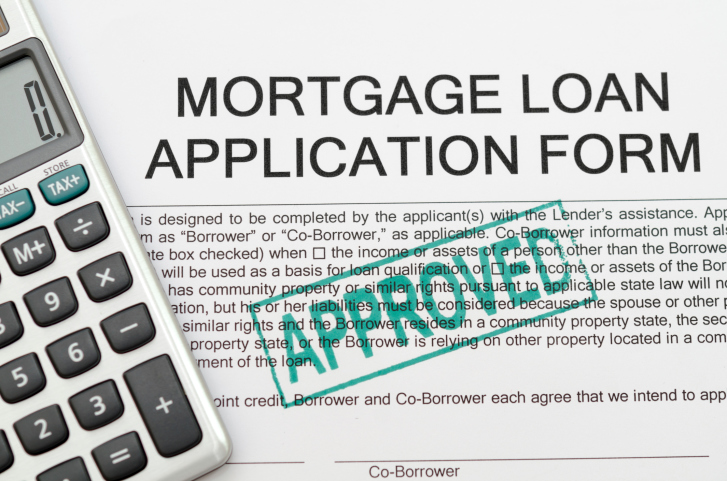 Are you applying for a mortgage on your home? Keep in mind that a mortgage is a major financial decision and choosing one will have a significant impact on the rest of your life.
 Refinancing a home loan can provide numerous benefits, but it can also seem daunting and intimidating to some. Many homeowners would love to lower their interest rate or take advantage of other benefits associated with refinancing, but they are concerned about the time and expense associated with refinancing their current mortgage. The FHA Streamline Refinance loan program is designed to provide those who currently have an FHA loan with an easier way to refinance their mortgage, and this may be a desirable option for many.