 U.S home prices grew at a near-record pace in January according to the National S&P Case-Shiller Home Price Index; year-over-year home prices rose by 19.20 percent in January as compared to December’s reading of 18.90 percent. Home prices rose 1.80 percent on a month-to-month basis from December to January.
While home prices continued to grow at near-record rates, home price growth slowed in some areas during December but picked up in January. Craig M. Lazzara, managing director at S&P Dow Jones Indices, said: “Last fall we observed that home prices, although continuing to rise sharply, had begun to decelerate. Even that modest deceleration was on pause in January.”
The top three cities for home price growth held their places in January. Phoenix, Arizona had the highest pace of home price growth with a year-over-year gain of 32.60 percent; Tampa, Florida reported a year-over-year gain of 30.80 percent. Miami, Florida held third place with a year-over-year home price growth rate 0f 28.10 percent.
All 20 cities tracked by Case-Shiller reported record gains in year-over-year home prices while 16 of 20 cities included in the 20-City Index reported higher home price gains in January than in December.
FHFA House Price Report Shows Strong Growth
The Federal Housing Finance Agency, which oversees Fannie Mae and Freddie Mac, reported that home prices rose by 18.20 percent year-over-year in January. December’s year-over-year growth pace was 17.70 percent for homes owned by Fannie Mae and Freddie Mac. Home prices rose fastest in the Mountain region, which includes Arizona, Colorado, Idaho, Montana, Nevada, New Mexico Utah, and Wyoming. Year-over-year home prices rose by 23 percent or more in the Mountain region.
Will Doerner, a supervisory economist at FHFA, said: “So far, the mortgage rate growth has not dampened upward price pressure from intense buyer demand and limited supply.” Low inventories of available homes continue to drive demand for homes, but some economists expect the pace of home sales to drop by as much as 25 percent in response to rising mortgage rates. Analysts expect that low inventories of available homes will sustain rising home prices. Homebuyers can expect to compete for available homes as buyers rush to lock in lower mortgage rates; cash buyers and bidding wars can cause home prices to rise above market value in high-demand markets.
 If you have made an offer on a house and gotten it accepted, congratulations! This is a major step, but you might be wondering how you actually pay for a house. The days of showing up to the closing table with a personal check are in the rearview mirror, as nobody wants a check for a house to bounce after the other person has already walked away with the keys. Furthermore, even if you are buying a house with cash, you certainly do not want to show up with a briefcase full of dollar bills. Here is how you will actually pay for the house.
  Last week’s economic reporting included a speech and press conference by Federal Reserve chair Jerome Powell, data on pending home sales and sales of new homes, and the University of Michigan’s monthly reading on consumer sentiment. Weekly readings on mortgage rates and jobless claims were also published.
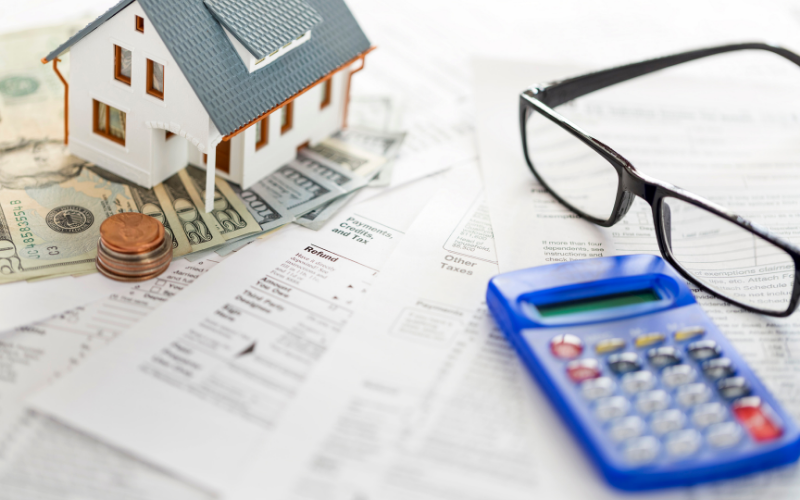 Even though owning a home comes with some significant expenses, some of them are tax-deductible. With many people looking for ways to lower their income tax, there are a few expenses tied to the house that every homeowner should consider. This could make a significant difference in their final tax bills, and it could lead to a large tax refund.
 If you’re having financial troubles, or if you need to free up a large sum in a short period of time, a reverse mortgage is a great way to get the money you need without having to take on new debt or make monthly payments. When you apply for a reverse mortgage – also known as a home equity conversion mortgage – you’re essentially borrowing money from the equity you’ve built up in your house. The great advantages of a reverse mortgage are that you don’t need to make any loan payments until you decide to move out of the house and that in spite of the interest rates attached, you’ll never owe more than the value of your home.
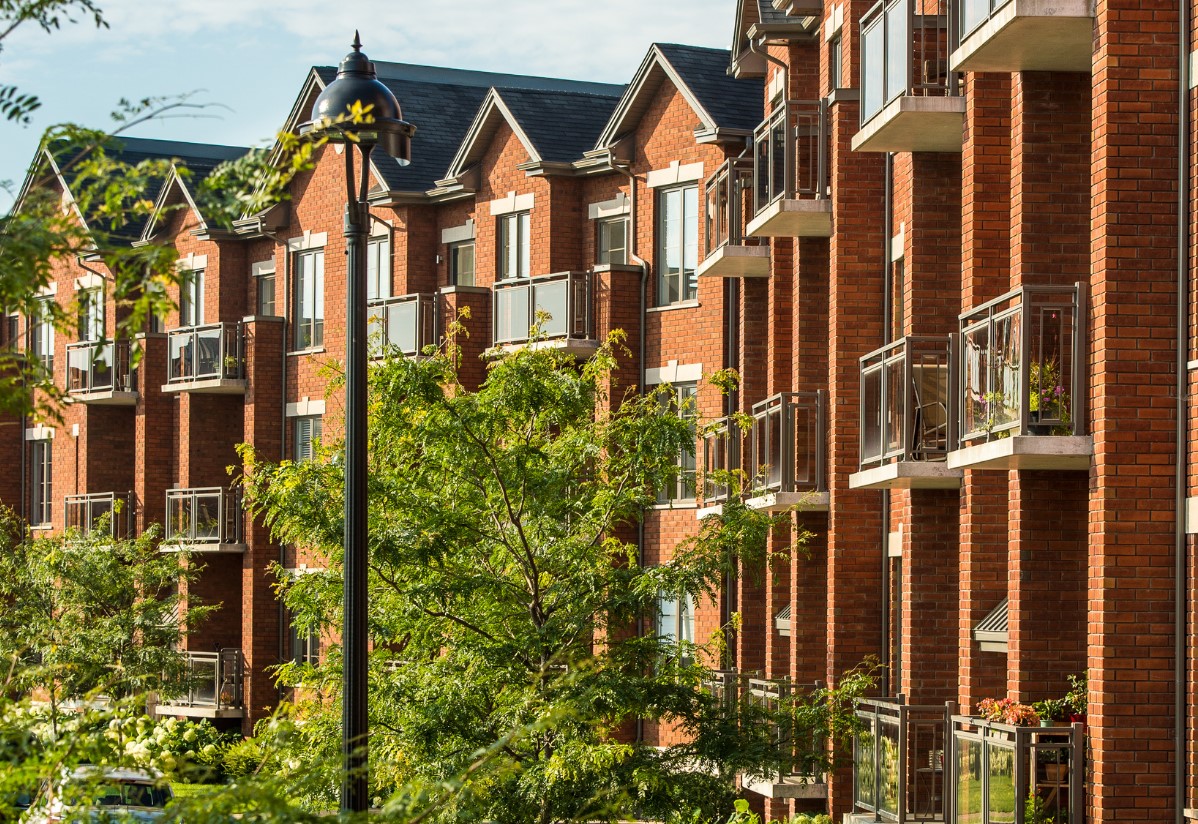 Some people love living in condos, while others swear by detached homes. When it comes to deciding between the two, however, you can’t always rely on someone else’s word.
 Many people are looking for opportunities to save money on the cost of a mortgage. If you want to save money on your home loan, you might be thinking about refinancing. During the refinance process, you will replace your current home loan with a new mortgage. Some people want to refinance their homes to free up cash for a renovation project, while other people want to pay off their homes sooner. How can you pay off your home loan early through a refinance?
 Last week’s economic reporting included readings on housing markets from the National Association of Home Builders, sales of previously-owned homes, and government reports on housing starts and building permits issued. Weekly readings on mortgage rates and jobless claims were also released.
 Purchasing a home is often considered an important step in one’s financial life, no matter what point you arrive at it, but there are things you should know about financing your home purchase before stepping into the fray. If you’re planning on buying a home soon and want to avoid some major missteps, here are a few tips that will set you up for success.