CTeBockhorst's Blog

The Mortgage and Real Estate Scoop

  • Home
  • About
  • Blog
  • Resources
    • Calculators
    • Download My eGuide Today!
    • First Time Buyer Tips
    • First Time Seller Tips
    • Loan Checklist
    • Loan Process
    • Loan Programs
    • Home Appraisal
    • Home Inspection
    • What to Expect at a Loan Closing: A Step-by-Step Guide
  • Apply
  • Reviews
    • Read My Reviews
    • Zillow Reviews
    • Leave a Review
  • Contact

How To Find The Right Home Insurance Coverage For You And Your Family

September 8, 2021 by Coleen TeBockhorst

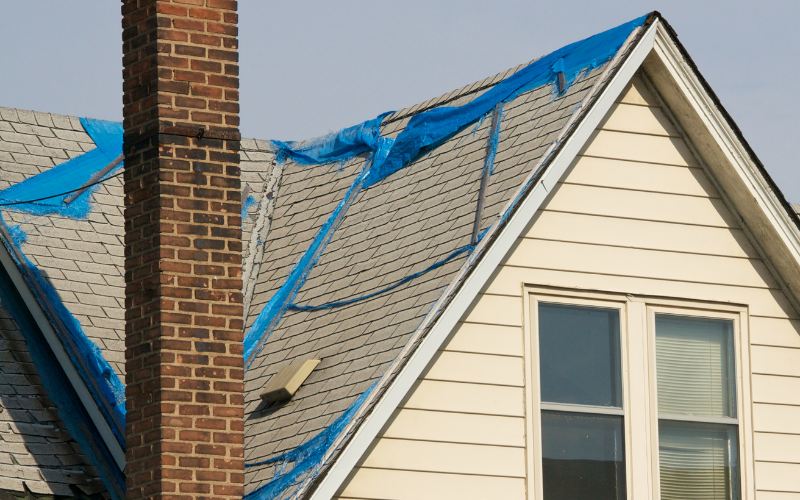
How To Find The Right Home Insurance Coverage For You And Your FamilyThose who are taking out a loan for a home will probably be required by the lender to purchase home insurance. Even those who don’t need a loan will still need to make sure that they protect their property accordingly with a comprehensive home insurance policy. This is important for making sure homeowners have the money to replace their belongings and repair their property in the event of a disaster. At the same time, homeowners do not want to spend more than they must for a home insurance policy.

How can homeowners find the right home insurance policy to protect themselves?

Think About The Disasters In The Area

First, homeowners need to make sure the home insurance policy protects them against the right risks. If homeowners live in an area that is prone to floods or earthquakes, they need to find a policy that will protect them against these risks. If homeowners live in an area that gets a lot of hurricanes, they should make sure their home insurance policy protects them against hurricane damages. Not all policies include these as standard coverage, so homeowners should make sure they do not have to purchase a rider.

Make Sure There Is Money To Rebuild Your Home

Remember that the cost to rebuild a home could be more or less than the original purchase price. Lenders will want to make sure that all homeowners have a policy that gives them enough money to rebuild. Otherwise, the lender might not finance the mortgage. The local construction costs and the square footage of the structure will all play a role in the cost to rebuild. It might be prudent to work with a real estate agent to estimate this cost. The type of exterior, the style of the house, the number of bedrooms and bathrooms, and other properties on the premises will all play a role in the cost to rebuild a home.

Other Factors To Consider

Homeowners also need to think about whether their home is up to code. When the home is rebuilt, it needs to match new codes, which could increase the price. Homeowners also need to make sure their home insurance policy will cover valuable belongings in the home as well, such as furniture and electronics.

Filed Under: Mortgage Tagged With: Home Insurance, Mortgage, Rebuilding

What’s Ahead For Mortgage Rates This Week – September 7, 2021

September 7, 2021 by Coleen TeBockhorst

What's Ahead For Mortgage Rates This Week - September 7, 2021Last week’s economic news included readings on home prices from Case-Shiller; readings on construction spending and pending home sales were also released. Weekly data on mortgage rates and jobless claims were also released.

Case-Shiller Posts New Record for Home Price Growth in June

U.S. home prices continued to gain at record levels in June according to S&P Case-Shiller Home Price Indices. The National  Home Price Index rose from May’s seasonally adjusted annual reading of 16.80 percent growth to 18.60 percent year-over-year home price growth in June.

Case-Shiller’s 20-City Home Price Index reported no change in the top three cities for home price growth in June. Phoenix, Arizona, San Diego, California, and Seattle, Washington retained the top three positions in the 20-City Home Price Index. Analysts said that the current pace of home price growth isn’t sustainable. Demand for homes slowed in June as affordability sidelined would-be buyers. Less demand for homes was expected to ease home price growth and provide an additional inventory of available homes.

Pending Home Sales Slow in July as Construction Spending Increases

The National Association of Realtors® reported that pending home sales slowed in July. Pending sales are sales for which purchase offers are received but are not yet closed. Pending sales of previously-owned homes fell by -1.80 percent in July;  analysts expected pending sales to rise by 0.50 percent from June’s reading of -1.90 percent. Pending home sales fell by 8.50 percent year-over-year in July. Pending home sales provide real estate pros a compass for estimating home sales completed in the future.

Homebuilders faced with an ongoing shortage of available homes for sale increased construction spending in July. Lumber and materials prices have stabilized from earlier in 2021 and should help builders complete more homes. Shortages of buildable land and skilled labor continued to impact optimum home-building conditions.

Mortgage Rates Hold Steady as Jobless Claims Fall

Freddie Mac reported no change in rates for 30-year fixed-rate mortgages, which averaged 2.87 percent; rates for 15-year fixed- rate mortgages averaged 2.18 percent and one basis point higher than in the previous week. Rates for 5/1 adjustable rate mortgages averaged one basis point higher at 2.43 percent. Discount points averaged 0.60 percent for fixed-rate mortgages and 0.30 percent for 5/1 adjustable rate mortgages.

Jobless claims fell last week as 340,000 first-time claims were filed as compared to the previous week’s reading of 354,000 initial claims filed. Continuing jobless claims were also lower with 2.75 million continuing claims filed as compared to the previous week’s reading of 2.91 million ongoing claims filed.

What’s Ahead

This week’s scheduled economic reports will be limited due to the Labor Day holiday. Readings on job openings and the Federal Reserve’s Beige Book report will be released. Weekly readings on mortgage rates and jobless claims will also be published.

 

Filed Under: Financial Reports Tagged With: Financial Report, Jobless Claims, Mortgage Rates

FICO Scores and Your Mortgage: How to Bump Your FICO Score to Secure a Better Mortgage Rate

September 3, 2021 by Coleen TeBockhorst

FICO Scores and Your Mortgage: How to Bump Your FICO Score to Secure a Better Mortgage RateIs your credit score holding you back from getting the best rate on your next mortgage? The good news is that there are actions that you can take to increase your credit score and improve the interest rate offered on your next home loan.

Here are a few easy and effective tips to help you get your credit score to where you want it to be.

Increase The Amount Of Credit Available To You

The easiest way to increase your credit score is to increase your credit limit, as this reduces your utilization ratio. To do this, you can either apply for another credit card or ask a current credit card provider to increase your credit limit. Those who have a stable income and have made their monthly payments on time should have no problem getting an increase of their credit limit.

Pay Down The Balances On Your Credit Card

Paying down your credit card balances can help you increase your credit score, as a large portion of your score is determined by the percent of available credit that you are using. Ideally, you want each card balance to be under 30 percent of the total limit while also keeping your total credit usage to less than 30 percent of available credit. A utilization ratio under 30 percent tells lenders that you can manage credit responsibly.

Settle Past Due Debts

Roughly one-third of your credit score is determined by your ability to make payments in a timely manner. If you have any payments that are 30 or more days past due, you may wish to settle those debts or make arrangements to pay them.

Creditors who allow you to roll past due payments back into your loan may update your credit report to say that you are current on your payments. This could have a huge impact on your credit score and help you qualify for a better rate on a home loan.

Increasing your credit score is one of the best ways to get the best rate on a mortgage. This may enable you to gain additional leverage when negotiating for a better rate that may lower your monthly payment to a more affordable level.

For more information about how to get a great mortgage rate for your next home purchase, or for advice on how to improve your credit score, contact your local mortgage professional today.

Filed Under: Mortgage Rates Tagged With: FICO Scores, Mortgage Affordability, Mortgage Financing

3 Reasons Why the Cost of Title Insurance is Worth the Investment

September 2, 2021 by Coleen TeBockhorst

3 Reasons Why the Cost of Title Insurance is Worth the InvestmentTitle insurance is one of the few types of protection policies available to homebuyers and one that is often overlooked because of its optional nature.

Because title insurance is purchased simultaneously with the home, it can be very easy to forego when looked at alongside all the additional fees that are associated with purchasing property.

This is typicaly not advisable, as title insurance is one of the smartest forms of protection a homeowner can buy. Here are just three reasons why every purchaser should get title insurance.

It’s The Best Protection Against Fraud

Title insurance protects the owner of a home from any claim made against their property, whether or not they are responsible. These include unpaid mortgage balances on the home, an improper foreclosure or any form of real estate fraud perpetrated by the seller.

Fraud is more prevalent now than ever before and has started to gain momentum in real estate as well. Forgeries are easier to create in the electronic age and criminals take advantage of today’s ‘do-it-yourself’ attitude to sell property they don’t actually own to unsuspecting victims.

The Insurer Performs An Exhaustive Title Search

Countless records are now made public online for low one-time payments to access them. But does anybody really know what they should be looking for? Title insurers are experts at finding anything suspicious with a home and researching exhaustively to make sure everything about the transaction is legitimate.

And if it’s not, the insurance still covers the buyer for any losses incurred if they are ordered out of their new home should a claim be made against it. Then they will research the claim to make sure it isn’t a fraudulent one.

Title Insurance Is A One-Time Fee

Although it is a large fee, title insurance only needs to be paid for once. Unlike other insurance policies that are either monthly or annually, title insurance is a one-time fee that is acquired at the time of closing. Most mortgage lenders require that their title insurance policy is paid for by the borrower anyway, so it’s not a giant leap to take out your own policy the same time.

Title insurance will also protect against mortgage fraud or any unpaid mortgages the home already has. Although title insurance is strongly recommended, it is a good idea to speak with a professional about it so that any questions you have may be answered.

Filed Under: Home Mortgage Tips Tagged With: Home Mortgage Tips, Mortgage Insurance, Mortgages

Case-Shiller: June Home Prices Higher

September 1, 2021 by Coleen TeBockhorst

Case-Shiller: June Home Prices HigherS&P Case Shiller Home Price Indices reported new record gains for home prices in June. The National Home Price Index rose by a seasonally-adjusted annual pace of 18.60 percent as compared to May’s home price increase rate of 16.80 percent. Home prices were 41 percent higher than they were during the 2006 housing boom; home price growth was driven by high demand for homes coupled with short supplies of homes for sale.  

20-City Home Price Index Posts Month-to-Month Home Price Gain of 2 Percent

The S&P Case-Shiller 20-City Home Price Index posted a two percent gain in June as compared to May. Home prices rose by 19.10 percent on a seasonally adjusted annual basis in June;  all 20 cities included in the index reported higher home prices. Phoenix, Arizona held first place for home price growth in June with a year-over-year price gain of 29.30 percent. San Diego, California held second place in the 20-City Home Price Index with a year-over-year price gain of 27.10 percent and Seattle Washington followed with year-over-year home price growth of 25.00 percent.

All 20 cities posted higher home price gains in June than in May. Craig Lazzara, managing director and global head of index investment strategy at S&P Dow Jones Indices, said: “In June all 20 cities gained more in the 12 months ended in June than they did in the 12 months ended in May.”

Analysts Say Current Home Price Growth is Unsustainable

Rapidly rising home prices sidelined would-be homebuyers who expressed concerns over the fast pace of home sales, and limited choices of available homes. Cash buyers and bidding wars continued to challenge mortgage-dependent homebuyers, but low mortgage rates continued to draw homebuyers into the market.

Covid fueled an exodus from congested urban areas to less populated areas inland. Families who modified their lifestyles to include working from home and homeschooling their children needed larger homes. As workers switched from commuting to work to telecommuting, they were no longer constrained by physical proximity to their employers, but now that businesses and workplaces are reopening, it’s unknown how or if pre-covid housing and work trends will be re-established or if covid era home-based work and schooling options will expand.

In related news, the Federal Housing Finance Agency released data on sales of single-family homes owned or mortgaged by Fannie Mae and Freddie Mac. Home prices rose 17.4 percent from the second quarter of 2020 to the second quarter of 2021.FHFA reported that home prices rose 4.90 percent from the first quarter of 2021 through the second quarter of 2021, and were 1.60 percent higher for June 2021 than in May.

Filed Under: Financial Reports Tagged With: Case Shiller, COVID19, Home Price Index

A Complete Guide: What Is A Credit Freeze And Why Is This Helpful?

August 31, 2021 by Coleen TeBockhorst

A Complete Guide: What Is A Credit Freeze And Why Is This Helpful?Due to recent changes in federal regulations, consumers are now allowed to freeze their credit free of charge. Prior to changes in these regulations, credit bureaus would charge consumers for freezing their credit. What does this mean, and why might someone want to do this?

Freezing Credit Restricts Access To Confidential Information

There are certain situations where consumers may need to have access to their credit reports. For example, they may be applying for a home loan or a car loan. There are other situations where consumers may not need access to their credit reports for an extended amount of time. In this case, it is possible to freeze the credit report to restrict all access. This makes it harder for hackers to access confidential credit information, preventing them from opening an account in someone else’s name.

Who Can Freeze Their Credit Reports?

All consumers have the ability to freeze their credit reports. Even some children may have a credit history, so it is possible for parents to freeze the profile of a child for a certain amount of time. This prevents hackers from stealing credit information regarding children as well. 

How Can Consumers Freeze Their Credit Reports?

It is relatively easy to conduct a credit freeze at any of the three major credit bureaus including Equifax, Experian, and Trans Union. All consumers need to do is request a credit freeze via a phone call,  letter, or an online request. The bureau has to comply, freezing someone’s credit report within one business day. Furthermore, consumers should be able to access free fraud alert services as well. That way, individuals will automatically be alerted if someone tries to open an account in their name. 

What Happens When Applying For A Loan?

If applying for a loan, consumers need to unfreeze their credit reports. Therefore, they should file a request with all three major credit bureaus. They will have to comply within one hour. Then, after the lender has the information he or she requires, consumers can simply request a credit freeze again. That way, they limit the opportunities of hackers who might be trying to steal confidential information and commit identity theft. 


Filed Under: Mortgage Tagged With: Credit Safety, Freezing Credit, Mortgage

What’s Ahead For Mortgage Rates This Week – August 30, 2021

August 30, 2021 by Coleen TeBockhorst

What's Ahead For Mortgage Rates This Week - August 30, 2021Last week’s economic reports included readings on new and existing home sales; the University of Michigan released its monthly Consumer Sentiment Index, and weekly updates on mortgage rates and jobless claims were also published.

New Home Sales and Median Home Price Rose in July

The Census Bureau reported that new homes sold at a seasonally-adjusted annual pace of 353,000 sales in July; analysts expected a pace of 350,000 new homes sold based on June’s reading of 349,000 sales of new homes. Homebuyers are buying new and existing homes at a faster pace as more homes and wider choices become available to would-be buyers. The number of new homes for sale rose 5.50 percent month-to-month and was 26 percent higher year-over-year. The median price for a new home rose to a new high of $390,500 in July.

The National Association of Realtors®  reported that July sales of previously-owned homes sold at a seasonally-adjusted annual pace of 5.99 million sales; analysts expected 5.87 million sales based on June’s sales pace of 5.83 million sales of previously-owned homes. Real estate pros were pleased with July’s increased sales pace and expected the trend to continue.

Mortgage Rates, Jobless Claims

Freddie Mac reported little change in average mortgage rates last week. Rates for 30-year fixed-rate mortgages averaged one basis point higher at 2.87 percent; the average rate for 15-year fixed-rate mortgages also rose by one basis point to 2.17 percent. Rates for 5/1 adjustable rate mortgages averaged 2.42 percent and were one basis point lower. Discount points were lower across the board and averaged 0.60 percent for fixed-rate mortgages and 0.20 percent for 5/1 adjustable rate mortgages.

New jobless claims rose to 353,000 claims filed as compared to the prior week’s reading of 349,000 first-time claims filed. Analysts expected 350,000 new jobless claims to be filed last week. Continuing jobless claims dipped to 2.86 million claims filed from the prior week’s reading of 2.87 million ongoing jobless claims filed.

The University of Michigan Consumer Sentiment Index for August ticked up to an index reading of 70.3 from July’s reading of 70.2; analysts expected an August reading of  71.0.

What’s Ahead

This week’s economic reporting included readings on Case-Shiller Home Price Indices, construction spending, and Government readings on public and private-sector jobs growth and the national unemployment rate.

Filed Under: Financial Reports Tagged With: Financial Report, Jobless Claims, Mortgage Rates

The Process Of Estimating Property Values

August 27, 2021 by Coleen TeBockhorst

The Process Of Estimating Property ValuesProperty values are a moving target. They are important to buyers and sellers because everyone wants to get the best deal possible. Sellers want to get as much money for their investment while buyers do not want to overpay for a home. There are a lot of factors that play a role in property values including the economy, the number of people looking for homes, new home construction, schools, the job market, and more. How do real estate agents estimate the value of a home?

How Much Will Someone Pay For A Home?

The market value of a home is the amount of money someone is willing to pay for that home. This is how real estate agents estimate the value of the home. He or she will usually take a look at similarly priced homes in the area (sometimes in the same neighborhood) to see what those homes are selling for. Then, the price per square foot will be applied to that specific home to calculate its value.

Often, real estate agents use the past six months as a guideline; however, if there has not been much action, agents might go back further. Agents will usually draw a radius of one mile to ensure homes are similar; however, some homes, such as luxury homes, are harder to compare.

A Professional Appraiser Is Usually Involved

Sometimes, home values are calculated by a professional appraiser who is typically hired by a lender. Lenders want to make sure they will get their money back if the home sells in the future. If the buyer is paying more than the appraiser says it is worth, then the lender might ask the buyer to put more money down before financing it.

Real Estate Agents Could Ask For More Information

Real estate agents might also ask homeowners for more information. If one house stands out on the comps sheet, the agent might ask the homeowner what happened. What makes this house different? Is the location different? Did the home sell as furnished? All of this is important for helping realtors ensure they are doing the best possible job in guiding their clients in the right direction. Some sales may still require the help of a licensed appraiser.

Filed Under: Mortgage Tagged With: Home Estimates, Mortgage, Property Value

The Average Length Of Homeownership For Most Families

August 26, 2021 by Coleen TeBockhorst

The Average Length Of Homeownership For Most FamiliesIt is critical for everyone to find a home that is right for them. Given the current lack of inventory, this can be a significant challenge. Fortunately, the National Association of Realtors (NAR) keeps track of numerous market aspects, including how long the average family stays in a home. For the past few decades, the average family has stayed in their home for approximately six years; however, during the past few years, that average has gone up to nine years. This means that the average homeowner is keeping his or her house longer than he or she did in the past. Why is this happening?

Why Are Families Staying In Their Homes Longer Than Before?

There are numerous reasons why this might be taking place. First, the real estate market crashed just over ten years ago. When home prices fell, homeowners were worried that they would not be able to sell their home at a price that would pay off their mortgage, also known as a home sale. Therefore, they decided to stay in their homes longer until their homes recouped their value.

In addition, there was a lot of uncertainty about the economy, causing some homeowners to think twice about making a move. They might have been worried that they wouldn’t have the money to cover emergency expenses if they paid for a move.

Finally, the homeownership rate among the younger generation, including those getting ready to have kids, has still not caught up to previous generations. When this generation starts to look for better school districts or more room, they might start looking for houses, causing them to move more frequently. Because they might not currently own homes, they are not selling homes, and thus not bringing down the median tenure.

What Is The Impact On The Housing Market?

So, what does this mean for the housing market? If families are moving frequently, they might not be in houses that are right for their family circumstances. As a result, baby boomers who are looking to downsize or parents with multiple children in a 2-bedroom house might be looking to move in the foreseeable future.  Given the current lack of inventory, this might be a bit of a challenge.

Filed Under: Mortgage Tagged With: Economy, Home Ownership, Mortgage

A Comprehensive Home Maintenance Checklist For The Homeowner

August 25, 2021 by Coleen TeBockhorst

A Comprehensive Home Maintenance Checklist For The HomeownerThere are many people who purchase a home with a target monthly payment in mind. This monthly payment usually includes major expenses such as the monthly mortgage payment, real estate taxes, and homeowners’ insurance. At the same time, there are other costs as well, such as home repairs and maintenance.

In general, homeowners should budget between one and three percent of the home’s value every year to cover typical maintenance and repairs. This does not include renovation expenses, which might require additional funding. What are a few examples of maintenance expenses homeowners need to consider?

Monthly Home Maintenance Tasks

There are a few straightforward tasks that homeowners need to do every month. These maintenance tasks can help homeowners prevent larger bills down the road. A few examples include checking the filters on the HVAC system, looking for leaks that might be present around sinks and toilets, and taking a look at the filter in the kitchen vent hood. Homeowners also need to make sure their smoke and carbon monoxide filters are working properly. Finally, go for a walk around the outside of the house to look for any cracks in the foundation.

Winter Maintenance Tasks

There are a few maintenance tasks that need to take place during the winter as well. Homeowners in the colder climates need to watch for the buildup of ice dams on the roof, which could trap snow as it melts. Homeowners should also inspect the home for any drafts under the doors or windows, which could drive up heating bills. Finally, depending on where your home is located you may need to cover the air conditioning units to protect them against snow and ice.

Spring Checklist Tasks

While winter can be tough on a home, there are several maintenance tasks that should be done during the spring as well. It is important to order an HVAC inspection during the spring to make sure it is working properly. The roof should also be inspected by a professional for any signs of issues. Sometimes, the gutters can be clogged by leaves and ice buildup, which should be addressed before spring storms arise. Finally, make sure the doors and windows are sealed as well.

Following these spring maintenance tasks can reduce the risk of repairs down the road.

Filed Under: Mortgage Tagged With: Home Improvement, Home Maintenance, Mortgage

« Previous Page
Next Page »

Contact Coleen

Coleen Tebockhorst

Coleen TeBockhorst
coleen.tebockhorst@citywidehm.com

Senior Loan Officer

Call me! (612) 701-8512

NMLS #274205

Download My Mortgage eGuide today

CW Home Mortgage logo_White

Guaranteed Rate, Inc. DBA Citywide Home Mortgage

Categories

Our Location

10591 165th St. West
Lakeville MN, 55044

Connect With Me

This site is not authorized by the New York State Department of Financial Services. No mortgage loan applications for properties located in New York will be accepted through this site. Operating in the state of California as Guaranteed Rate, Inc. D/B/A Citywide Home Mortgage. If you are a California resident, please review our Privacy Policy to learn more about the categories and business purpose of personal information we may collect and your right to opt-out from the sale of personal information.

Applicant subject to credit and underwriting approval. Not all applicants will be approved for financing. Receipt of application does not represent an approval for financing or interest rate guarantee. Refinancing your mortgage may increase costs over the term of your loan. Restrictions may apply. All information provided in this publication is for informational and educational purposes only, and in no way is any of the content contained herein to be construed as financial, investment, or legal advice or instruction. Citywide Home Mortgage does not guarantee the quality, accuracy, completeness or timelines of the information in this publication. While efforts are made to verify the information provided, the information should not be assumed to be error-free. Some information in the publication may have been provided by third parties and has not necessarily been verified by Citywide Home Mortgage. Citywide Home Mortgage, its affiliates and subsidiaries do not assume any liability for the information contained herein, be it direct, indirect, consequential, special, or exemplary, or other damages whatsoever and howsoever caused, arising out of or in connection with the use of this publication or in reliance on the information, including any personal or pecuniary loss, whether the action is in contract, tort (including negligence) or other tortious action.

Coleen TeBockhorst NMLS ID: 274205 Copyright © 1998-2025 Guaranteed Rate, Inc. D/B/A Citywide Home Mortgage. All rights reserved.

For licensing information, go to: www.nmlsconsumeraccess.org.

NMLS License #2611 – 3940 N Ravenswood Chicago, IL 60613. (866) 508-5515. Equal Housing Lender.

Licensing | Privacy | Terms of Use

Copyright © 2026 · Powered by MySMARTblog

Copyright © 2026 · Genesis Sample Theme on Genesis Framework · WordPress · Log in