CTeBockhorst's Blog

The Mortgage and Real Estate Scoop

  • Home
  • About
  • Blog
  • Resources
    • Calculators
    • Download My eGuide Today!
    • First Time Buyer Tips
    • First Time Seller Tips
    • Loan Checklist
    • Loan Process
    • Loan Programs
    • Home Appraisal
    • Home Inspection
    • What to Expect at a Loan Closing: A Step-by-Step Guide
  • Apply
  • Reviews
    • Read My Reviews
    • Zillow Reviews
    • Leave a Review
  • Contact

What’s Ahead For Mortgage Rates This Week – July 21st, 2025

July 21, 2025 by Coleen TeBockhorst

While inflation has slowed down since the pandemic, it is showing a faster-than-expected rise for consumers, as the CPI (Consumer Price Index) has reported a higher than expected 0.3% increase, contrasted to the 0.2% expected increase.

Meanwhile, the PPI (Producer Price Index) has proven to be entirely flat, with the largest takeaway being that signs of tariff-related inflation are — at best — scattered among data reports, leading to many speculating that the impacts have been overestimated.

Given continued inflation for consumers, it is very unlikely the Federal Reserve will make any adjustments to the rate as it adopts a “wait-and-see” approach to the administration’s policies. Another noteworthy data release is retail sales, which has shown to snap back after the concerns about tariffs and widespread price increases have eased.

Consumer Price Index
Consumer prices in June posted the biggest increase since the beginning of the year and are likely to keep the Federal Reserve from cutting interest rates later this month, but there were only scattered signs of tariff-related inflation. The consumer-price index rose 0.3% last month, the government said Tuesday, and matched Wall Street’s forecast. It was the biggest rise since January.

Producer Price Index
Wholesale prices were unchanged in June and showed only a mild effect from U.S. tariffs, adding to the growing view that trade wars won’t lead to a big surge in inflation. The flat reading in the producer-price index came in below the Wall Street forecast of a 0.2% increase.

Retail Sales
Receipts at retail cash registers rose 0.6% last month, the government said Thursday, based on seasonally adjusted numbers. That was three times the Wall Street estimate.

Primary Mortgage Market Survey Index
• 15-Yr FRM rates saw an increase of 0.06% for this week, with the current rates at 5.92%
• 30-Yr FRM rates saw an increase of 0.03% for this week, with the current rates at 6.75%

MND Rate Index
• 30-Yr FHA rates saw an increase of 0.04% for this week, with the current rates at 6.39%
• 30-Yr VA rates saw an increase of 0.03% for this week, with the current rates at 6.40%

Jobless Claims
Initial Claims were reported to be 221,000 compared to the expected claims of 234,000. The prior week landed at 228,000.

What’s Ahead
After inflation reports, there will only be the Leading Indicators report in the schedule for next week.

Filed Under: Financial Reports Tagged With: Financial Report, Jobless Claims, Mortgage Rates

Could You Save Money by Refinancing Right Now?

July 18, 2025 by Coleen TeBockhorst

Understanding the Real Benefits
The most common reason to refinance is to lower your monthly payment by getting a better interest rate. But refinancing can also help you pay off your loan faster, switch from an adjustable to a fixed rate, or tap into your home equity for important expenses. If your credit score has improved, or if your home has gained value, you may qualify for better loan terms now than when you originally purchased.

Lower Monthly Payments or Faster Payoff
Even a small drop in your interest rate can make a big difference over the life of your loan. For example, reducing your rate by half a percent could save thousands over the years. On the other hand, if your goal is to be mortgage-free sooner, you could refinance into a shorter term and build equity faster, sometimes with only a slight increase in your monthly payment.

Accessing Home Equity Wisely
Refinancing can also allow you to access the equity in your home through a cash-out refinance. This can be a smart option for major renovations, debt consolidation, or even funding education. However, it is important to treat home equity with care and work with a mortgage professional who can walk you through the pros and cons based on your long-term goals.

Is Now the Right Time for You
Refinancing is not one-size-fits-all. Your decision should depend on your current interest rate, how long you plan to stay in your home, closing costs, and your financial goals. Even with rates higher than they were a few years ago, refinancing may still offer financial advantages depending on your situation.

Let’s Run the Numbers Together
Before you decide, it helps to see the numbers clearly. I can review your current mortgage, compare options, and show you exactly what refinancing could mean for you. There is no pressure, just real information to help you make the best choice for your future.

Filed Under: Financial Reports Tagged With: Mortgage Tips, Refinance Reports, Save Money

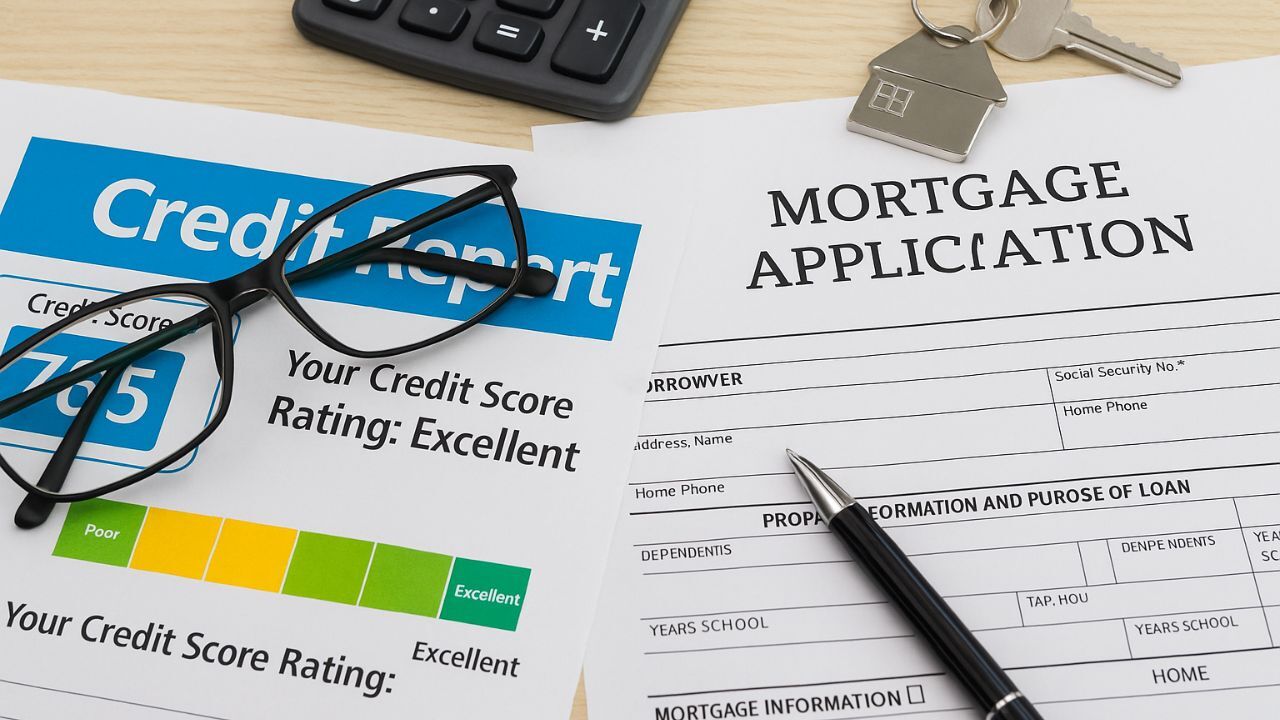
The One Number More Important Than Your Credit Score for Mortgage Approval

July 17, 2025 by Coleen TeBockhorst

When it comes to getting approved for a mortgage, most people immediately think of their credit score. While it is definitely important, there is another number that can play an even bigger role in your approval, our debt-to-income ratio. Also known as DTI, this number gives lenders a clearer picture of your ability to manage monthly payments and overall debt.

What Is Debt-to-Income Ratio
Your debt-to-income ratio is the percentage of your monthly gross income that goes toward paying debts. This includes things like credit cards, car loans, student loans, and the projected mortgage payment. It does not include groceries, utilities, or other everyday expenses. Lenders use this number to assess whether you can realistically afford to take on a new mortgage without becoming overextended.

Why DTI Matters More Than You Think
You could have a great credit score, but if your debt-to-income ratio is too high, it could still disqualify you from getting approved. That is because lenders want to be sure that you can comfortably handle another monthly payment. A strong DTI shows that you are living within your means and that you are in control of your financial obligations.

What Is a Good Debt-to-Income Ratio
As a general rule, most lenders look for a DTI below 43 percent, but lower is always better. If your DTI is 36 percent or under, you are in a strong position. That said, different loan programs may allow for higher ratios based on other factors, such as credit score or savings. This is where working with a mortgage professional really helps—we can explore the loan options that best match your financial picture.

How to Improve Your DTI
Improving your DTI takes a combination of increasing income and reducing debt. If possible, pay down credit card balances, avoid taking on new loans, and look for ways to boost your monthly earnings. Even small adjustments can make a meaningful difference. If buying a home is your goal, give yourself time to improve your numbers and set yourself up for success.

Let’s Take a Look at Your Numbers Together
You do not have to guess where you stand. We can help you understand your debt-to-income ratio, review your credit profile, and give you a clear idea of what kind of mortgage you can qualify for. The more you know, the more confident you can feel moving forward.

Filed Under: Financial Reports Tagged With: Debt to Income, Home Financing, Mortgage Tips

How to Talk to Your Parents About Co-Signing a Mortgage

July 16, 2025 by Coleen TeBockhorst

Asking your parents to co-sign a mortgage can be one of the most vulnerable conversations you will ever have. It is not just about paperwork and finances, it is about trust, timing, and long-term commitment. Whether you are a first-time buyer or trying to qualify for better loan terms, a co-signer can make a big difference, but only if everyone involved is fully informed and comfortable.

Understand What Co-Signing Really Means
Before bringing it up, make sure you understand what co-signing a mortgage involves. A co-signer is not just offering moral support, they are legally agreeing to repay the loan if you cannot. Their credit and financial standing are on the line. Be ready to explain what this means in plain terms and show that you are approaching the conversation with maturity and respect.

Choose the Right Time and Setting
This is not a casual conversation to squeeze in during dinner or between errands. Pick a calm moment when your parents are not distracted or stressed. Let them know ahead of time that you would like to discuss something important and ask for a moment of their time. Creating a respectful and relaxed environment helps everyone stay open and focused.

Share Your Why With Honesty
Parents want to help their children succeed, but they also want to know your intentions. Why is co-signing necessary? Have you explored all other options? How will this help you build stability? Be honest about your financial situation, your goals, and how this opportunity fits into your long-term plan. Show them that you are not just asking for help, you are taking responsibility.

Show That You Are Prepared
Come to the conversation with documentation or research. Outline the loan you are applying for, the projected monthly payments, and how you plan to stay on top of your finances. If possible, have a mortgage professional help you explain the numbers. Demonstrating that you have done your homework builds credibility and reassures them that you are thinking ahead.

Be Ready for Questions and Concerns
This will likely not be a one-and-done conversation. Your parents may have questions about risks, credit, or even emotional concerns. Be patient. Listen to their perspective and be open to their feedback. They may need time to process everything, and that is okay.

Respect Their Decision
No matter how the conversation goes, be grateful for their time and honesty. If they choose not to co-sign, try not to take it personally. There may be financial or emotional reasons you are not aware of. Thank them for considering it and keep working toward your goal, there are always other paths to homeownership. Give us a call and we can discuss all of your options together.

Filed Under: Financial Reports Tagged With: Cosign Help, First Time Buyer, Mortgage Tips

Understanding the Fear Behind Mortgage Debt and How to Move Past It

July 15, 2025 by Coleen TeBockhorst

Buying a home is one of the most exciting milestones in life, but the thought of taking on a mortgage often creates anxiety. The idea of owing hundreds of thousands of dollars can feel overwhelming, even if you are financially stable. If you have ever hesitated to move forward with a home loan out of fear, you are not alone. This emotional reaction is more common than many people realize.

The Emotional Triggers of Debt
Fear of mortgage debt is often tied to our instinct to avoid financial risk. Debt can carry a negative emotional weight, especially for those who have experienced past money struggles or seen loved ones burdened by loans. The very word “debt” can trigger feelings of insecurity, lack of control, and worry. But it is important to recognize that not all debt is bad. A mortgage is different because it is secured by a tangible asset that can increase in value.

The Weight of Long-Term Commitment
A 30-year mortgage can feel like an enormous commitment. It is difficult to picture life that far ahead, and that uncertainty can be unsettling. But when you break it down, a mortgage is made up of monthly payments that are structured, predictable, and designed to fit your budget. Unlike rent, those payments are building equity in something you own, creating long-term value.

Fear of the Unknown
For many people, the mortgage process itself feels intimidating. From pre-approval to closing, the unfamiliar steps and industry terms can feel like a foreign language. That is why working with a trusted mortgage professional matters. My role is to make the process clear, answer your questions, and help you feel confident every step of the way.

Reframing Your Mindset
If fear is stopping you from exploring homeownership, know that it is possible to reframe your thinking. A mortgage is not just a financial transaction; it is an investment in your future. By understanding the process and your options, and by working with someone who puts your goals first, you can move forward with clarity instead of fear.

Homeownership should feel empowering, not overwhelming. Let’s talk through your questions, your budget, and your vision. You do not have to make this journey alone, and it all starts with an open conversation.

Filed Under: Financial Reports Tagged With: Financial Confidence, Homeownership Journey, Mortgage Help

What’s Ahead For Mortgage Rates This Week – July 14th, 2025

July 14, 2025 by Coleen TeBockhorst

This was an extremely light release week with only the Consumer Credit Report. The amount of expected credit was expected to rise but only showed half the growth — a sign that things are still in stable condition. The most important reports will be featured with next week’s releases of inflation data in the Consumer Price Index (CPI) and the Producer Price Index (PPI), as well as the Federal Reserve’s Beige book. The Trump Administration has also further extended the pauses on the tariffs which has been a welcome relief.

Consumer Credit
Total U.S. consumer credit growth slowed to a $5.1 billion gain in May, down from a $16.9 billion rise in the prior month, the Federal Reserve said Tuesday. That translates to a 1.2% annual rate in May, down from a 4% rise in the prior month.

Primary Mortgage Market Survey Index
• 15-Yr FRM rates saw an increase of 0.06% for this week, with the current rates at 5.86%
• 30-Yr FRM rates saw an increase of 0.05% for this week, with the current rates at 6.72%

MND Rate Index
• 30-Yr FHA rates saw an increase of 0.08% for this week, with the current rates at 6.35%
• 30-Yr VA rates saw an increase of 0.08% for this week, with the current rates at 6.37%

Jobless Claims
Initial Claims were reported to be 227,000 compared to the expected claims of 235,000. The prior week landed at 232,000.

What’s Ahead
Consumer Price Index, Producer Price Index, and the Beige Book will be huge determining factors on the direction of decisions for the Federal Reserve.

Filed Under: Financial Reports Tagged With: Financial Report, Jobless Claims, Mortgage Rates

Creative Strategies for Managing Mortgage Payments During Financial Hardship

July 11, 2025 by Coleen TeBockhorst

Financial hardship can happen for many reasons — job loss, medical emergencies, rising expenses, or unexpected life changes. One of the most important steps homeowners can take is to recognize early signs of financial strain. If your savings are shrinking, your income has dropped, or monthly bills are piling up, it is time to take action before falling behind on your mortgage.

Communicate with Your Lender First
Your mortgage lender is not the enemy during a hardship. In fact, most lenders offer solutions if you reach out before missing a payment. Whether you need a temporary pause or a modified payment plan, being proactive shows good faith and opens up more options. Waiting too long can limit your choices and lead to late fees or damage to your credit.

Explore Mortgage Forbearance Options
Forbearance allows you to pause or reduce your mortgage payments for a set period. This was a common strategy during the pandemic, but it is still available in many cases today. You will need to repay the missed amounts later, but forbearance can offer short-term relief while you stabilize your finances. It is not forgiveness, but it is time.

Request a Loan Modification
If your hardship is expected to last longer, a loan modification might be the best solution. This involves adjusting the terms of your existing mortgage to make it more affordable. Your lender might extend the loan term, lower your interest rate, or change the structure of your payments. It helps you stay in your home and avoid foreclosure without needing to refinance.

Use Refinancing as a Long-Term Fix
If your credit and income are still strong enough, refinancing to a lower rate or longer term can reduce your monthly payment. This can provide lasting relief, especially if your financial hardship is due to rising living costs or high interest debt. Talk to a mortgage professional to see if refinancing is a smart move for your situation.

Tap into Home Equity Carefully
If you have equity in your home, you may consider a home equity line of credit or a cash-out refinance to cover temporary expenses. This should be approached carefully, as it increases your loan balance, but in the right scenario it can be a bridge through tough times. Always consult with a trusted advisor before making this move.

Look for State or Local Assistance Programs
Many states and counties offer mortgage assistance grants or zero-interest loans to homeowners facing hardship. These programs are often income-based and time-sensitive, so explore your eligibility sooner rather than later. Nonprofit housing counselors can also guide you through the application process and help with budgeting.

You Are Not Alone in This
Millions of homeowners have faced financial hardship and successfully navigated through it. The key is early action, clear communication, and exploring creative solutions. Your home is more than a place to live, it is your investment, your future, and your stability. With the right strategies and support, you can protect it.

Filed Under: Mortgage Tips Tagged With: Financial Hardship, Mortgage Payments, Mortgages

Creative Ways to Use Rent-to-Own Agreements to Buy a Home

July 10, 2025 by Coleen TeBockhorst

A rent-to-own agreement is a contract that allows a tenant to rent a home with the option to buy it later. Part of the monthly rent payment typically goes toward the future down payment or purchase price. This approach can be ideal for buyers who need more time to improve their credit, save money, or get financially ready for homeownership. It blends the flexibility of renting with the long-term goal of owning.

Why Rent-to-Own Appeals to Future Buyers
Rent-to-own is especially attractive to those who may not yet qualify for a traditional mortgage but are motivated to own a home. It provides time to build credit, stabilize income, or pay off debt while locking in the current market value of a home. In fast-moving housing markets, this can be a smart strategy to beat rising home prices.

Build Equity While Renting
One creative advantage of rent-to-own is that you are investing in your future home while still renting. A portion of your rent is credited toward your future purchase, which means you are slowly building equity even before you officially own the home. This is a valuable financial bridge for buyers who need time to secure a mortgage but want to get ahead in the market.

Use the Lease Period to Prepare Financially
Rent-to-own contracts typically last one to three years, giving you time to get financially ready. You can use this period to improve your credit score, build savings for closing costs, and pay down other debt. You are essentially buying time while still making progress toward homeownership.

Negotiate Flexible Terms
Another creative way to use rent-to-own is by negotiating flexible contract terms. Some agreements allow you to extend the lease period or adjust the purchase price based on market conditions. You might also negotiate repair responsibilities, giving you time to slowly update the home before you buy it. Every agreement is unique, and working with a real estate professional can help you customize terms to fit your goals.

Test the Home and Neighborhood First
A major perk of rent-to-own is the chance to  test drive  the home before committing. You will learn how it feels to live in the space, discover any maintenance issues, and get a sense of the neighborhood. This insight can help you make a more informed decision when the time comes to purchase.

Partner with the Right Professionals
It is essential to work with professionals who understand the legal and financial aspects of rent-to-own. A knowledgeable real estate agent or attorney can help ensure the agreement is fair and protects your interests. Mortgage professionals can guide you on what steps to take during the rental period to prepare for a successful mortgage application later.

Smart Pathway to Ownership
Rent-to-own is not just a last resort, it can be a smart, strategic way to achieve homeownership when used creatively. With the right plan, clear goals, and expert support, it allows buyers to move forward with confidence and purpose.

Filed Under: Home Buyer Tips Tagged With: First Time Home Buyer, Home Buying Tips, Rent-to-Own Agreements

The Psychology of Homebuying and Emotions vs. Financial Logic

July 9, 2025 by Coleen TeBockhorst

Buying a home is not just a financial decision, it is an emotional one too. For many people, homeownership represents stability, success, and personal freedom. Whether it is the excitement of finding your dream kitchen or imagining holidays with family, emotions naturally come into play. These feelings can create a strong connection to a property and often influence the decisions buyers make, sometimes even more than logic does.

Why Emotions Often Drive Decisions
When touring homes, buyers may be swayed by how a space makes them feel rather than what fits their budget or long-term needs. It is easy to fall in love with a charming entryway or beautiful backyard and overlook less visible but important details like the age of the roof or the neighborhood s future growth. Emotions can also cause buyers to rush decisions or engage in bidding wars that push them over budget.

Balancing Heart and Head
While emotions are a natural part of the process, financial logic should not be ignored. It is important to create a budget before you start house hunting and stick to it. This includes factoring in monthly payments, property taxes, maintenance, and insurance. A home that feels perfect today might become a burden if it stretches your finances too far. Staying grounded in what you can realistically afford helps prevent regret after the keys are in your hand.

The Role of Pre-Approval and Planning
Getting pre-approved for a mortgage is one of the best ways to set realistic expectations and bring logic into the process early. Knowing your price range helps you avoid falling in love with homes that are out of reach. Working with a trusted mortgage advisor can also help clarify how much you are truly comfortable spending, not just what you qualify for on paper.

Using a Real Estate Agent as a Neutral Guide
An experienced real estate agent can act as a buffer between your emotions and your financial goals. They can point out pros and cons that might be overlooked in the excitement of a showing. A good agent understands the psychology of homebuying and helps you stay focused on your priorities, even when your heart wants to lead the way.

Taking a Pause to Reflect
If you find yourself emotionally attached to a property, take a step back and revisit your list of must-haves and nice-to-haves. Ask yourself if the home truly aligns with your lifestyle and goals. Sometimes taking a night to think before making an offer can provide the clarity you need to make a confident decision.

Smart Homebuying Is About Balance
The best homebuying decisions come from a balance of emotion and logic. It is okay to fall in love with a home, but make sure your heart and budget are aligned. Buying a home is a big step, and approaching it with both excitement and a clear financial plan sets you up for long-term happiness.

Filed Under: Home Buyer Tips Tagged With: Emotions vs Logic, First Time Home Buyer, Home Buying Tips

How to Finance Energy-Efficient Home Improvements with a Mortgage

July 8, 2025 by Coleen TeBockhorst

As more homeowners look for ways to reduce utility bills and make their homes environmentally friendly, energy-efficient improvements have become a smart investment. The good news is that you do not need to pay out of pocket for all the upgrades at once. There are mortgage financing options that allow you to make energy-efficient improvements while also making your home more comfortable and affordable in the long run.

One of the most common ways to finance these improvements is through an Energy Efficient Mortgage, or EEM. This type of loan is designed to help borrowers finance energy-saving upgrades as part of their home purchase or refinance. With an EEM, the cost of improvements is rolled into the total mortgage amount. This means you are not required to take out a separate loan or use a credit card to cover the cost. EEMs are available through both conventional and government-backed loan programs including FHA and VA loans.

If you are purchasing a home that needs new insulation, solar panels, or high-efficiency HVAC systems, you can include those upgrades in your initial mortgage. The lender will often require a home energy assessment to determine the projected energy savings. If the savings are greater than the cost of the improvements, it can strengthen your approval odds.

Another option is a renovation loan such as the FHA 203k or Fannie Mae’s HomeStyle Renovation loan. These programs allow borrowers to finance both the home purchase and the cost of energy-efficient upgrades into a single mortgage. This is particularly helpful for buyers interested in fixer-uppers or older homes in need of major energy-saving renovations.

For homeowners who already have a mortgage but want to upgrade, a cash-out refinance may be the right solution. With a cash-out refinance, you can access a portion of your home’s equity and use the funds to make energy-efficient improvements. While this option does increase your loan balance, the potential savings on monthly utility bills and increased home value often make it a worthwhile investment.

Many states offer local programs and incentives for energy-efficient upgrades, including rebates and tax credits. It is worth checking what is available in your area, as combining those incentives with mortgage financing can significantly reduce your out-of-pocket costs.

Energy-efficient improvements not only lower your energy bills, they also make your home more marketable in the future. Buyers are increasingly interested in homes with sustainable features, meaning the investment you make today can pay off later when it is time to sell.

Before choosing a financing option, talk with a mortgage professional who understands the different programs available and can guide you through the process. Whether you are buying, refinancing, or renovating, there are ways to finance energy-efficient upgrades that make sense for your long-term goals.

Filed Under: Mortgage Tagged With: Energy Efficiency, Green Mortgage, Home Upgrades

« Previous Page
Next Page »

Contact Coleen

Coleen Tebockhorst

Coleen TeBockhorst
coleen.tebockhorst@citywidehm.com

Senior Loan Officer

Call me! (612) 701-8512

NMLS #274205

Download My Mortgage eGuide today

CW Home Mortgage logo_White

Guaranteed Rate, Inc. DBA Citywide Home Mortgage

Categories

Our Location

10591 165th St. West
Lakeville MN, 55044

Connect With Me

This site is not authorized by the New York State Department of Financial Services. No mortgage loan applications for properties located in New York will be accepted through this site. Operating in the state of California as Guaranteed Rate, Inc. D/B/A Citywide Home Mortgage. If you are a California resident, please review our Privacy Policy to learn more about the categories and business purpose of personal information we may collect and your right to opt-out from the sale of personal information.

Applicant subject to credit and underwriting approval. Not all applicants will be approved for financing. Receipt of application does not represent an approval for financing or interest rate guarantee. Refinancing your mortgage may increase costs over the term of your loan. Restrictions may apply. All information provided in this publication is for informational and educational purposes only, and in no way is any of the content contained herein to be construed as financial, investment, or legal advice or instruction. Citywide Home Mortgage does not guarantee the quality, accuracy, completeness or timelines of the information in this publication. While efforts are made to verify the information provided, the information should not be assumed to be error-free. Some information in the publication may have been provided by third parties and has not necessarily been verified by Citywide Home Mortgage. Citywide Home Mortgage, its affiliates and subsidiaries do not assume any liability for the information contained herein, be it direct, indirect, consequential, special, or exemplary, or other damages whatsoever and howsoever caused, arising out of or in connection with the use of this publication or in reliance on the information, including any personal or pecuniary loss, whether the action is in contract, tort (including negligence) or other tortious action.

Coleen TeBockhorst NMLS ID: 274205 Copyright © 1998-2025 Guaranteed Rate, Inc. D/B/A Citywide Home Mortgage. All rights reserved.

For licensing information, go to: www.nmlsconsumeraccess.org.

NMLS License #2611 – 3940 N Ravenswood Chicago, IL 60613. (866) 508-5515. Equal Housing Lender.

Licensing | Privacy | Terms of Use

Copyright © 2026 · Powered by MySMARTblog

Copyright © 2026 · Genesis Sample Theme on Genesis Framework · WordPress · Log in