 Securing a mortgage can be challenging for self-employed borrowers, especially those with irregular income. Traditional lenders typically rely on W-2s and steady paychecks to assess financial stability, which can make qualifying more complex for business owners, freelancers, and gig workers. However, several mortgage options cater specifically to self-employed individuals, allowing them to secure financing based on alternative income verification methods.
Challenges for Self-Employed Borrowers
Lenders evaluate mortgage applicants based on income consistency, tax returns, and debt-to-income (DTI) ratio. Self-employed borrowers often face hurdles such as:
- Fluctuating income that makes it harder to demonstrate financial stability
- Tax deductions that reduce taxable income, making it appear lower than actual earnings
- Limited W-2 documentation, requiring extensive financial paperwork
Mortgage Options for Self-Employed Borrowers
- Bank Statement Loans
Instead of tax returns, lenders assess income based on 12 to 24 months of bank statements. This is ideal for borrowers who maximize tax deductions but maintain strong cash flow. - Profit and Loss (P&L) Statement Loans
Some lenders allow a CPA-prepared profit and loss statement to verify income instead of tax returns. This works well for borrowers with significant write-offs. - Debt Service Coverage Ratio (DSCR) Loans
For real estate investors, DSCR loans focus on a property’s income rather than the borrower’s personal income. This allows investors to qualify based on rental cash flow. - No-Doc and Stated Income Loans
Certain lenders offer no-documentation or stated-income loans, though they often come with higher interest rates and larger down payment requirements. - Traditional Loans with Adjusted Documentation
Self-employed borrowers may still qualify for conventional or government-backed loans (FHA, VA, USDA) by providing two years of tax returns, business financials, and additional documentation.
Improving Mortgage Eligibility
- Maintain strong credit, as a higher credit score can help offset income variability
- Show consistent deposits in bank statements to strengthen income verification
- Lower the debt-to-income ratio by paying down existing debts
- Work with lenders who specialize in self-employed borrowers and alternative income verification
While self-employed borrowers may face extra hurdles, there are plenty of mortgage options designed to accommodate irregular income. By understanding these loan programs and preparing documentation strategically, self-employed individuals can successfully secure home financing.
 For real estate investors and homeowners looking to purchase additional properties, rental income can play a crucial role in mortgage qualification. Lenders often consider this income when assessing a borrower’s ability to repay a loan, but the way it is calculated and applied varies based on different loan programs and underwriting guidelines. Understanding how rental income factors into mortgage approval can help buyers maximize their borrowing potential and secure favorable financing terms.
 When purchasing a home in a community with a Homeowner’s Association (HOA), it’s important to understand how this organization can impact your mortgage approval. While HOAs provide benefits like maintaining neighborhood amenities and enforcing community standards, they also add financial obligations that lenders consider when evaluating your loan application.
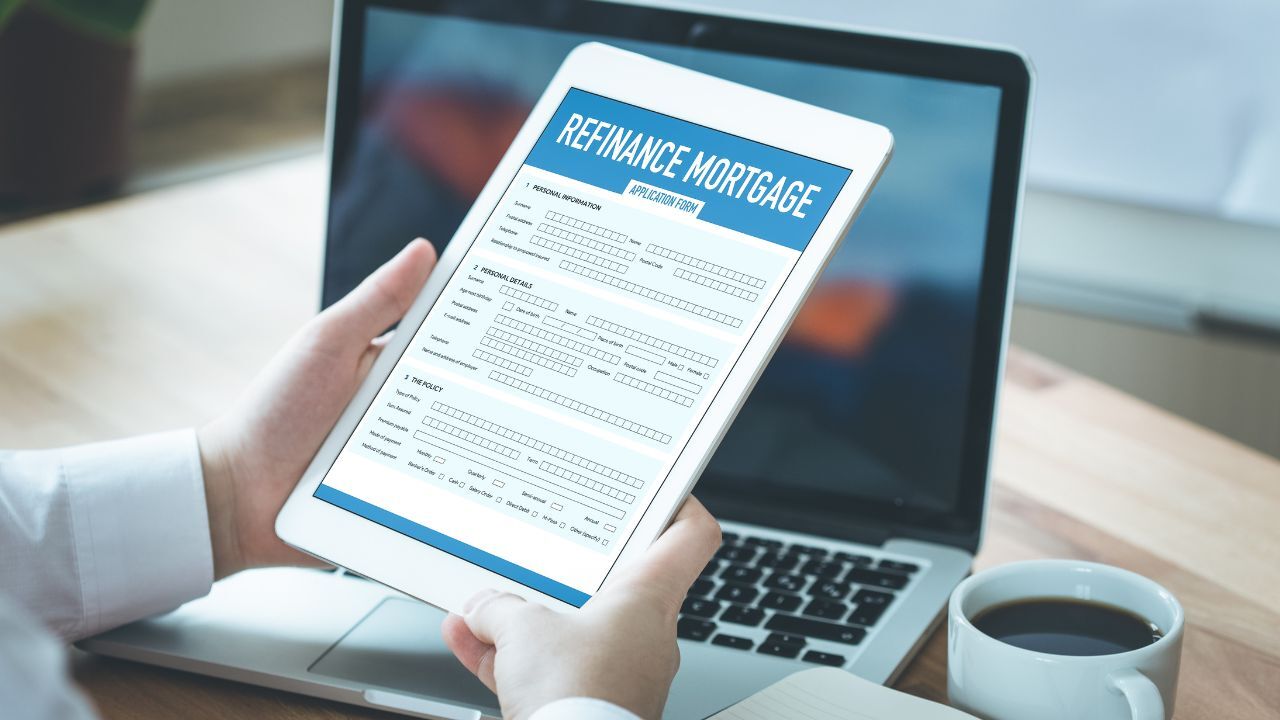 Buying a home is one of the most significant financial decisions a person can make, and understanding the costs involved is essential. Online mortgage calculators have become a valuable tool for borrowers, helping them estimate monthly payments, compare loan options, and determine affordability, all from the convenience of their computer or phone.
 Buying a home is an exciting milestone, but if you are on a visa or have a green card, you may wonder how your immigration status impacts your mortgage options. The good news is that many lenders offer home loans to non-citizens, though the process may involve additional requirements. Understanding your options can help you navigate the path to homeownership with confidence.
 Buying a home is an exciting milestone, but it also comes with a range of upfront costs that can add up quickly. One of the biggest financial concerns for many homebuyers is closing costs. These expenses, which typically range from 2 to 5 percent of the home’s purchase price, can put a strain on your budget. If you are wondering whether you can roll your closing costs into your mortgage to reduce your upfront expenses, the answer depends on the type of loan you are using and your lender’s guidelines.
 Buying a home is a major financial milestone, and saving for a down payment can be one of the biggest challenges. If you’re struggling to gather the necessary funds, you might be considering using your 401(k) retirement savings to cover the cost. While this option is available, it’s essential to weigh the potential benefits and risks before making a decision.
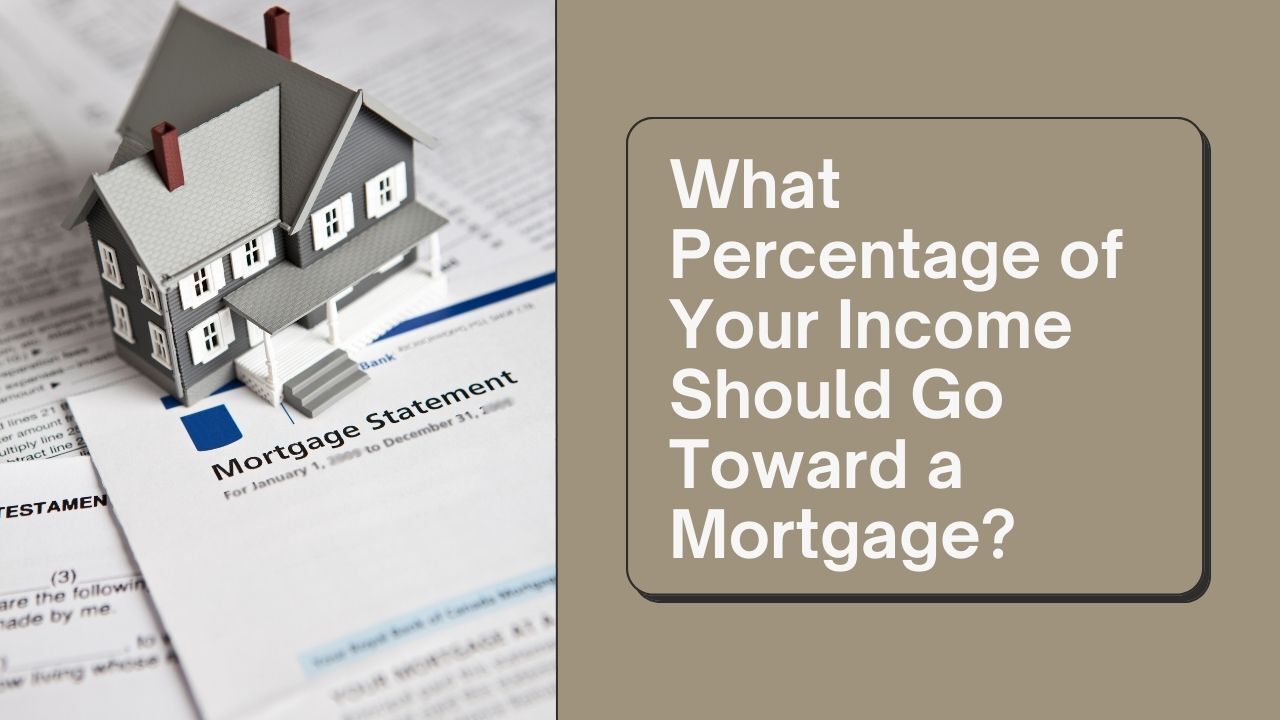 When buying a home, one of the most critical financial decisions is determining how much of your income should go toward your mortgage. Striking the right balance ensures that you can comfortably afford your home without stretching your budget too thin. Lenders use various guidelines to help buyers determine affordability, but personal financial goals and lifestyle should also factor into the decision.