
A number of important consumer related data reports were released last week, giving us a clearer picture on inflation impacts and the state of the economy on a broader scale. First up, looking at the First Revision of GDP numbers, we are seeing they had fallen slightly below expectations, but still showing the economy has not deflated at all as of the result of the prior years’ repeated rate hikes.
With inflation trending down, this makes for a convincing argument that rate cuts are due this year. This also sets the stage for the official consumer confidence reports, revealing mounting anxiety regarding the political climate of the nation, marking the first decline in four months.
Next up, PCE and Personal Income spending has shown that in a number of areas, inflation is still impacting a number of factors for the consumer and general cost of living. Personal spending was expected to slow, but the slowing has been more impactful than anticipated. Despite this, across lending partners and markets alike, there is a consensus that rate cuts are highly likely.
GDP (First Revision)
The growth rate of the U.S. economy in the fourth quarter was downgraded slightly to a 3.2% annual pace, but the economy continues to grow swiftly and is showing few signs of slowing down. Originally, the government said gross domestic product had expanded at a 3.3% rate in the final three months of 2023. The figure is adjusted for inflation.
Consumer Confidence
Consumer confidence retreated in February from a six-month high, partly due to the angst surrounding the U.S. presidential election. The closely followed index fell to 106.7 from a revised 110.9 in January, the Conference Board said Tuesday. It was the first decline in three months.
PCE Index
Inflation rose in January at the fastest pace in four months, based on the Federal Reserve’s preferred PCE gauge, in a sign price pressures might not return to low pre-pandemic levels as quickly as hoped.
The PCE index rose 0.3% last month, the government said Wednesday. That matched the forecast of economists polled by The Wall Street Journal.
Consumer Spending
Consumer spending in the U.S. got off to a slow start in the new year, perhaps a hangover from a big holiday shopping season. Household outlays increased by a mere 0.2% last month, the government said Thursday. It was the smallest increase in three months.
Pending Home Sales Report
Pending home sales fell 4.9% in January as rising mortgage rates pushed buyers out of the housing market, according to the monthly index released Thursday by the National Association of Realtors (NAR).
Primary Mortgage Market Survey Index
• 15-Yr FRM rates are seeing a decrease by -0.03% with the current rate at 6.26%
• 30-Yr FRM rates are seeing an increase by 0.04% with the current rate at 6.94%
MND Rate Index
• 30-Yr FHA rates are seeing a -0.07% decrease for this week. Current rates at 6.57%
• 30-Yr VA rates are seeing a -0.10% decrease for this week. Current rates at 6.57%
Jobless Claims
Initial Claims were reported to be 215,000 compared to the expected claims of 210,000. The prior week landed at 202,000.
What’s Ahead
This upcoming week, we have the non-farm payrolls which indicates how much payroll increases have kept up with inflation. Along with that is the Federal Reserve’s Beige Book and U.S. Trade Balance, which has been in a deficit for some time; although the broader impact on the economy has not yet been determined by this.
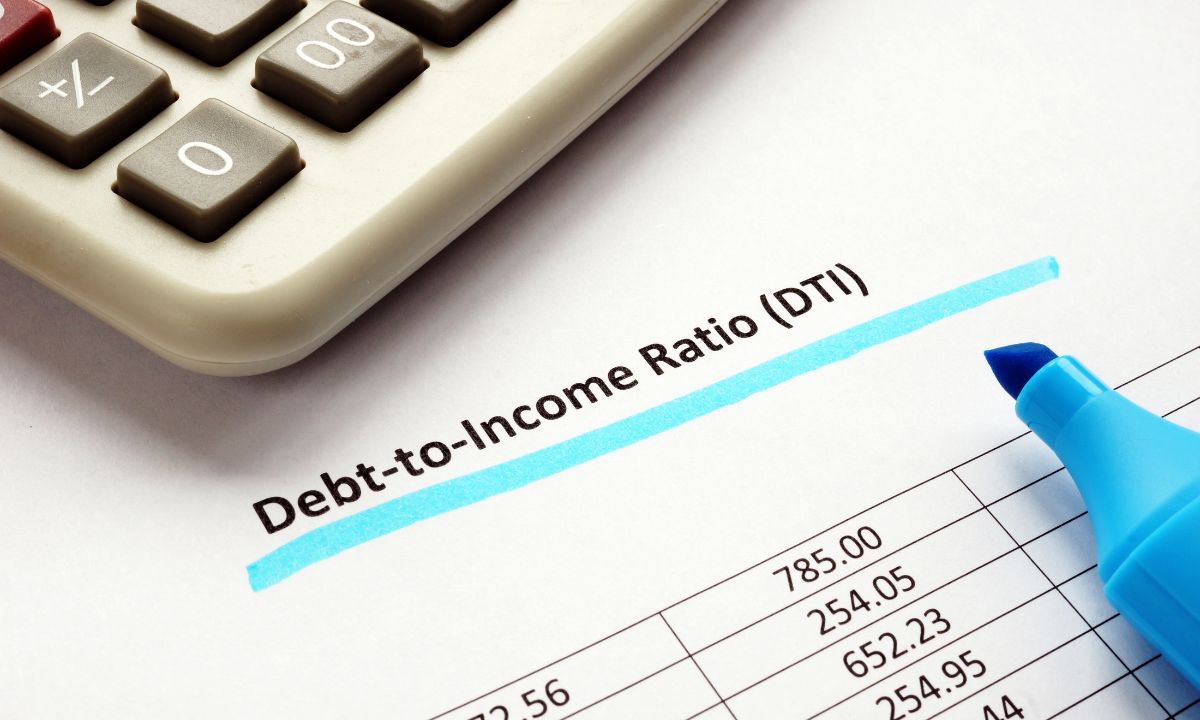 When it comes to securing a mortgage for your dream home, there’s a crucial number that can make or break your application: your debt-to-income ratio (DTI). Understanding and managing your DTI is essential for navigating the mortgage approval process smoothly. Let’s delve into what DTI is, why it matters, and how you can calculate it.
 Investing in your home by remodeling or renovating is an excellent way to increase its value. However, a significant renovation project can quickly turn into a disaster, especially for those who are inexperienced. Let’s take a look at four of the more common home renovation mistakes that homeowners make and how you can avoid them.
 As our world becomes increasingly conscious of sustainability, it’s crucial to understand how the environment can shape the value of your home or potential investment. Let’s explore the various ways in which environmental factors play a significant role in the real estate market.
 Undertaking home renovations can be an exciting endeavor, whether you’re looking to enhance your living space, increase property value, or simply modernize your home. However, financing these projects can often pose a significant challenge. While personal loans and refinancing are popular options for funding renovations, it’s important to weigh the advantages and disadvantages before deciding.
 What happens when you suddenly get a notice to pay your mortgage to a company you may have never heard of? How do you determine if this is a legitimate request or a scam?
 A good originator goes beyond mere transactions, prioritizing long-term relationships and client well-being. Look for originators who communicate proactively, offer empowering resources, provide personalized attention, maintain transparency, engage with the community, and celebrate milestones. By focusing on these qualities, consumers can ensure they partner with an originator who not only facilitates the mortgage process but also serves as a trusted advisor on their homeownership journey.
 As with most everything, timing is often key to unlocking substantial savings, especially when it comes to refinancing your loans. Whether you’re eyeing a lower interest rate, aiming to shorten your loan term, or simply seeking to tap into equity, strategic timing can significantly impact your financial outcomes. It is vital for a loan originator to empower the borrower with the knowledge of when to refinance.