 Are you considering taking the leap into homeownership, but feeling overwhelmed by the options? Purchasing your first home is an exciting milestone, but it can also be a daunting process. One option that may be particularly appealing for first-time homebuyers is a condominium, or condo for short. We will explore why a condo could be the perfect fit for your first venture into homeownership.
Affordability: Condos often come with a more manageable price tag compared to single-family homes. For first-time buyers, affordability is a crucial factor to consider when taking out a mortgage. Condos typically have lower upfront costs and ongoing maintenance expenses, making them an attractive option for those on a budget.
Amenities: One of the perks of condo living is access to shared amenities such as gyms, pools, and community spaces. These amenities can enhance your quality of life and provide opportunities for socializing with your neighbors. Additionally, many condo associations take care of maintenance tasks like landscaping and snow removal, saving you time and effort.
Location: Condos are often located in prime urban or suburban areas, offering convenient access to amenities, entertainment, and public transportation. If you value being close to the heart of the action, a condo might be the ideal choice for your first home purchase. Plus, proximity to urban centers can potentially increase the value of your investment over time.
Low Maintenance: Say goodbye to mowing the lawn or shoveling snow! Condo living typically means less maintenance responsibilities compared to owning a standalone house. With a condo, you can enjoy the benefits of homeownership without the hassle of exterior upkeep. This can be especially appealing for busy professionals or individuals who prefer a more maintenance-free lifestyle.
Security: Many condominium complexes offer added security features such as gated entrances, surveillance cameras, and on-site security personnel. This can provide peace of mind for first-time buyers concerned about safety and security. Knowing that your home is part of a secure community can make the transition to homeownership feel more comfortable and secure.
Investment Potential: While no investment is guaranteed, condos can be a smart investment choice for first-time buyers. As property values appreciate over time, owning a condo can build equity and potentially increase your net worth. Additionally, condos can offer rental income opportunities if you decide to move out in the future but hold onto your property as an investment.
Purchasing a condo can be an excellent option for first-time homebuyers looking to dip their toes into the world of homeownership. From affordability and amenities to location and low maintenance, condos offer a variety of benefits that make them an attractive choice for many individuals and families. As you explore your options and take the exciting step toward purchasing your first home, consider whether a condo might be the perfect fit for you.
 If you are thinking about buying a new home shortly, you may already be searching online to get a feel for the different types of homes available in the local area. You may have reviewed your budget, and you may have a fair idea about a sales price that is comfortable for you to afford.
 Whether you’re a first-time homebuyer or a seasoned homeowner considering a refinance, the term “escrow account” often looms as a source of confusion. Yet, understanding the ins and outs of escrow accounts is crucial for managing your homeownership responsibilities effectively. In this article, we’ll address some common questions and concerns regarding escrow accounts to shed light on their importance and functionality.
 While watching shows like Property Brothers, Flip or Flop, Fixer to Fabulous, Fix My Flip and Fixer Upper may paint a rosy picture of buying a remodeled home, the reality often differs significantly. While these shows depict smooth transformations and stunning results, real-life experiences with remodeled homes can be far more complex and challenging.
 This week is the release of Core CPI and PPI numbers for January. The only data release of note is the trade deficit and the usual unemployment reports for the prior week. The current trade deficit for the U.S. is operating precisely within expectations and correlating GDP numbers. This current week will provide further guidance for the Federal Reserve as the next release of inflation data is released.
 Welcome to the world of home renovation, where dreams meet reality and your property’s potential is waiting to be unleashed. If you’re contemplating a home renovation project, you’re likely wondering which upgrades will not only enhance your living space but also add significant value to your property. In this blog post, we’ll explore the top home renovations that provide the best return on investment (ROI), helping you make informed decisions and turn your home into a valuable asset.
 For self-employed professionals, the mortgage process can feel like passing through a maze, fraught with challenges and uncertainties. Traditional lending standards often favor individuals with stable, predictable incomes, leaving entrepreneurs and freelancers in a precarious position. However, there’s a solution gaining traction in the mortgage industry: Non-Qualified Mortgages (Non-QM). We’ll explore how self-employed individuals can successfully navigate the mortgage landscape, leveraging non-QM lending to their advantage.
 Home flipping – a journey that transforms neglected fixer-uppers into profitable investments. If you’re considering entering the real estate game or looking to enhance your flipping skills, you’ve come to the right place. Let’s explore some tried-and-true strategies that can help you turn those distressed properties into lucrative ventures.
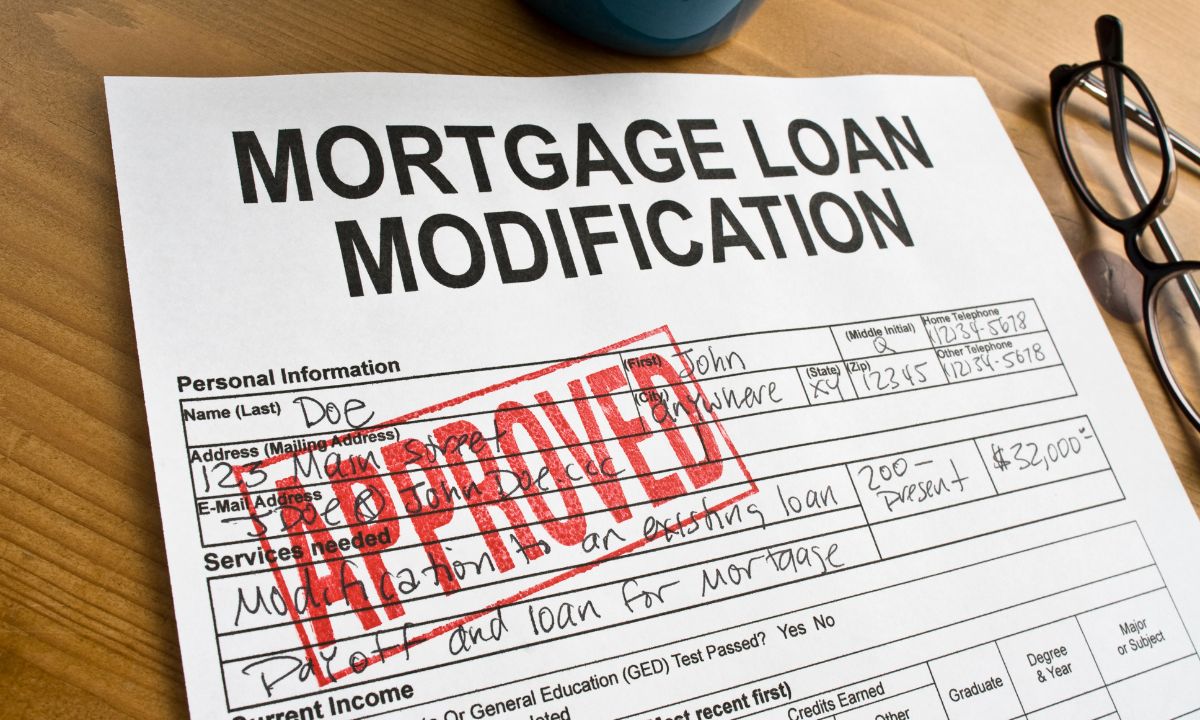 In times of financial hardship, such as job loss, medical emergencies, or economic downturns, homeowners may find it challenging to keep up with their mortgage payments. When facing such difficulties, understanding options like mortgage forbearance and loan modification can be crucial for maintaining stability and avoiding foreclosure. Let’s discuss what homeowners need to know about mortgage forbearance and loan modification, including their differences, implications, and how to navigate these options effectively.
 The largest and most impactful financial data being released is as always the Federal Reserve rate decision. This time it fit well within the expectations across the broader market and lending partners, in that the Federal Reserve still remains to hold the current standing, and is showing push back on any potential rate cuts coming March when the next rate decision is planned.