 Embarking on a home construction project is an exciting journey that can lead to your dream home becoming a reality. However, the financial aspects of building a home can be challenging to navigate. This is where construction-to-permanent loans come into play. These unique financing options offer a range of benefits that can make the construction process more manageable and affordable. We will discuss the advantages of construction-to-permanent loans and how they can benefit homeowners.
What Is A Construction-to-Permanent Loan?
Construction-to-permanent loans, also known as CTP loans, are a type of financing that combines two separate loans into one convenient package. The first part of the loan is used to cover the costs of building the home, while the second part converts into a traditional mortgage once the construction is completed. This seamless transition from construction financing to a permanent mortgage is what sets CTP loans apart and makes them a valuable tool for homebuilders.
Benefits of Construction-to-Permanent Loans
Simplified Financing: One of the primary benefits of CTP loans is the simplicity they bring to the construction financing process. Instead of dealing with two separate loans, borrowers can streamline their financing into a single package. This reduces paperwork, simplifies budgeting, and makes it easier to manage the financial aspects of building a home.
One-Time Closing: In a traditional construction loan, borrowers must close on the construction loan and then go through a second closing for the permanent mortgage. This often means additional fees and paperwork. With CTP loans, there’s only one closing. You save on closing costs, and the process is more convenient and efficient.
Fixed Interest Rates: Construction loans typically have variable interest rates that can fluctuate with the market. This can lead to uncertainty in your budget. In contrast, CTP loans often offer fixed interest rates for the entire loan term. This provides stability and predictability in your monthly mortgage payments.
Flexible Loan Terms: Construction-to-permanent loans typically offer a range of loan term options, allowing you to choose the term that best suits your financial situation. This flexibility enables you to tailor your mortgage to your specific needs and preferences.
Lock-in Rates: With a CTP loan, you can lock in your mortgage interest rate at the beginning of the construction process. This protects you from any potential future interest rate increases, which can save you money over the life of the loan.
No Requalification: Once your home is completed, and your construction loan converts into a permanent mortgage, you don’t need to requalify for the loan. This can be especially beneficial if your financial circumstances change during the construction process, as long as you meet the initial qualifying criteria.
Lower Down Payment: Many construction-to-permanent loans offer competitive down payment requirements, often lower than what you might find with traditional mortgages. This can be a significant advantage, especially for first-time homebuilders who may not have substantial savings.
Construction-to-permanent loans offer a streamlined and cost-effective solution for financing the construction of your dream home. The convenience of a single closing, fixed interest rates, and flexible terms make these loans an attractive option for prospective homeowners. Whether you’re building your first home or your forever home, CTP loans can help make your dream home a reality while providing financial stability and peace of mind. If you’re considering a construction project, it’s worth exploring the benefits of construction-to-permanent loans as a viable financing option.
 Becoming a homeowner in a foreign land is an exciting yet intricate journey. For non-U.S. citizens, securing a mortgage in the United States involves understanding and meeting specific requirements. We will explore the essential prerequisites and considerations for non-U.S. citizens aspiring to own a piece of the American dream.
 When it comes to purchasing Real Estate, the traditional financing options may not always be the perfect fit for every aspiring homeowner. Fortunately, a range of alternative financing options exists, offering innovative solutions that cater to diverse financial circumstances. Here are some creative financing avenues that empower homebuyers to achieve their dream of homeownership: rent-to-own, lease-purchase agreements, and shared equity arrangements.
 If you’re planning to remodel or renovate your home in the near future – whether to provide a better living environment or as part of a house flip – you’ll need to find a way to pay for your home improvements. There are several different possible sources of renovation money, each with its own advantages and disadvantages. One option that is gaining popularity is mortgage refinancing.
 With both CPI and PPI reports well within expectations, there is a favorable reception across the broader market spectrum that these reports are a strong sign that the Federal Reverse will begin rate cuts in 2024. A soft landing for the economy is the primary goal of the Federal Reserve, and it would seem their measures have had the intended impact with the Jobless claims seeing a recent new low and many of the primary economic signals pointing to a stable 2024.
 The journey to homeownership is a thrilling adventure, but it comes with its fair share of challenges. One crucial aspect that can significantly influence the mortgage process is the appraisal value of your prospective home. The appraisal value plays a pivotal role in determining the amount a lender is willing to extend to you, making it essential to understand its impact. We will explore the intricacies of how appraisal values can affect your mortgage and provide valuable tips on handling discrepancies.
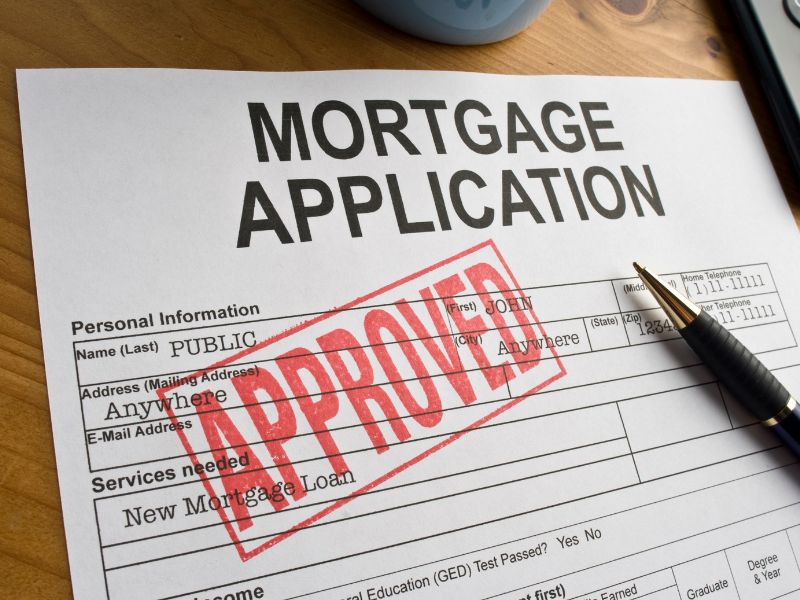 There are few things better than finding your dream home and being able to afford it, but simply because you’ve found the perfect place doesn’t mean you should stretch the truth. It might seem tempting to polish your mortgage application a little in the hopes of making a better impression, but here are a few reasons why you should stick to the truth when signing off on your home.
 When you’ve finally found the home you’re looking for at the right price, it’s easy to think that the hard part is over; however, there’s still a lot to do in order to ensure your purchase goes through without a hitch. If you’re tying up the loose ends on your home purchase, here are some things you should do to avoid any unnecessary delays.
 Pre-approval and pre-qualification are terms commonly used in the context of mortgage loans, but they can also apply to other types of loans. While they sound similar, they have different meanings and implications in the loan application process: