 A home warranty is a type of service contract that provides coverage for repairs or replacements of major systems and appliances in a home. It typically covers items such as heating and cooling systems, electrical systems, plumbing, water heaters, and kitchen appliances.
Home warranties are purchased by homeowners to protect against unexpected expenses for repairs or replacements that may occur due to normal wear and tear.
When a covered item breaks down, the homeowner can contact the home warranty company, which will send a qualified technician to diagnose and repair the issue. If the item cannot be repaired, the home warranty company will typically replace it with a similar model.
It is important to note that home warranties are not the same as homeowners’ insurance. Homeowners insurance covers damage to the structure of the home and personal belongings due to unexpected events such as fires, storms, or theft. Home warranties, on the other hand, cover the repair or replacement of items due to normal wear and tear.
What’s generally included in a home warranty?
The items that are typically included in a home warranty can vary depending on the specific plan and provider, but they generally cover major systems and appliances in a home that are subject to normal wear and tear. Some of the most common items included in a home warranty are:
Heating and Cooling Systems – This typically includes coverage for furnaces, heat pumps, air conditioning units, and ductwork.
Electrical Systems – Issues with your home’s electrical system can be expensive and dangerous. Having these covered makes sure that your home stays safe. This includes coverage for the main electrical panel and wiring throughout the home.
Plumbing Systems – Just like electrical repairs, plumbing issues often require a professional and can cause major problems if not fixed right away. Having these things covered by a home warranty will cut repair costs and includes coverage for the water heater, pipes, and drains.
Kitchen Appliances – This includes coverage for the refrigerator, oven, dishwasher, and built-in microwave.
Laundry Appliances – This includes coverage for the washer and dryer.
Garage Door Opener – This includes coverage for the garage door opener and related components.
It’s important to note that while these items are typically included, each home warranty plan is different, so it’s important to read the details of the plan to understand what is and is not covered. Additionally, there may be optional add-ons available for specific items or systems that are not covered under the basic plan.
 Hiring a home contractor can be a daunting task, as the success of your home renovation or construction project depends largely on the competence of the contractor you choose. Here are some critical tips to consider when hiring a home contractor:
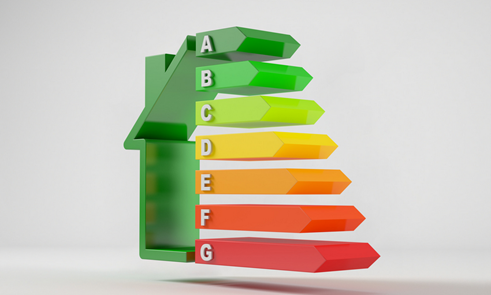 In today’s environmentally conscious world, finding ways to save on energy costs has become increasingly important. One effective method to achieve both goals is by conducting a home energy audit. A home energy audit is a comprehensive assessment of your home’s energy efficiency and helps identify areas where energy is being wasted.
 Mortgage loans are an essential aspect of financing the purchase of a property. Among the various types of mortgages available, one option that may be advantageous for both buyers and sellers is an assumable mortgage loan.
 Last week’s economic reporting included readings on month-to-month and year-over-year inflation and consumer sentiment. Weekly readings on mortgage rates and jobless claims were also published.
 When buying or selling a property, one crucial step in the process is obtaining an appraisal to determine its value. Appraisals provide an objective assessment of a property’s worth, influencing important decisions such as mortgage approvals, negotiations, and even insurance premiums.
 In an era where environmental consciousness and cost savings are top priorities for homeowners, smart home technology has emerged as a game-changer. With the ability to automate and optimize various aspects of your home, smart home upgrades offer numerous benefits, including energy efficiency and reduced utility bills.
 When you’re in the process of buying a home, one of the most important steps is obtaining a mortgage approval. This approval signifies that a lender is willing to offer you a loan to finance your dream home. The timeline for getting a mortgage approval can vary depending on several factors.
 When it comes to applying for a mortgage, lenders take various factors into account to determine your eligibility. One crucial aspect they consider is your employment history. Your employment history provides lenders with valuable insights into your financial stability, income consistency, and ability to repay the loan.
 Last week’s scheduled economic reporting included readings on construction spending, June’s FOMC meeting minutes, and reports on jobs and the national unemployment rate. Weekly readings on mortgage rates and jobless claims were also released.