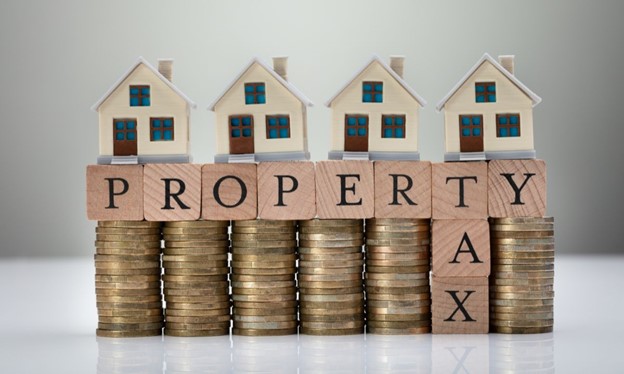
 Property taxes can be a substantial financial burden for homeowners and property owners. Each year, local governments assess the value of properties to determine the amount of property tax owed. However, these assessments are not always accurate and can result in higher tax bills than necessary. Disputing your property tax assessment is a proactive way to potentially save money and ensure you’re paying a fair and equitable amount.
Reasons for Flawed Assessments:
Property tax assessments are not immune to errors and discrepancies. Several reasons can lead to an inaccurate evaluation of your property:
- Market Value Misjudgment: Assessors may rely on outdated or incorrect data, leading to the misjudgment of your property’s market value.
- Assessment Methodology: The methodology used to calculate property values might not consider all relevant factors, such as recent improvements or neighborhood changes.
- Comparable Properties: Assessors may use inappropriate comparables that lead to an inflated assessment that does not accurately reflect your property’s true value.
- Data Entry Errors: Mistakes can occur during the data entry process, resulting in incorrect information being used to determine your property’s value.
Steps to Dispute Your Property Tax Assessment:
If you believe your property tax assessment is flawed, follow these steps to initiate the dispute process:
- Review Your Assessment: Obtain a copy of your property tax assessment and thoroughly review it for any inaccuracies or discrepancies.
- Collect Evidence: Gather evidence to support your claim, such as recent property appraisals, photographs, or documentation of any property-related issues.
- Contact the Assessor’s Office: Reach out to the local assessor’s office to inquire about their specific procedures for filing a property tax appeal.
- File an Appeal: Submit a formal appeal with all the supporting evidence to the relevant authorities within the designated timeframe.
- Attend the Hearing: If a hearing is scheduled, be prepared to present your case and provide evidence to support your claim.
- Consider Mediation: Some jurisdictions offer mediation as an option to resolve assessment disputes. Mediation can be a less adversarial approach to reach an agreement.
- Consult with Professionals: If necessary, seek advice from real estate professionals, appraisers, or tax consultants to strengthen your case.
Disputing your property tax assessment is a proactive way to ensure you’re paying a fair amount of property tax and not overpaying due to inaccuracies or flawed evaluations. By taking the time to review your assessment, gather evidence, and follow the appropriate procedures, you can potentially save a considerable amount of money and promote fairness within the local tax system.
 If you’re a homeowner with a mortgage, you may be familiar with the concept of an escrow account. This financial tool is designed to simplify the management of property-related expenses by combining certain costs, such as property taxes and insurance, into one account. Typically, your mortgage servicer collects a portion of these expenses with each monthly mortgage payment and holds the funds in an escrow account to cover these bills when they become due.
 When it comes to securing a mortgage, borrowers are often confronted with various terms and figures that may seem confusing at first glance. Two key components that play a significant role in determining the cost of a mortgage are the interest rate and the APR (Annual Percentage Rate). Though they are related, it is crucial to understand the difference between them to make informed decisions while comparing different loan offers. This article aims to shed light on the dissimilarities between the mortgage interest rate and the APR, helping borrowers navigate the mortgage landscape more confidently.
 Last week’s scheduled economic reporting included readings on construction spending, public and private sector payroll growth, and the national unemployment rate. Weekly readings on mortgage rates and new jobless claims were also released.
 Making major life decisions often involves a delicate balancing act. Among the most significant choices individuals face are buying a new car and purchasing a new home. Both ventures represent milestones in one’s life, bringing excitement and anticipation. However, there is a complex interplay between these two financial endeavors that can significantly impact a person’s ability to achieve their dream of owning a new home. Here are some factors to consider:
 The amount of equity you can borrow from your house depends on several factors, including the current market value of your home, the amount you owe on your mortgage, and your credit score.
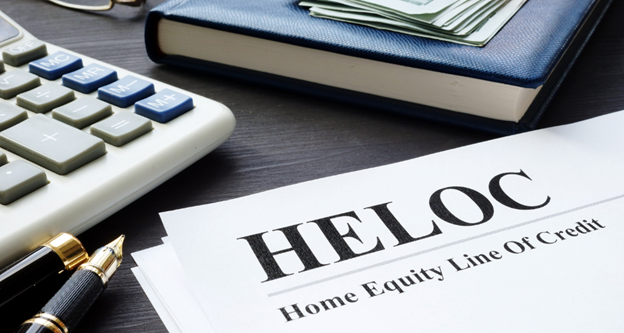 When homeowners need to tap into the equity they’ve built in their homes, two popular options are Home Equity Loans (HEL) and Home Equity Lines of Credit (HELOC). Both types of loans allow homeowners to access funds for various purposes, such as home improvements, debt consolidation, or unexpected expenses. However, it’s essential to understand the differences between these two mortgage products to make an informed decision that aligns with your specific needs and financial goals. Here are some important differences between the two.
 Last week’s economic reporting included readings on the Fed’s interest rate decision, S&P Case-Shiller’s Home Price Indices, sales of new homes, and pending home sales. Weekly readings on mortgage rates and jobless claims were also released.
 Purchasing a home is one of the most significant financial decisions many individuals make in their lifetime. It involves a substantial investment of money and requires careful consideration to ensure long-term financial stability. To navigate the complexities of the home-buying process, it’s essential to be well-informed about the various financial considerations involved. In this blog post, we will explore key factors to consider when buying a home to help you make informed decisions and achieve financial success.