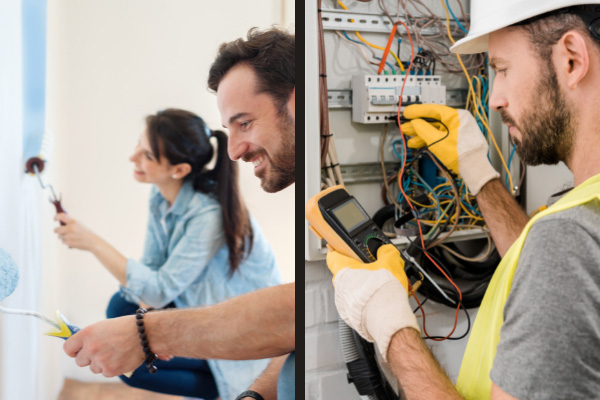
 There are many do-it-yourself (DIY) home improvement projects that can be completed on a budget and still have a significant impact. Enhancing the appearance and functionality of your home doesn’t have to be costly or time-consuming.
New Light Fixtures
One simple and affordable way to update your home is by replacing old or outdated light fixtures. New light fixtures can give your home a fresh, modern look and can also help to improve the overall lighting in your living spaces. There is a wide variety of styles and price points to choose from, so you can find a light fixture that suits your tastes and budget. Keep in mind that working with electricity can be dangerous, so be sure to turn off the power before attempting any DIY electrical work.
New Cabinet Handles
Upgrading the hardware on your kitchen and bathroom cabinets can make a surprising difference in the overall appearance of these spaces. Replacing old, worn-out handles with new ones can give your cabinets a fresh, updated look. Cabinet handles come in a range of styles, materials, and prices, so you can easily find options that complement your home’s decor and fit within your budget.
New Faucets for Tubs and Showers
Another affordable DIY home improvement project is updating the faucets on your tubs and showers. Over time, faucets can become corroded or develop leaks, which can lead to wasted water and higher utility bills. Installing new faucets can improve the functionality of your plumbing fixtures and give your bathroom a more polished appearance. Be sure to research the proper installation techniques and gather the necessary tools before attempting this project.
A Fresh Coat of Paint
One of the most cost-effective ways to transform the look of your home is by applying a fresh coat of paint. A new paint color can completely change the atmosphere of a room and can help to cover up any scuffs, scratches, or stains on your walls. Painting a room is a relatively simple DIY project that requires only a few basic tools and supplies, such as paint, brushes, rollers, and painter’s tape.
Wrapping Up Your DIY Home Improvements
As you can see, there are several affordable DIY home improvements that can have a significant impact on the appearance and functionality of your living spaces. By tackling projects like installing new light fixtures, updating cabinet handles, replacing faucets, and applying a fresh coat of paint, you can refresh your home without spending a fortune. With a little creativity and effort, you can transform your home on a budget and enjoy the satisfaction of completing these projects yourself.
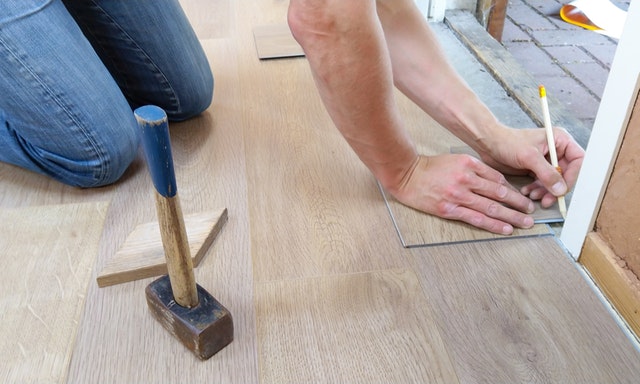 If you are looking for a way to save money on the purchase of your next home, you might be thinking about buying a property that requires repairs. Keep in mind that you will not be able to move into this property right away, so is it the best option? You could open the door to unique financing options that could make it easier for you to purchase your next property.
 Last week’s economic reporting included readings on home prices, sales of new homes, and pending home sales. Monthly and year-over-year readings for inflation were published along with weekly reports on mortgage rates and jobless claims.
 In the realm of real estate, market conditions can differ significantly due to a variety of factors. One such state is known as a seller’s market, which typically benefits those wanting to sell their property. Let’s dive into what makes a seller’s market advantageous for homeowners looking to offload their house and why it’s an attractive option for buyers too.
 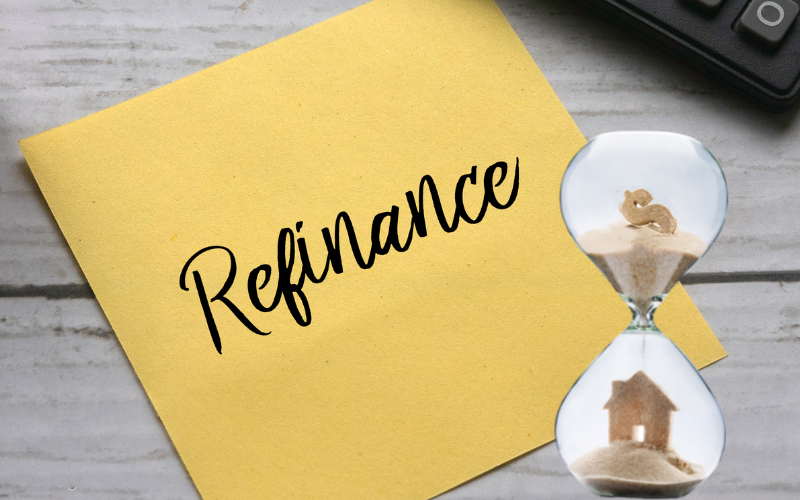 Are you interested in refinancing your mortgage? There are a variety of reasons why you might want to refinance your home loan. For example, you might want to secure a lower interest rate, or you may want to reduce your monthly payment. You might even want to tap into the equity you have in your home for some quick cash. There are different loan options available, so you need to think carefully about which one is best for your needs.
  How to Get Rid of PMI?
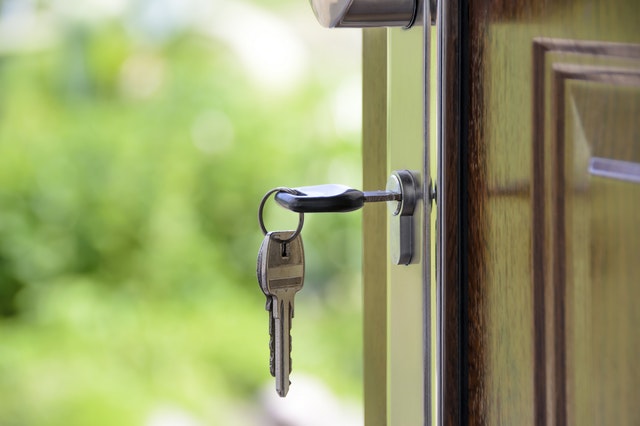 Buying a home is an exciting and exhilarating time. Between the time your offer is accepted, and when you finally have keys in hand and you are ready to step into your new home, it can be stressful. The escrow period, also known as the closing, can take the most easygoing home buyer to the brink of insanity.
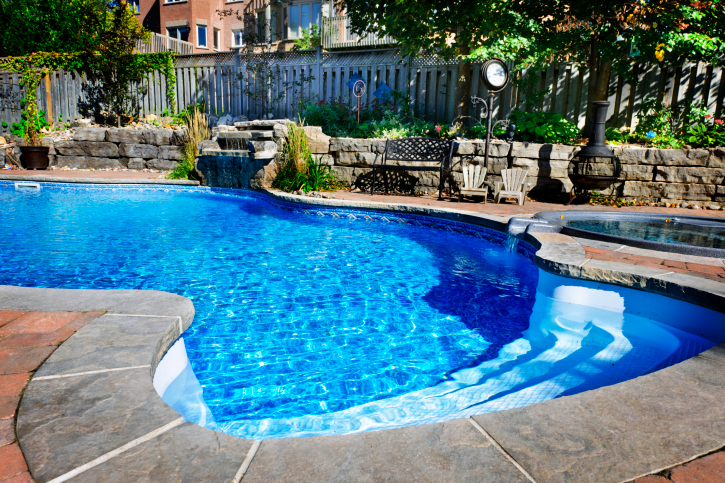 With the weather beginning to warm up outside, you might be thinking about installing a pool on your property. This is a great way to relax, entertain friends, and get some exercise; however, a pool can cost tens of thousands of dollars. What happens if you don’t have enough money? There are several options available.
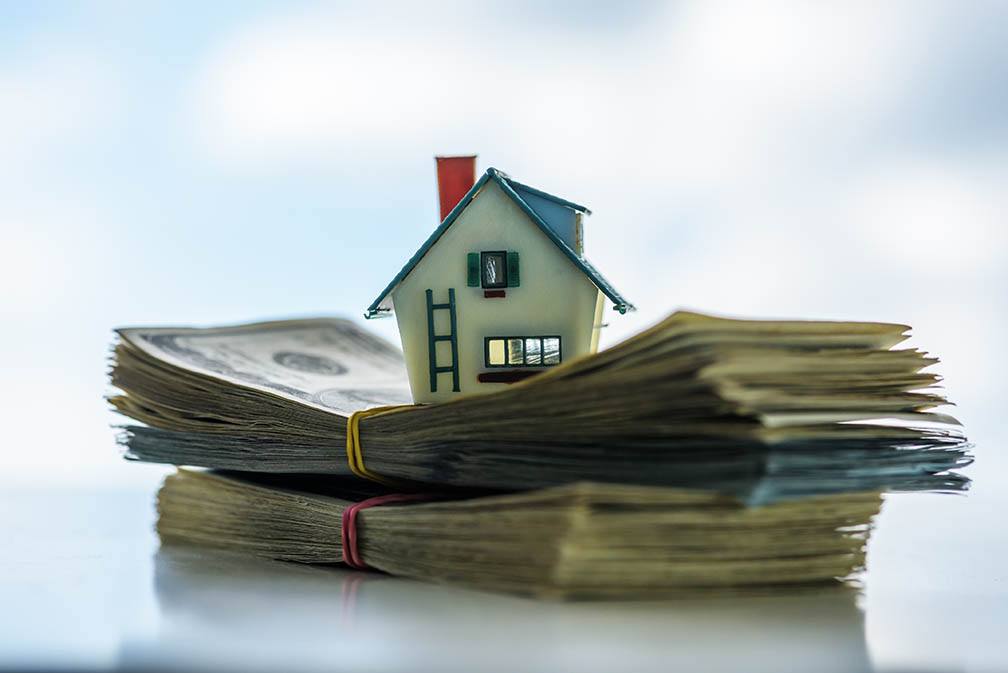 Owning a home can be an exciting and rewarding experience, but it’s important to be aware of the expenses that come with homeownership. Understanding these costs can help you prepare for and manage them effectively, ensuring a smoother transition into your new home.