 Last week’s economic reporting included readings from S&P Case-Shiller home price indices, data on pending home sales, and weekly readings on mortgage rates and jobless claims.
S&P Case-Shiller: December Home Price Growth Slows in 20-City Index
Home price growth slowed in December according to S&P Case-Shiller’s 20-City Home Price Index. Home prices rose by 4.60 percent year-over-year as compared to November’s year-over-year home price growth rate of 6.80 percent. The top three cities for home price growth in the 20-City Index were Miami, Florida, Tampa, Florida, and Atlanta, Georgia.
Former leading cities for home price growth have fallen to the bottom of the 20-Cities Home Price Index. Year-over-year home prices fell by -4.20 percent in San Francisco, California, and were – 1.80 percent lower in Seattle, Washington. The slowest pace of home price growth was reported in Portland, Oregon with a year-over-year home price growth rate of + 1.10 percent.
In related news, the Commerce Department reported construction spending rose by 5.70 percent year-over-year in January. Although analysts expected month-to-month construction spending to rise by 0.30 percent in January, spending fell by -0.10 percent as compared to December’s positive reading of 0.70 percent growth in month-to-month construction spending.
Mortgage Rates, Jobless Claims
Freddie Mac reported higher average mortgage rates last week as the rate for 30-year fixed-rate mortgages rose by 15 basis points to 6.65 percent. Rates for 15-year fixed-rate mortgages rose by 13 basis points on average. Initial jobless claims fell below 200,000 first-time jobless claims for the seventh consecutive week with a reading of 190,000 first-time claims filed as compared to the expected reading of 197,000 initial claims filed and the previous week’s revised reading of 192,000 claims filed.
What’s Ahead
This week’s scheduled economic reporting includes readings on job growth, national unemployment, and weekly readings on mortgage rates and jobless claims. Several Federal Reserve officials are scheduled to testify before House and Senate committees next week. Fed Chair Jerome Powell will attend and will also testify.
 Several generations ago, lenders required home buyers to have a 20 percent down payment in order to get a mortgage. While there were a few options out there for people who couldn’t save this substantial amount, the reality was that for the majority of people, the 20 percent down was a requirement.
 Home price growth slowed in December according to the S&P Case-Shiller 20-City Home Price Index. Year-over-year home prices rose by 4.6 percent in December as compared to November’s reading of 6.8 percent growth. Rising mortgage rates caused home prices to dip as potential buyers delayed home purchases and demand for homes fell.
 If you are thinking about building your own home, you might be wondering how construction loans work. There are plenty of options available, but one of the most popular choices is a single-close construction loan. This type of loan allows you to close on not only the construction expenses but also your financing costs at the same time. Essentially, a single-close construction loan will convert into your mortgage after the construction on your home is finished. What are some of the top benefits of this type of loan?

 The major problem that the vast majority of buyers will run into – especially when purchasing their first home – has to do with a lease agreement that is still active with their apartment complex at the time of the purchase. If you locate the perfect home in February but your lease isn’t over until August, you can’t be expected to wait around.
 Last week’s economic reporting included readings on sales of previously-owned homes, the minutes of the Federal Reserve’s most recent Federal Open Market Committee meeting, and weekly readings on average mortgage rates and jobless claims.
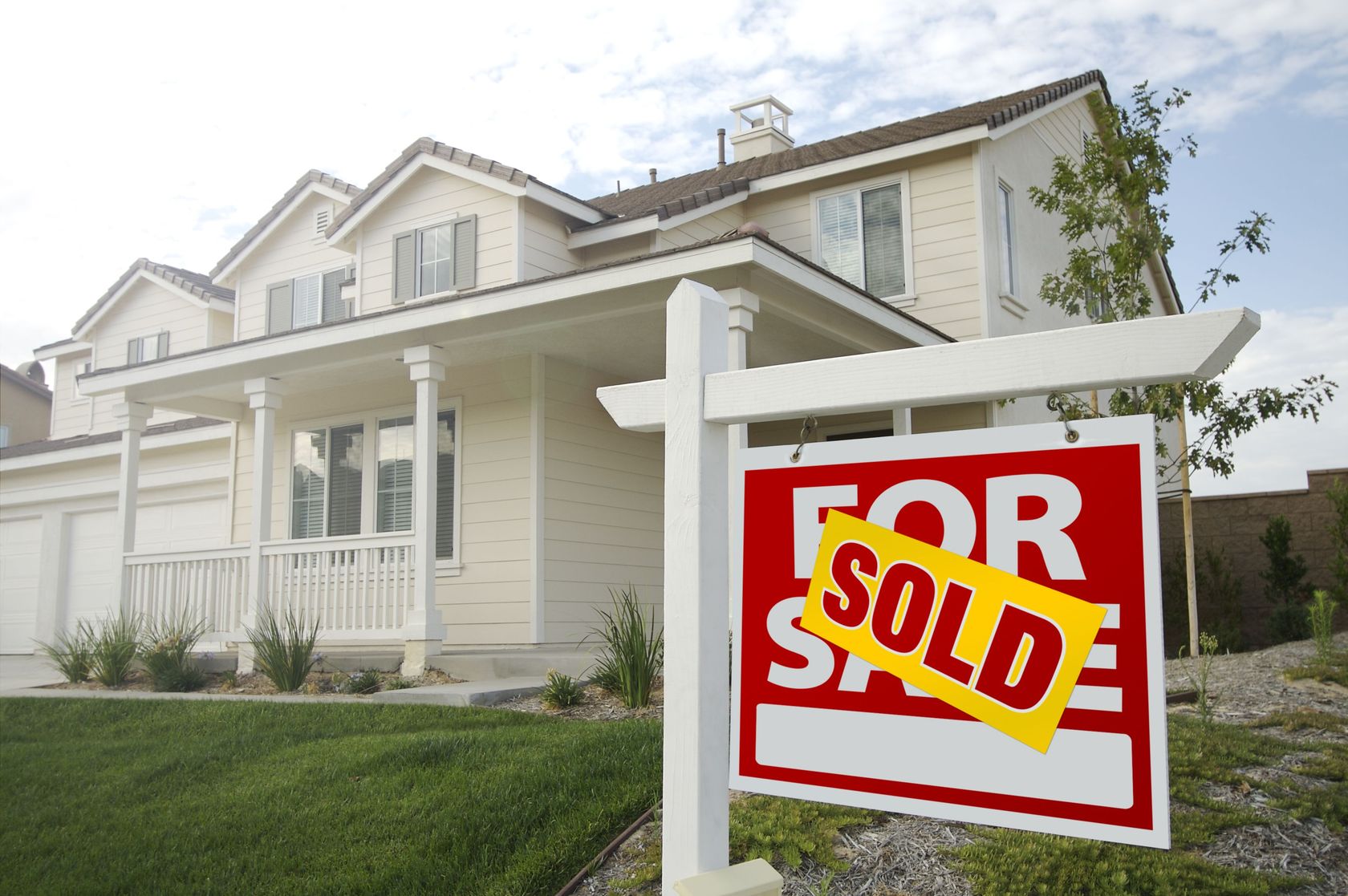 Buying a house can be expensive, and it can take a long time to save up money for a down payment; however, it might be time for you to stop renting and buy your own place. What are some of the top reasons why it might be time to put down some roots?
 When you are purchasing a home, your lender may recommend you obtain a mortgage pre-approval before you find the home of your dreams. There are some benefits to being pre-approved before you find a home, but oftentimes, people confuse pre-qualifications with pre-approvals.
 Do you want to purchase a house? If you cannot pay cash for your house, you will need to apply for a mortgage. A mortgage loan originator can help you find the right mortgage to meet your needs. What are some of the job duties of a mortgage loan originator, and how can they help you with the financing process?
