
Percentage Sign Locked With Keypad Lock On Wooden Desk
Understanding Mortgage Interest Rates and Fees: A Complete Guide
Buying a home is one of the most significant financial decisions you’ll make, and understanding mortgage interest rates and fees is crucial to securing the best deal. Even a small difference in rates or fees can impact the overall cost of your loan by thousands of dollars. In this guide, we break down everything you need to know to make informed decisions when shopping for a mortgage.
What Are Mortgage Interest Rates?
A mortgage interest rate is the percentage lenders charge for borrowing money to purchase a home. This rate determines how much you’ll pay in interest over the life of the loan.
Factors That Affect Your Mortgage Interest Rate
- Credit Score: Higher scores typically qualify for lower rates.
- Loan Term: Shorter loan terms (e.g., 15 years) often come with lower rates than longer terms (e.g., 30 years).
- Down Payment: A larger down payment can reduce your rate by lowering lender risk.
- Debt-to-Income Ratio (DTI): Lenders assess your income vs. debt obligations to determine risk.
- Market Conditions: Economic factors like inflation and Federal Reserve policies impact rates.
Fixed vs. Adjustable-Rate Mortgages
- Fixed-Rate Mortgage: Your interest rate remains the same for the entire loan term, providing stability and predictable payments.
- Adjustable-Rate Mortgage (ARM): The rate changes periodically, usually after an initial fixed period, which may result in lower initial payments but potential rate hikes later.
Understanding Mortgage Fees
Beyond interest rates, borrowers must also consider various mortgage fees that affect the total cost of a loan.
Common Mortgage Fees
- Origination Fee: Charged by lenders to process the loan, typically 0.5% to 1% of the loan amount.
- Discount Points: Optional fees paid upfront to lower the interest rate; one point typically equals 1% of the loan amount.
- Appraisal Fee: Covers the cost of a professional home appraisal, ranging from $300 to $700.
- Underwriting & Processing Fees: Charged by lenders for reviewing and approving your loan application.
- Title Insurance & Search Fees: Protects against ownership disputes and ensures a clear title transfer.
- Closing Costs: Encompasses multiple fees, usually 2% to 5% of the home’s purchase price.
How to Reduce Mortgage Fees
- Shop Around: Compare offers from multiple lenders to negotiate lower fees.
- Ask for a Loan Estimate: Lenders must provide a breakdown of fees in a Loan Estimate form.
- Negotiate With the Seller: In some cases, sellers may agree to cover part of the closing costs.
How to Get the Best Mortgage Interest Rate
1. Improve Your Credit Score
A higher credit score qualifies you for lower interest rates. Pay bills on time, reduce debt, and avoid opening new credit lines before applying for a mortgage.
2. Read Reviews and Seek Personal Referrals
Customer service is a crucial aspect of choosing a mortgage lender. Read online reviews on multiple platforms such as Google, Yelp, and the Better Business Bureau to understand other borrowers’ experiences. Personal referrals from friends, family, or real estate professionals can also provide valuable insight into lenders with a strong track record of excellent service.
Final Thoughts
Understanding mortgage interest rates and fees can save you thousands over the life of your loan. By improving your credit score, reading lender reviews, and carefully evaluating loan fees, you can make a smart and informed home financing decision.
🔹 Need expert guidance? Contact us today to get personalized mortgage advice and explore the best loan options for your needs!
📞 Call: 612-701-8512 🌐 Visit: Bay Equity Home Loans – Coleen TeBockhorst 📖 Read More: Mortgage Tips & Guides
 The PCE Index has aligned with expectations, and as the Federal Reserve’s preferred measure of inflation, it eases the sense of urgency for policy action. GDP data has also indicated continued economic growth, though this is tempered by future forecasts predicting a potential economic contraction. This outlook is further reflected in the Consumer Confidence report, which has shown a significant decline since the change in administration. Uncertainty is evident across lending and broader markets, affecting all aspects of the economy.
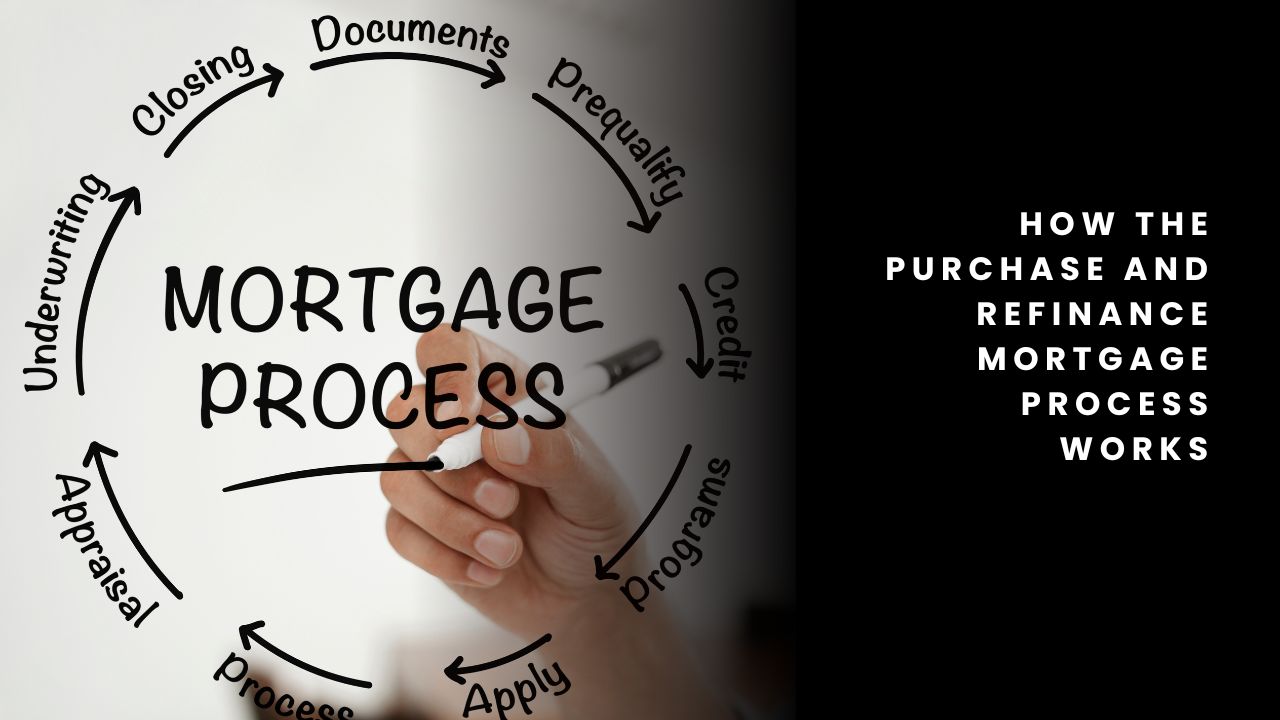 When it comes to home financing, purchasing and refinancing a mortgage share similarities but serve distinct purposes. Understanding how each process works can help you make informed decisions about homeownership and financial planning.
 A home appraisal is a critical step in the buying, selling, or refinancing process, yet many people don’t fully understand how it works or what factors influence it. Whether you’re a buyer, seller, or homeowner looking to refinance, here are some key details about home appraisals that you might not know.
 For homeowners looking to build wealth, a home equity loan can be a powerful financial tool. With the equity in your home, you can access funds at relatively low interest rates and put that money to work in smart, strategic ways. If you’re wondering how to leverage your home’s value for investment, here are some creative options to consider.
 A mortgage escrow account is a financial tool used by lenders to manage and disburse payments for property-related expenses, like property taxes and homeowners insurance. Rather than paying these expenses separately, a portion of your monthly mortgage payment is set aside in the escrow account. When taxes or insurance premiums are due, the lender pays them on your behalf.
 The most impactful report released last week was the regular Consumer Sentiment reports, which have indicated the more recent concerns rising food costs have soured the view on the current state of the economy for the U.S. The talks between the Federal Reserve members have also slanted in a negative direction as they feel they still do not have a strong grip on inflation. With the Trump administration also shaking things up in the office with their views on Tariffs, the land lending and broader markets have seen a lot of turmoil and uncertainty about the future. There should be dampened expectations going forward across all markets.
 When buying a home, one of the most critical factors is determining how much you can borrow through a mortgage. Lenders evaluate multiple financial aspects to assess your borrowing capacity. Here’s what they consider:
 Deciding to finance a new home can be exciting, and because of that buyers tend to want to jump right in. Not so fast! Before you start searching for your dream home, you need to get pre-approved and that means applying for a loan. You will need to get things in order by deciding how much home you can afford, mapping out your expenses, gathering all of your documents and then start looking for a lender that can help you decide what loan is best for you.
 Paying your income taxes each year leaves your wallet a bit thin? There may be money hiding in your home that lessens your tax burden. Here are four places to look: