
Leading off with the FOMC Minutes, the Federal Reserve has stated once again they will maintain a “gradual” approach to cutting interest rates, which has aligned with their goals of meeting their target 2% inflation goal. The PCE Index release numbers, the Federal Reserve’s preferred inflation indicator, have shown everything is within expectations. So while the rate cuts may be a gradual process, there is much optimism that they are coming. Following those reports were the Personal Income Spending, GDP Estimates, and Consumer Confidence pending the holidays. Both the Persona Income and Spending have shown very strong results ahead of the holidays with the income beating expectations. This is met by extremely strong confidence coming from consumers as we see a 16-month high. This is finally corroborated by the GDP revisions which have shown the economy has shown steady growth for the entirety of the year.
PCE Index
The rate of inflation rose in October and moved further away from the Federal Reserve’s 2% goal, confirming a recent uptick in prices that could cajole the central bank into cutting interest rates less aggressively. The Federal Reserve’s preferred personal-consumption expenditures price index climbed 0.2% last month for the second month in a row, the government reported Wednesday.
Consumer Confidence
Consumer confidence reached a 16-month high in November, as Americans grew more optimistic about 2025. This optimism was fueled by rising stock prices, easing inflation, and a strong U.S. job market. The Conference Board reported on Tuesday that its consumer confidence index increased to 111.7 in November, up from a revised 109.6 in October, marking its highest level since mid-2023.
Personal Income/Spending
Consumer spending grew at a solid pace in October, driving a U.S. economic expansion that shows no signs of slowing as 2024 comes to a close. According to government data, household spending increased by 0.4% last month, while personal income rose by 0.6%, aligning with Wall Street expectations. Additionally, spending in September was significantly stronger than originally reported.
GDP Estimates
The U.S. economy grew at an annual rate of 2.8% in the third quarter, according to revised figures, suggesting it entered the crucial holiday shopping season with strong momentum.
Primary Mortgage Market Survey Index
• 15-Yr FRM rates saw an increase of 0.08% with the current rate at 6.10%
• 30-Yr FRM rates saw a decrease of -0.03% with the current rate at 6.81%
MND Rate Index
• 30-Yr FHA rates saw a decrease of -0.23% for this week. Current rates at 6.22%
• 30-Yr VA rates saw a decrease of -0.23% for this week. Current rates at 6.24%
Jobless Claims
Initial Claims were reported to be 213,000 compared to the expected claims of 220,000. The prior week landed at 217,000.
What’s Ahead
The schedule is fairly packed, featuring key reports such as the Final Manufacturing PMI, which will reflect the year’s production performance, along with non-farm payrolls, hourly earnings, the unemployment rate, consumer credit data, and the year-end Consumer Sentiment report from the University of Michigan.
 As we move into the last month of 2024, many potential homebuyers are eagerly awaiting a drop in mortgage rates. With inflation numbers looking promising, there’s hope that the Federal Reserve will lower the federal funds rate, which typically drives mortgage rates down as well. If you’re planning to buy a home or refinance when rates drop, now is the perfect time to start preparing. Here are five key steps to get ready for the mortgage rate decrease and ensure you’re in the best possible position:
 As we gather with family and friends this Thanksgiving, I want to take a moment to express my gratitude to all of my past and potential clients. In this season of reflection, I’m reminded of how thankful I am for the trust and confidence that clients place in me throughout the homebuying journey.
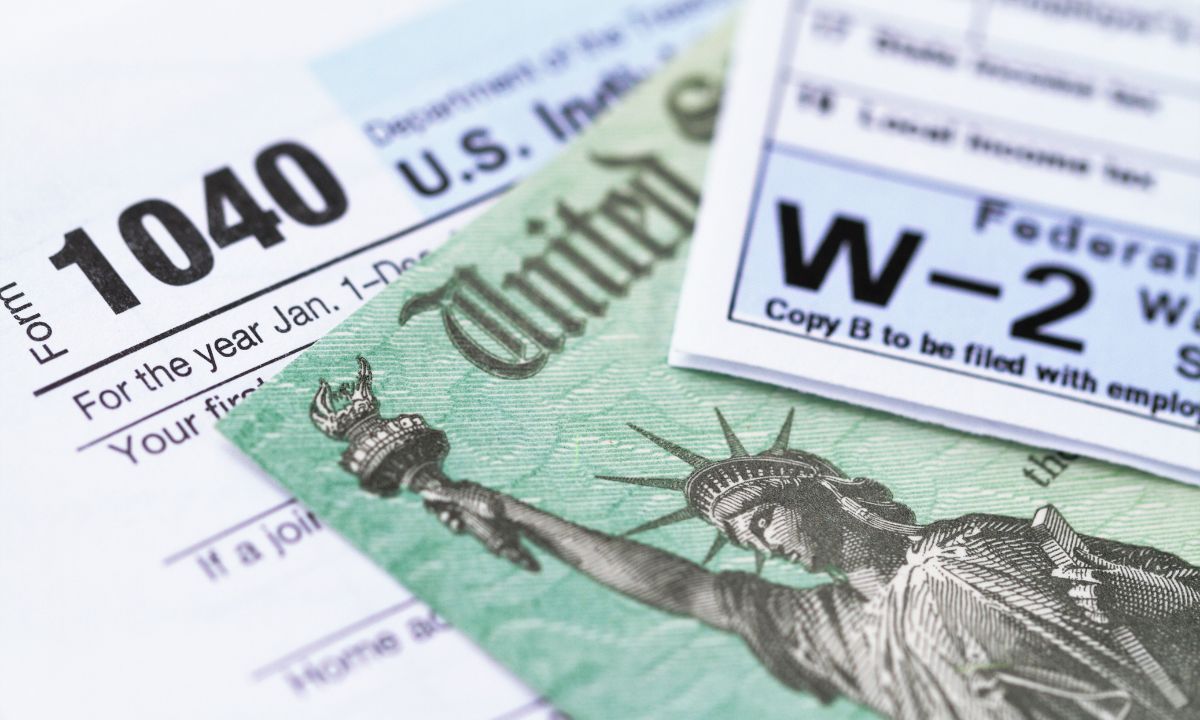 When you are preparing to buy a home, tax season should be on your radar as it plays a significant role in your mortgage application process. Whether you’re a first-time homebuyer or a seasoned investor, how you file your taxes can have a direct impact on the mortgage you qualify for. Understanding this connection can help streamline the process and potentially save you money on your loan.
 If you’re self-employed or have an income that doesn’t fit traditional molds, securing financing for a home renovation or debt consolidation can seem daunting. However, bank statement second mortgages are designed to provide a viable solution for homeowners who don’t rely on conventional pay stubs, W-2 forms, or tax returns. Let’s break down how these unique loans work and how they can benefit self-employed individuals.
 Owning a home is a rewarding milestone that symbolizes stability and personal achievement. It also comes with its fair share of challenges and responsibilities. Maintenance, emergencies, and long-term property planning require having the right professionals in your network to ensure a smooth homeownership experience. Here are the key individuals every homeowner should connect with early on.
 Owning a home is huge and one of the most valuable investments many of us will ever make. Like any valuable asset, your home requires care and upkeep to ensure it stays in great condition, retains value, and remains a safe, comfortable haven.
  When you’re preparing to buy a home, choosing the right mortgage is one of the most important decisions you’ll make. With so many options available, it can be challenging to know which type best suits your needs. Each mortgage type comes with unique advantages and understanding them can help you achieve your homeownership goals in a financially sustainable way. Below, we outlined the five of the most common mortgage types and how they differ.
 As remote work continues to progress, having a well-designed home office is more than just a luxury, it has become a necessity. A thoughtfully created workspace can increase productivity, boost creativity, and promote overall well-being. As a mortgage originator, I’ve seen how creating a productive environment impacts work-from-home efficiency and comfort. Whether you’re setting up a corner nook or dedicating an entire room, here are six practical ideas to transform your home office into an ideal place to get things done.