 Closing day is an exciting milestone. You have signed the paperwork, received the keys, and officially become a homeowner. While it may feel like the mortgage process is complete, there are still a few important things to understand about what happens after closing. Knowing what to expect can help you manage your mortgage with confidence and avoid unnecessary surprises during your first year of homeownership.
Your Loan May Be Transferred
Many homeowners are surprised to receive a letter stating that their mortgage has been transferred to a new loan servicer. This is a common practice in the mortgage industry and usually does not change the terms of your loan. Your interest rate, monthly payment, and loan balance remain the same. The primary difference is where you send your monthly payments and who you contact if you have questions about your account.
Your First Mortgage Payment
Your first mortgage payment is not always due immediately after closing. Depending on your closing date, your first payment may not be due until the following month or later. Your mortgage professional will explain your payment schedule before closing so you know exactly when your first payment is expected.
Keep Your Closing Documents
After closing, place your important documents in a safe location. Your closing disclosure, promissory note, deed, and other paperwork contain valuable information that you may need in the future. These documents can be helpful if you decide to refinance, sell your home, or simply have questions about your loan.
Watch Your Escrow Account
If your mortgage includes an escrow account, a portion of each monthly payment will be used to pay your property taxes and homeowners insurance. Your loan servicer will review this account each year and may adjust your monthly payment if taxes or insurance premiums increase or decrease. Reviewing these statements helps you understand any changes to your payment.
Stay in Touch With Your Mortgage Professional
Your mortgage professional remains a valuable resource even after closing. Whether you have questions about refinancing, removing mortgage insurance, or planning for your next home purchase, they can help you understand your options and make informed financial decisions.
Closing on your home is not the end of the journey. It is the beginning of homeownership. By understanding what happens after closing and staying informed about your mortgage, you can feel confident managing one of your most important financial investments for years to come.
 Shopping for a mortgage is one of the smartest things you can do when buying a home, yet many buyers hesitate because they believe multiple credit checks will seriously damage their credit score. Fortunately, that is one of the biggest misconceptions about the mortgage process. Understanding how credit inquiries work can help you shop with confidence and potentially save thousands of dollars over the life of your loan.
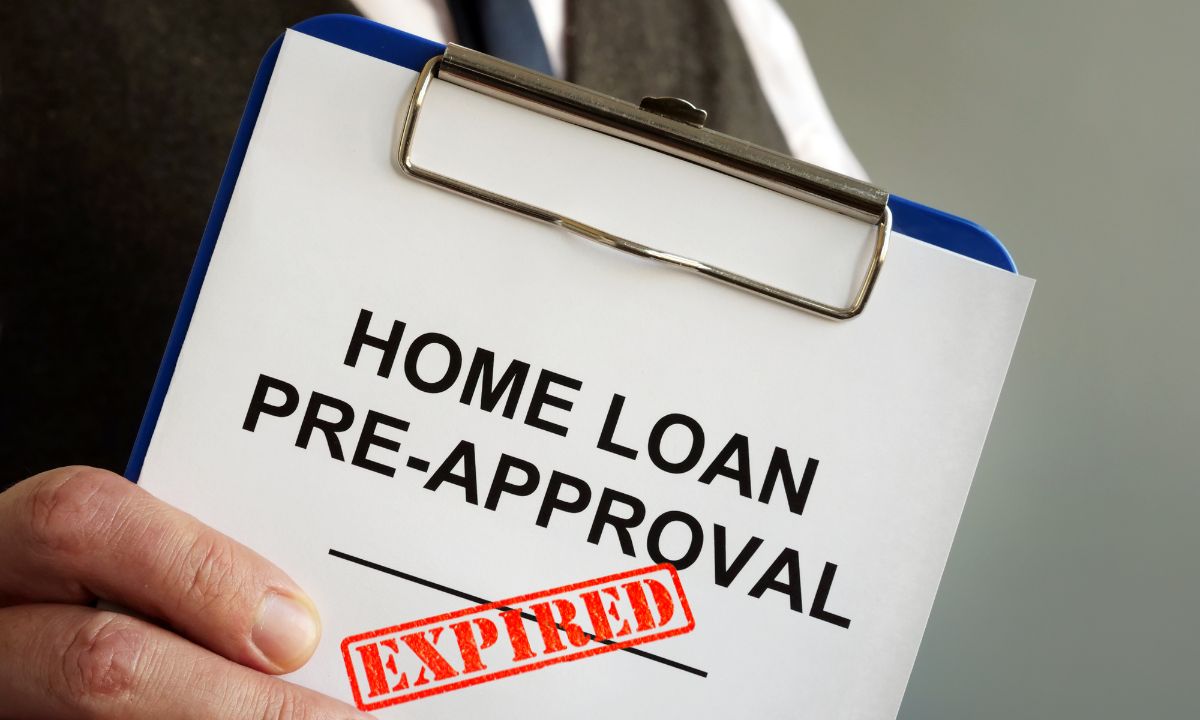 A mortgage pre-approval is one of the most valuable tools in your homebuying journey. It’s not just a letter stating how much you’re qualified to borrow; it’s a written commitment from your lender that assures sellers you have the financial backing to make a competitive offer.
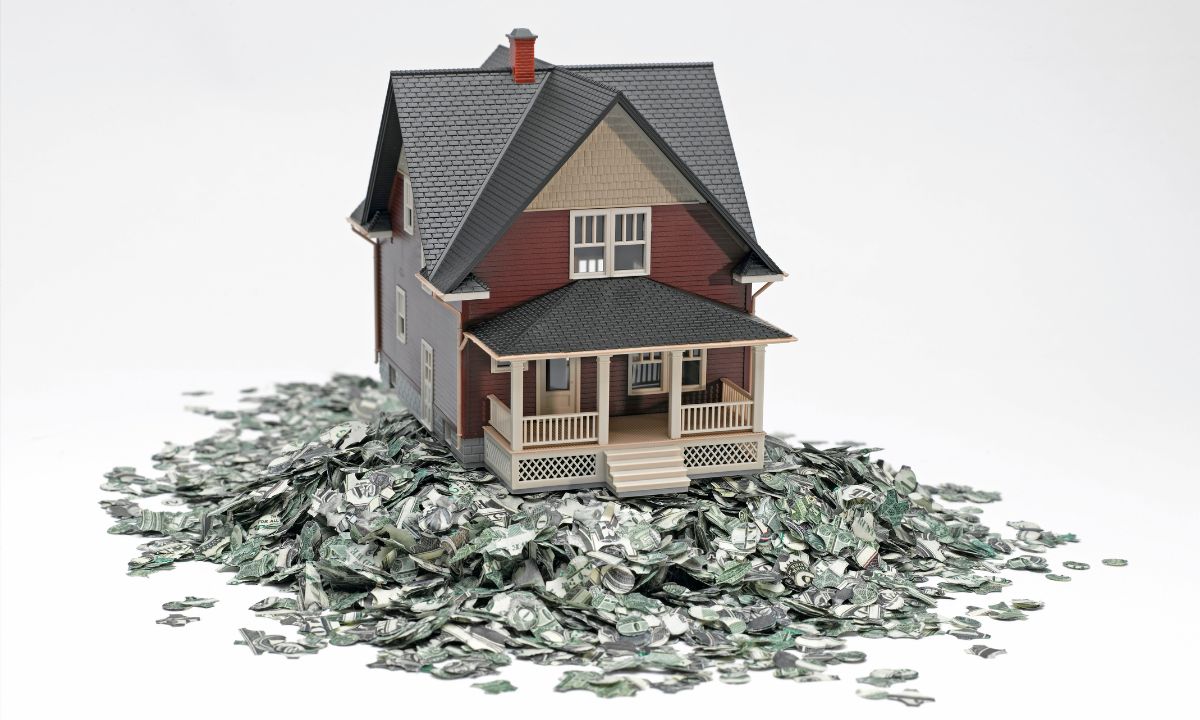 If you’ve received your Closing Disclosure from your lender, congratulations! You’re almost at the finish line of your home buying journey, ready to celebrate with keys in hand. The Closing Disclosure, or CD, is provided at least three business days before your closing appointment and details your loan terms, projected monthly payments, and the much-discussed “cash to close.” But what exactly is “cash to close,” and how is it calculated?
 When you’re in the final stages of buying a new home, it’s easy to assume that everything will go smoothly from here on out. However, one of the most common obstacles that can arise in this final stage of the process is title issues. If not addressed, these can delay your closing or even derail the sale.
  In the world of home financing, mortgage points are a powerful yet often misunderstood tool that can significantly impact your long-term financial outlook. Whether you’re purchasing a home or refinancing, understanding how these points work can help you make more informed decisions that align with your financial goals.
 Many people believe that earning a higher income automatically makes buying a home easier. While income certainly plays an important role, it is only part of the equation. How you manage the money you earn can have an even greater impact on your ability to qualify for a mortgage and comfortably afford homeownership. Developing healthy spending habits before you begin your home search can put you in a much stronger financial position.
 Buying a home is an exciting milestone, but your financial planning should not stop once you receive the keys. While it is tempting to put every available dollar toward your down payment or decorating your new space, maintaining an emergency savings fund is one of the smartest decisions you can make. Having money set aside for unexpected expenses can help you enjoy homeownership with greater confidence and less financial stress.