 Buying a home involves several important steps, and one of the most significant is the appraisal. While buyers often focus on inspections, financing, and closing dates, the appraisal plays a key role in the mortgage process. Understanding what happens during an appraisal and why it matters can help you feel more confident as you move toward homeownership.
What Is a Home Appraisal?
A home appraisal is an independent professional opinion of a property’s market value. Your lender orders the appraisal to help confirm that the home’s value supports the amount being borrowed. The appraiser is a neutral third party whose job is to evaluate the property’s condition, features, location, and recent sales of similar homes in the area.
What the Appraiser Looks For
During the visit, the appraiser evaluates both the interior and exterior of the home. They consider the home’s size, floor plan, condition, upgrades, lot size, and overall appeal. They also compare the property to recently sold homes with similar characteristics to determine a fair market value.
What Happens After the Appraisal?
Once the appraisal is complete, the lender reviews the report. If the appraised value meets or exceeds the purchase price, the loan process usually continues as planned. If the appraisal comes in lower than the agreed purchase price, your real estate agent and mortgage professional will discuss the available options. Depending on the situation, the buyer and seller may renegotiate the price, the buyer may choose to contribute additional funds, or other solutions may be explored.
Why the Appraisal Protects Everyone
Although buyers sometimes worry about the appraisal, it serves an important purpose. It helps ensure that both the buyer and lender are making a sound financial investment based on the property’s market value. This added layer of protection benefits everyone involved in the transaction.
An appraisal is not simply another item to check off your closing checklist. It is an important step that helps confirm the value of one of the biggest investments you will ever make. Understanding how the process works allows you to move through your home purchase with greater confidence and fewer surprises.
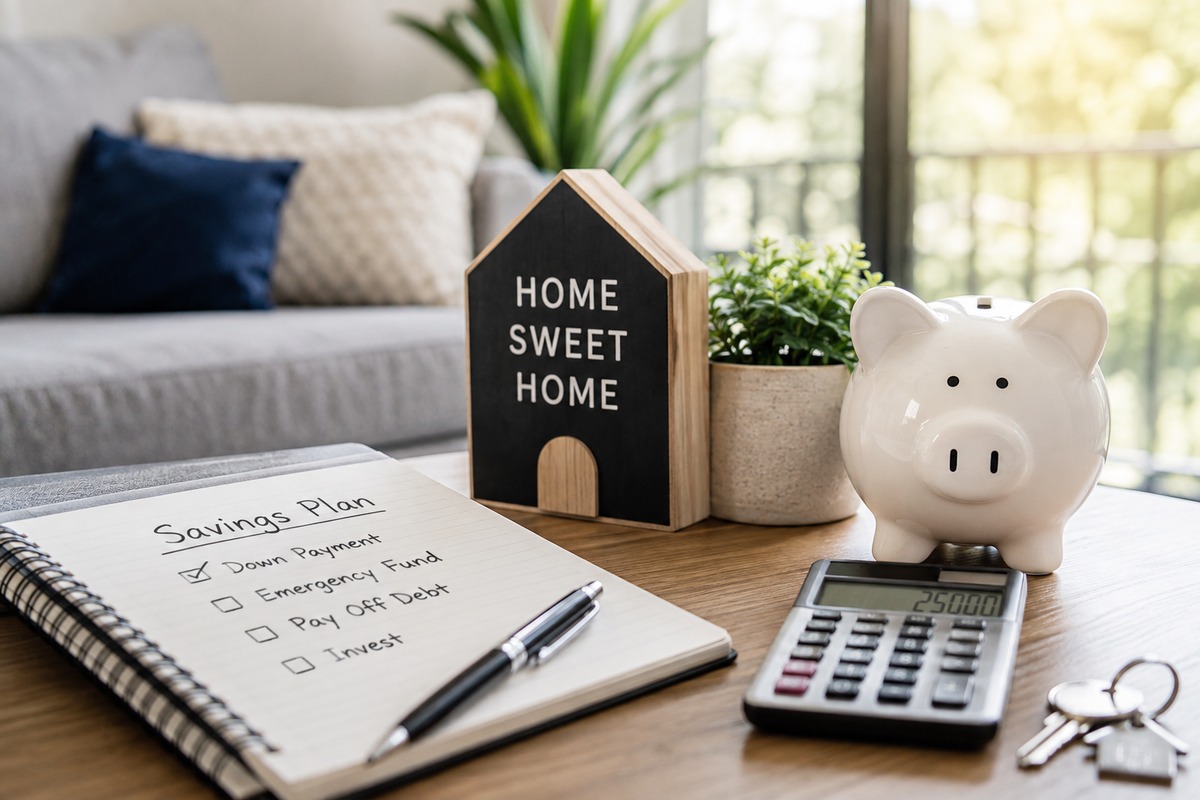 Saving for a home down payment can feel like one of the biggest hurdles on the path to homeownership. But with the right plan, it’s a goal that’s absolutely achievable.
 Owning a home brings many rewards, but it also comes with financial responsibilities that renters often do not experience. While routine maintenance can usually be planned, unexpected repairs such as a new roof, broken water heater, HVAC replacement, or plumbing emergency can happen without warning. Preparing for these expenses before they arise can help protect both your home and your financial well-being.
 Your mortgage is one of the largest financial commitments you will ever make, yet many homeowners rarely review it after closing. Just as annual physicals help you stay healthy, an annual mortgage checkup can help ensure your loan, insurance, taxes, and financial goals remain aligned. Spending a few minutes reviewing your mortgage each year can uncover opportunities to save money and avoid costly surprises.
 Buying a home comes with a significant amount of paperwork, and once the excitement of closing day has passed, it can be tempting to file everything away without another thought. However, keeping the right documents organized can save time, reduce stress, and protect your investment if questions or unexpected situations arise in the future.
 Buying a home is one of the biggest financial investments most people will ever make but protecting that investment is just as important. Homeowners insurance is often viewed as another monthly bill, yet the coverage you choose can have a significant impact on both your budget and your financial security. Understanding your options can help you balance affordability with the protection your home deserves.
 Many people believe they need a large down payment before they can buy a home. While making a larger down payment can have benefits, it is not the only path to homeownership. Today’s mortgage programs offer a variety of options that allow qualified buyers to purchase a home with much less money upfront than they may expect. Understanding these opportunities can help turn the dream of owning a home into a reality sooner than you think.
 Choosing the right mortgage involves more than finding the right home. One of the most important decisions during the loan process is whether to lock your interest rate. Many buyers wonder if they should secure today’s rate or wait to see if rates improve. The answer depends on several factors, including market conditions, your closing timeline, and your comfort level with uncertainty.